

Introduction
Patagonia is a remote and rugged region located at the southern tip of South America, shared by Argentina and Chile. It’s known for its dramatic landscapes, which include towering mountains, massive glaciers, windswept plains, and pristine lakes. In Argentina, Patagonia stretches from the Andes to the Atlantic Ocean, while in Chile, it spans from fjords and forests to the southern ice fields. The region is famous for natural landmarks like Torres del Paine National Park, Los Glaciares National Park, and the Perito Moreno Glacier.
- A Frozen Wilderness of Breathtaking Beauty
Patagonia in winter (June to August) offers a landscape unlike any other season. The dramatic peaks of the Andes are blanketed in snow, turquoise glacial lakes take on deeper hues, and frosty winds sculpt the land into a pristine, quiet wilderness. With fewer visitors, the region feels almost untouched—pure, silent, and majestic. The solitude enhances the visual impact, making this a photographer’s dream and a haven for travelers who value nature in its rawest form. - The Weather: Cold, Harsh, and Unpredictable
Winter in Patagonia is cold and often severe, especially in the southernmost areas. Temperatures can drop below freezing, particularly in higher altitudes and at night. Snowfall is common in the mountains and national parks, while the wind—infamous in Patagonia—can make it feel even colder. That said, some areas like the steppe regions in Argentine Patagonia remain dry and accessible. Weather conditions change quickly, so flexibility and preparation are essential for winter travel. - Fewer Tourists, More Intimate Experiences
One of the biggest advantages of visiting Patagonia in winter is the lack of crowds. During the summer months, popular destinations like Torres del Paine, El Calafate, and Bariloche attract thousands of tourists. In winter, many trails are nearly empty, and viewpoints that are normally crowded become peaceful observation points. This solitude allows for a deeper, more personal connection with the landscape—and sometimes, you’re the only one watching a glacier calve into a silent lake. - Winter Adventures: Glacier Hiking, Snowshoeing, and Skiing
While some activities are limited in winter, Patagonia still offers plenty of adventure. In Argentine Patagonia, you can trek across the famous Perito Moreno Glacier with crampons and a guide, or go snowshoeing in the forests around Ushuaia. Ski resorts in Bariloche and Cerro Castor (the southernmost ski resort in the world) attract winter sports enthusiasts. For those less inclined toward adrenaline, scenic drives and gentle walks offer stunning views with minimal effort. - Wildlife in Winter: Still Active, Still Wild
Though winter brings harsh conditions, much of Patagonia’s wildlife remains active. Guanacos and foxes can be spotted against snowy hills, while majestic Andean condors ride cold air currents. In Chilean Patagonia, some lucky travelers may glimpse pumas stalking across the snowy plains. Penguins and other seabirds inhabit coastal areas, particularly near Ushuaia and Punta Arenas. Winter offers excellent opportunities for wildlife photography with minimal disturbance from other visitors. - Iconic Parks: Torres del Paine and Los Glaciares in Winter
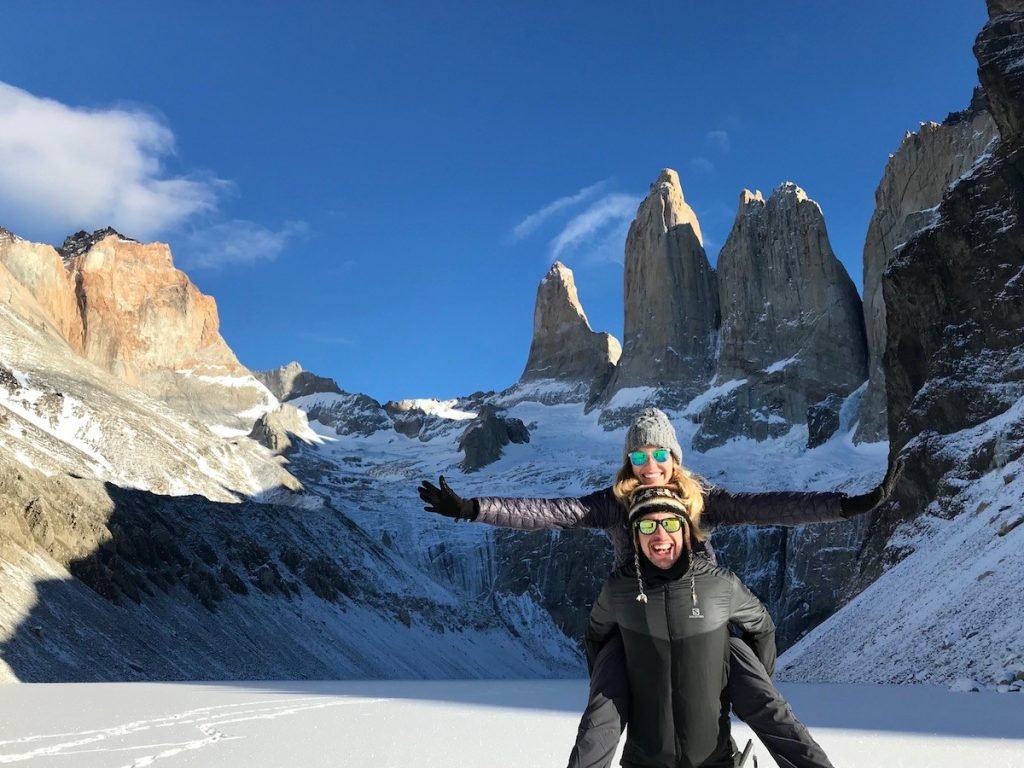
Torres del Paine National Park (Chile) and Los Glaciares National Park (Argentina) are the crown jewels of Patagonia—and both take on a haunting beauty in winter. While some trails and facilities close due to snow or safety concerns, both parks remain partially accessible with the right gear and guidance. The snow-dusted granite towers of Torres del Paine are even more dramatic in winter light, and the icy expanse of Perito Moreno Glacier is breathtaking under a low, golden sun. - Challenges and Planning: Not for the Unprepared
Traveling in winter requires careful planning. Many hotels, restaurants, and tour operators close or run on reduced schedules. Roads may be icy or impassable due to snow, especially in rural areas. Reliable gear—warm, waterproof clothing, proper boots, and winter driving preparation—is a must. It’s also wise to check weather forecasts frequently and build flexibility into your itinerary. Though more effort is required, the payoff is a richer, less-commercial experience. - Stunning Light and Sky: A Photographer’s Dream
One of winter’s overlooked treasures is the light. Days are shorter, but the low sun casts long shadows and golden hues across the landscape. Snow reflects this light beautifully, creating surreal contrasts between white peaks and deep blue lakes. At night, the skies are often crystal clear, especially in areas with minimal light pollution. In some southern regions, it’s even possible to glimpse the aurora australis—the southern lights—though sightings are rare and unpredictable. - Local Culture and Hospitality in Winter
In winter, Patagonian towns like El Chalten, Puerto Natales, and Ushuaia become quieter but still retain their charm. Local residents are welcoming, and winter offers a chance to experience authentic life in these remote communities. You can warm up with hearty meals like Patagonian lamb, king crab, or freshly baked empanadas, often enjoyed by a fireplace. Winter also brings regional festivals and a sense of togetherness among locals that many travelers find especially meaningful. - Why Winter Is Patagonia’s Best-Kept Secret
Most people visit Patagonia in the summer for easier access and warmer weather—but winter is when Patagonia truly reveals its soul. The combination of stark beauty, silence, and challenge makes for a travel experience that’s unforgettable and deeply moving. It’s not for everyone—conditions can be tough, and not all areas are open—but for those who make the journey, Patagonia in winter feels like discovering a secret world few others ever see.
Where to stay in Patagonia
Luxury Lodges & Boutique Hotels
- Awasi Patagonia (Chile)
Located near Torres del Paine National Park, Awasi Patagonia offers 14 private villas, each with its own guide and 4WD vehicle. This Relais & Châteaux property provides personalized itineraries, gourmet dining, and exceptional service, making it ideal for those seeking an exclusive experience in the heart of Patagonia. - Tierra Patagonia Hotel & Spa (Chile)
Situated on the edge of Torres del Paine, this eco-friendly hotel features a design that blends seamlessly with the surrounding landscape. Guests can enjoy spa treatments, guided excursions, and panoramic views of the park’s iconic peaks. - El Aura Lodge (Argentina)
Nestled within Los Alerces National Park, El Aura Lodge offers luxury accommodations with just five cabins, ensuring an intimate experience. The lodge is surrounded by ancient forests, pristine lakes, and offers activities like glacier hikes and wildlife spotting.
Glamping & Unique Stays
- OVO Patagonia (Argentina)
For a truly unique experience, OVO Patagonia offers transparent “egg-shaped” capsules suspended on cliffs, providing stunning views of the surrounding mountains. This innovative glamping option combines adventure with comfort, perfect for those seeking something out of the ordinary. - EcoCamp Patagonia (Chile)
Located in Torres del Paine, EcoCamp offers geodesic dome accommodations that blend into the environment. Guests can participate in guided hikes, wildlife watching, and enjoy the camp’s sustainable practices, making it a great choice for eco-conscious travelers.
Mid-Range & Budget-Friendly Options
- Hotel Hosteria El Chalten (Argentina)
Situated in the village of El Chalten, this hotel offers comfortable rooms with easy access to hiking trails. It’s an excellent base for exploring Mount Fitz Roy and Cerro Torre, popular destinations for trekkers. - Patagonia Camp (Chile)
Located near the southern entrance of Torres del Paine National Park, Patagonia Camp features luxurious Mongolian-style yurts with private bathrooms and central heating. The camp offers all-inclusive packages with guided tours and meals, providing a comfortable stay close to nature.
Traditional Estancias & Refugios
- Estancia Cristina (Argentina)
Accessible by boat or 4×4, Estancia Cristina is a historic sheep ranch located in Los Glaciares National Park. Guests can enjoy horseback riding, hiking, and visits to the Upsala Glacier, all while experiencing authentic Patagonian hospitality. - Refugio El Pilar (Argentina)
Located along the Laguna de los Tres trail in El Chaltén, Refugio El Pilar offers a rustic yet comfortable stay for hikers. It’s a great spot to rest before summiting Mount Fitz Roy and provides stunning views of the surrounding landscape
Things to do in Patagonia
- Hike in Torres del Paine National Park (Chile)
One of the most iconic trekking destinations in the world, Torres del Paine offers trails like the W Trek and the O Circuit, with stunning views of glaciers, lakes, and jagged peaks. Even day hikes to the base of the Torres are rewarding.
- Explore Perito Moreno Glacier (Argentina)
Located in Los Glaciares National Park, this massive glacier is one of the few still advancing. You can view it from walkways, take a boat tour, or go ice trekking right on the glacier’s surface.
- Visit Penguin Colonies
See Magellanic penguins at Punta Tombo (Argentina) or Isla Magdalena (Chile). From October to March, these colonies are bustling with activity and are accessible by guided tours or boat trips.
Day trip from Patagonia
From El Calafate (Argentina)
- Perito Moreno Glacier
- Distance: ~80 km (1.5 hours)
- Highlights: Walkways with panoramic glacier views, optional mini-trekking on the glacier, boat tours.
- Best For: Nature lovers, photographers, and adventure seekers.
- Lago Roca & Estancia Nibepo Aike
- Distance: ~60 km
- Highlights: Traditional Patagonian ranch, horseback riding, asado lunch, scenic views of Andes and Lake Roca.
- Best For: Cultural immersion and relaxing countryside experience.
From El Chalten (Argentina)
🥾 3. Laguna Capri Hike
- Distance: ~8 km round-trip
- Highlights: Spectacular views of Mount Fitz Roy, moderate trail, beautiful alpine lake.
- Best For: Half-day hikers and photographers.
- Laguna de los Tres (Full-day hike)
- Distance: ~20 km round-trip
- Highlights: Best view of Fitz Roy, scenic valleys and forests, challenging but doable in one day.
- Best For: Fit hikers and trekking enthusiasts.