
Introduction
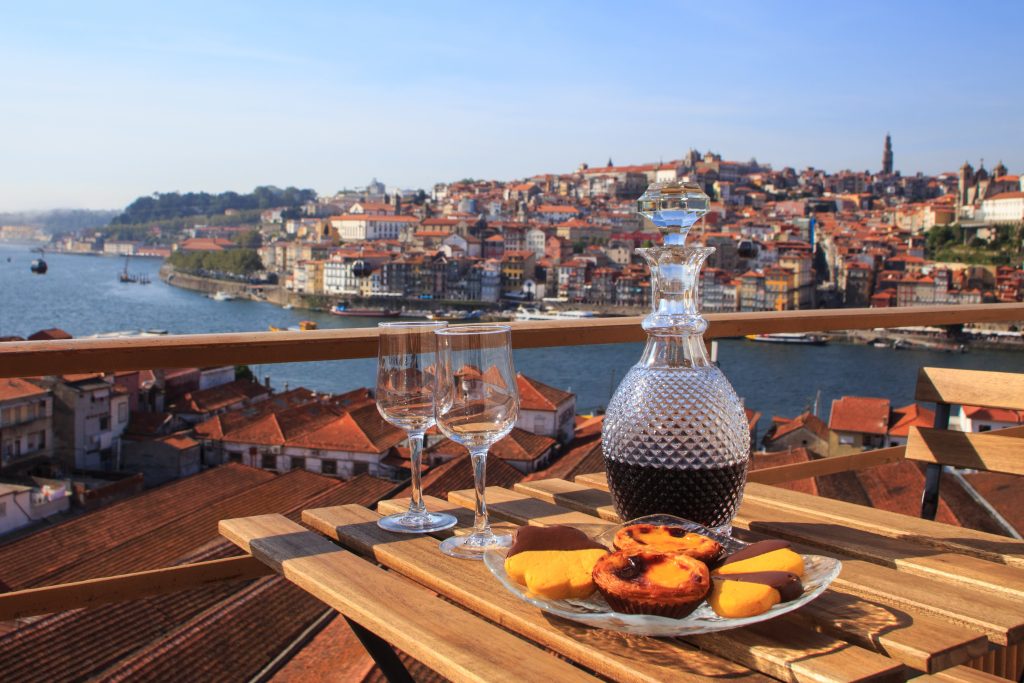
Portugal is a beautiful country located on the southwestern edge of Europe, occupying most of the western part of the Iberian Peninsula, bordered by Spain and the Atlantic Ocean. Known for its rich history, Portugal was once a powerful maritime empire during the Age of Discovery, exploring new trade routes and establishing colonies across Africa, Asia, and South America.Today, Portugal is famous for its stunning landscapes, from golden beaches and rugged cliffs along the Algarve coast to rolling vineyards in the Douro Valley and charming historic cities like Lisbon and Porto. The country is celebrated for its vibrant culture, warm hospitality, traditional Fado music, and world-renowned cuisine, including seafood dishes and fortified Port wine.
- Explore the Douro Valley – Portugal’s Premier Wine Region
No food and wine tour in Portugal is complete without a visit to the Douro Valley, a UNESCO World Heritage site and the oldest demarcated wine region in the world. Renowned for its terraced vineyards and breathtaking river views, the Douro is home to some of Portugal’s most iconic wines, especially Port.
Visitors can tour family-owned quintas (wine estates), sample a range of Ports—from Ruby to Tawny to Vintage—and enjoy gourmet meals paired with local wines. River cruises, wine blending workshops, and private tastings add depth to the experience.
- Taste Traditional Portuguese Cuisine
From rustic comfort foods to refined regional specialties, Portuguese cuisine is a celebration of heritage and simplicity. On a food and wine tour, you’ll taste signature dishes like:
- Bacalhau (salt cod prepared in over 365 ways)
- Cozido à Portuguesa (a slow-cooked stew of meats and vegetables)
- Feijoada (bean stew with pork or seafood)
- Grilled sardines, a summertime favorite
Every region has its own twist on these classics, and meals are often enhanced with local wines and homemade desserts.
- Experience Porto’s Food Scene
As the gateway to the north and the home of Port wine, Porto blends history with culinary innovation. Take a guided walking tour through Porto’s Ribeira district, visiting local markets, tasting shops, and hidden tascas.
Sample Francesinha, Porto’s iconic meat-filled sandwich, paired with a local Super Bock beer or red wine. Visit the Bolhão Market, where you’ll meet friendly vendors selling fresh produce, seafood, cheeses, and pastries.
4. Indulge in Lisbon’s Culinary Diversity
Lisbon, Portugal’s capital, offers a modern take on traditional cuisine. From upscale restaurants in Bairro Alto to time-honored bakeries in Belém, there’s something for every appetite.
Try:
Pastéis de Nata at Pastéis de Belém
Seafood rice (Arroz de Marisco) near the coast
Tapas-style plates in hip food halls like Time Out Market
Lisbon is also an excellent place to try wines from central Portugal, like Bairrada (home of Baga grapes) or Tejo.
5. Visit the Alentejo – Land of Olive Oil, Bread & Bold Wines
Alentejo is often called the “Tuscany of Portugal” for its golden plains, medieval towns, and slow-paced charm. It’s a top destination for those who appreciate earthy, full-bodied red wines made from indigenous grape varieties like Alicante Bouschet and Aragonês.
Local food specialties include:
Açorda (bread soup with garlic and poached egg)
Migas (fried bread and pork)
Sheep’s milk cheeses and rich olive oils
Many tours include visits to boutique wineries, cork forests, and farm-to-table experiences.
6. Try Regional Wines Beyond Port
While Port is the star, Portugal has over 250 native grape varieties and dozens of wine regions that produce world-class wines. On your tour, you may also sample:
Vinho Verde – a young, slightly effervescent white wine from the Minho region
Dão – elegant reds and whites from central Portugal
Setúbal – home to the fortified Moscatel de Setúbal
Madeira – rich, long-lasting wines from the Madeira Islands
Each wine is distinct and deeply connected to its terroir, offering endless variety for wine lovers.
7. Join a Cooking Class with a Local Chef
Immersive culinary experiences are a tour highlight. Join a hands-on cooking class with a local chef in a countryside estate or city kitchen. Learn how to prepare dishes like:
Caldo Verde (kale and chorizo soup)
Cataplana (seafood stew cooked in a clam-shaped pan)
Homemade pastéis de nata
These classes provide insight into Portuguese ingredients and techniques—and you get to eat your creations with a wine pairing!
8. Pair Wine with Cheese, Cured Meats, and Sweets
Portugal produces a stunning range of artisanal cheeses, cured meats, and pastries that perfectly complement its wines. Your tour will likely include tasting sessions where you’ll sample:
Queijo da Serra – soft, buttery cheese from the mountains
Presunto – dry-cured ham from black pigs
Chouriço – smoky sausage often flame-grilled at the table
Regional pastries like Travesseiros de Sintra or Ovos Moles de Aveiro
These pairings enhance your appreciation of the wine’s complexity.
9. Stay in Wine Hotels and Rural Estates
Accommodations on a food and wine tour often reflect Portugal’s rustic elegance and hospitality. You might stay in:
Quintas with vineyards and wine cellars on-site
Restored pousadas (historic inns or castles)
Rural eco-retreats focused on sustainability and local food
Many offer wine tasting events, traditional dinners, and cooking workshops, making your stay as much a part of the experience as the destinations.
10. Celebrate with a Fado Dinner
End your journey with a traditional Fado music dinner—a uniquely Portuguese experience. In cozy, candle-lit venues in Lisbon or Coimbra, you’ll dine on regional specialties while listening to soulful Fado singers accompanied by classical guitar.
This emotional and cultural expression ties together the entire food and wine tour—reminding you that in Portugal, gastronomy is not just about eating and drinking, but about feeling.
Where to stay in Portugal
- Lisbon
The capital city is perfect for those who want vibrant city life with historic charm. Stay in neighborhoods like Baixa (downtown), Alfama (historic district), or Bairro Alto (nightlife and restaurants). Options range from boutique hotels and guesthouses to luxury stays.
- Porto
Portugal’s second city, famous for Port wine and beautiful riverside views. Best areas to stay include Ribeira (historic riverfront), Cedofeita (artsy vibe), and near the Port wine cellars. You’ll find everything from charming guesthouses to modern hotels.
- Douro Valley
For a wine-focused getaway, stay at a quinta (vineyard estate) or countryside boutique hotel. Enjoy stunning views of terraced vineyards and peaceful rural surroundings—ideal for relaxation and wine tasting.
Things to do in Portugal
- Explore Lisbon’s Historic Neighborhoods
Wander through Alfama’s narrow streets, visit the iconic Belém Tower, and ride the famous Tram 28 for a classic Lisbon experience.
- Visit the Port Wine Cellars in Porto
Tour the cellars in Vila Nova de Gaia, taste different styles of Port wine, and enjoy stunning views over the Douro River.
- Discover the Douro Valley
Take a scenic river cruise or drive through terraced vineyards, visit wineries, and savor local wines and cuisine.