
Introduction
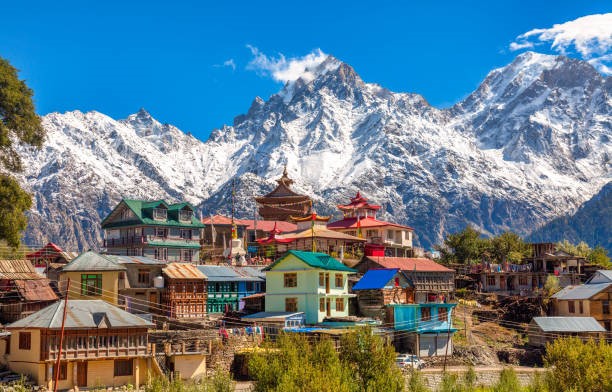
The Himalayas are a massive mountain range in South Asia, stretching across five countries: India, Nepal, Bhutan, China, and Pakistan. They are home to the world’s highest peaks, including Mount Everest (8,848 meters), the tallest mountain on Earth. Formed by the collision of the Indian and Eurasian tectonic plates, the Himalayas play a crucial role in influencing the climate and water systems of the region. They are also culturally and spiritually significant, with many sacred sites for Hindus and Buddhists.
- Everest Base Camp Trek (Nepal)
The Everest Base Camp (EBC) Trek is arguably the most iconic trek in the Himalayas. Starting from Lukla, the route passes through Sherpa villages, dense rhododendron forests, and high-altitude landscapes. Key stops include Namche Bazaar, Tengboche Monastery, and Gorak Shep before reaching the base camp at 5,364 meters. Trekkers are rewarded with breathtaking views of Mount Everest, Lhotse, and Nuptse. The best time to visit is spring (March-May) or autumn (September-November), when skies are clear and temperatures manageable.
- Annapurna Circuit Trek (Nepal)
Known for its diversity of landscapes and cultures, the Annapurna Circuit takes trekkers through subtropical forests, terraced fields, alpine valleys, and the barren terrain of the Mustang region. Starting in Besisahar and ending in Jomsom or Pokhara, the highlight is crossing Thorong La Pass at 5,416 meters. Along the way, trekkers encounter villages inhabited by Gurung, Thakali, and Manangi people, offering rich cultural immersion. The route spans around 160–230 km, depending on variations, and takes about 15–20 days.
- Markha Valley Trek (India – Ladakh)
Set in the high-altitude desert of Ladakh, the Markha Valley Trek offers stark beauty and Buddhist culture. Starting from Chilling or Spituk, the route follows the Markha River and passes through remote villages, chortens (Buddhist shrines), and ancient monasteries like Hemis. The trail crosses two high passes: Ganda La and Kongmaru La, both over 4,900 meters. This trek is best done in summer (June–September) when the rest of the Himalayas face monsoon rains.
- Goecha La Trek (India – Sikkim)
This trek in Sikkim leads to Goecha La, a high mountain pass at the base of Mount Kanchenjunga, the third-highest mountain in the world. Beginning in Yuksom, the trail winds through lush forests of Kanchenjunga National Park, home to red pandas and Himalayan black bears. Highlights include Dzongri viewpoint and the sunrise over Kanchenjunga from Goecha La. The trek is around 90 km round-trip and typically takes 10–11 days. Permits are required, and trekkers must be accompanied by a registered guide.
- Roopkund Trek (India – Uttarakhand)
Known as the “Skeleton Lake Trek,” Roopkund is famous for the mysterious skeletal remains visible in a glacial lake at about 5,029 meters. The trek begins from Lohajung and offers a mix of forests, meadows (bugyals), and snowy terrain. Notable sights include Bedni Bugyal and the climb to Junargali. While the trek is challenging due to altitude and weather, it’s incredibly scenic, especially during May–June and September–October. However, due to environmental concerns, the trek has faced restrictions in recent years.
- Langtang Valley Trek (Nepal)
Often overlooked in favor of Everest and Annapurna, the Langtang Valley Trek offers stunning views with fewer crowds. Just north of Kathmandu, the trail begins in Syabrubesi and climbs through bamboo forests and alpine meadows to the village of Kyanjin Gompa. Views of Langtang Lirung and other peaks are spectacular, and trekkers often climb nearby Tserko Ri (4,984 m) for a panoramic sunrise. The trek also aids local communities still rebuilding from the 2015 earthquake.
- Sandakphu Phalut Trek (India – West Bengal/Sikkim border)
This moderate trek offers one of the best panoramic views of the Sleeping Buddha, a formation of the Himalayan peaks including Everest, Kanchenjunga, Lhotse, and Makalu. Starting from Manebhanjan near Darjeeling, the trail passes through forests of magnolias, oaks, and rhododendrons, reaching Sandakphu (3,636 m) and Phalut. The region borders Nepal, and trekkers often cross into Nepalese villages along the route. Ideal seasons are spring and autumn.
- Kuari Pass Trek (India – Uttarakhand)
Also known as the Curzon Trail, the Kuari Pass Trek offers majestic views of Nanda Devi, India’s second-highest peak. It’s a relatively short and beginner-friendly trek that starts from Joshimath or Auli. The trail winds through oak and rhododendron forests, alpine meadows, and small villages, culminating in panoramic views of peaks like Dronagiri, Kamet, and Hathi Ghoda. Winter treks to Kuari Pass are especially magical, with snow-covered landscapes ideal for snow trekking.
- Pin Parvati Pass Trek (India – Himachal Pradesh)
This high-altitude trek connects the lush Parvati Valley to the stark Pin Valley in Spiti. Beginning from Kheerganga or Barshaini, the route involves crossing the Pin Parvati Pass at 5,319 meters, offering a mix of green meadows, glacial lakes, and barren high-altitude terrain. The contrast between the two valleys is striking—lush and wet on one side, arid and dry on the other. This is a difficult trek, suitable only for experienced trekkers with good fitness and gear.
- Snowman Trek (Bhutan)
The Snowman Trek is one of the most challenging and remote Himalayan treks, taking 25–30 days to complete. It traverses the highlands of Bhutan, crossing eleven passes over 4,500 meters, and remote settlements like Laya and Lunana. The trail offers an immersive experience of Bhutanese culture, stunning views of peaks like Jomolhari and Masang Gang, and unspoiled wilderness. Due to weather conditions, it’s only feasible in October and requires permits and a guided tour.
Where to stay in Himalayan
- Tea Houses (Nepal)
- Best for: Treks like Everest Base Camp, Annapurna Circuit, and Langtang Valley.
- What to expect: Basic lodges run by locals; shared or private rooms; common dining area; local meals like dal bhat.
- Facilities: Limited hot water, charging for electronics, and paid Wi-Fi in some areas.
- Price: Budget to mid-range ($5–$30/night, more for meals and amenities).
- Guesthouses and Homestays (India & Nepal)
- Best for: Cultural experience in villages (Ladakh, Sikkim, Spiti, Uttarakhand, Nepal).
- What to expect: Rooms in local homes or small inns; homemade food; warm hospitality.
- Facilities: Basic bedding, shared bathrooms, often no central heating.
- Price: Budget to mid-range ($10–$40/night).
- Camping (India, Nepal, Bhutan)
- Best for: Remote treks like Pin Parvati, Snowman Trek, or Goecha La.
- What to expect: Tents set up by trekking companies; sleeping bags and mats provided.
- Facilities: No built infrastructure; portable toilets; food prepared by trek staff.
- Price: Depends on package ($50–$150/day including meals, guides, porters).
Things to do in Himalayan
- Trekking and Hiking
- Why: It’s the most iconic Himalayan activity.
- Popular Routes: Everest Base Camp, Annapurna Circuit, Markha Valley, Goecha La, and Sandakphu.
- Experience: Epic mountain views, remote villages, and personal challenge.
2. Mountaineering and Climbing
- Why: For those seeking extreme adventure and technical ascents.
- Popular Peaks: Island Peak, Mera Peak, Stok Kangri (closed as of recent years), Nun-Kun, and Lobuche.
- Note: Requires permits, training, and guides.
- Visit Monasteries and Spiritual Sites
- Why: The Himalayas are deeply spiritual, with centuries-old Buddhist and Hindu monasteries.
- Key Places: Hemis and Thiksey (Ladakh), Tawang Monastery (Arunachal), Paro Taktsang (Bhutan), and Pashupatinath (Nepal).
- Experience: Meditation, prayer flags, chanting monks, and tranquil surroundings.
Day trip from Himalayan
🇳🇵 NEPAL
- Nagarkot Sunrise Tour (from Kathmandu)
- What: Early morning drive to Nagarkot for a panoramic sunrise view of the Himalayas, including Everest on a clear day.
- Extras: Short hike to Changu Narayan Temple, a UNESCO site.
- Sarangkot Viewpoint (from Pokhara)
- What: Scenic drive and short hike for views of Annapurna, Machapuchare, and Dhaulagiri.
- Extras: Paragliding and boating at Phewa Lake.
🇮🇳 INDIA
- Solang Valley Adventure Day (from Manali, Himachal)
- What: Snow activities like skiing or snowboarding (in winter), or ziplining, zorbing, and ATV rides (in summer).
- Extras: Ropeway ride with views of Rohtang Pass.
- Turtuk Village Visit (from Nubra Valley, Ladakh)
- What: Remote village near the Pakistan border with rich Balti culture.
- Extras: Apricot orchards, traditional stone houses, and riverside walks.
- Gulmarg Gondola Ride (from Srinagar, Kashmir)
- What: One of the world’s highest cable cars; panoramic views of snow-covered mountains.
- Extras: Skiing in winter or meadows full of wildflowers in summer.