

Introduction
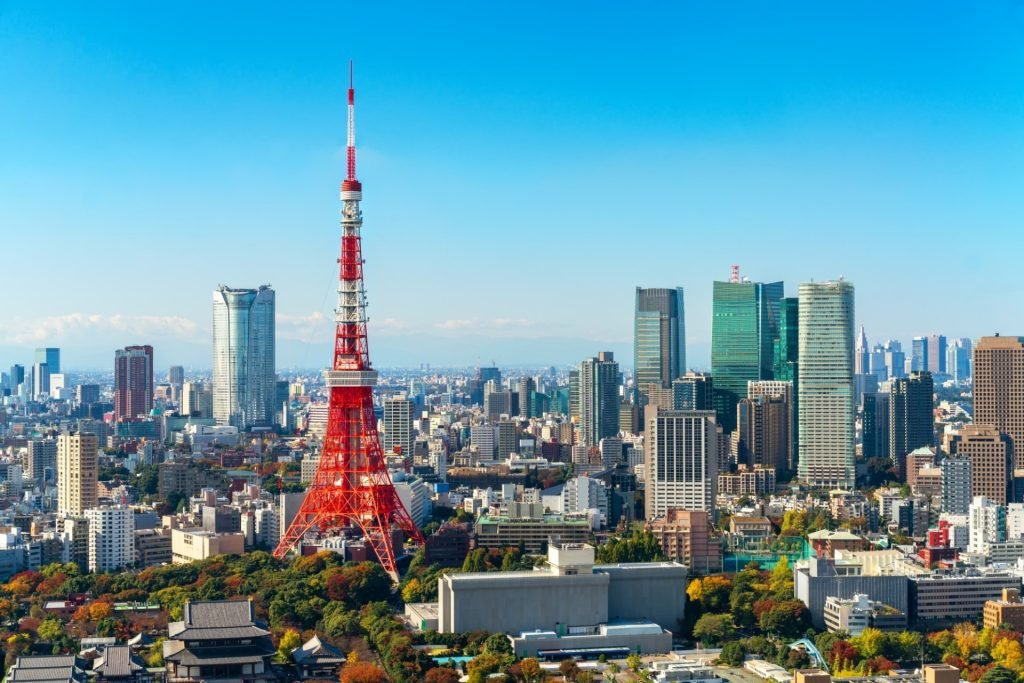
Japan is an island nation in East Asia known for its unique blend of ancient traditions and cutting-edge modernity. It consists of four main islands—Honshu, Hokkaido, Kyushu, and Shikoku—and is famous for its temples, cherry blossoms, samurai history, technology, and cuisine. The capital, Tokyo, is one of the world’s most advanced and dynamic cities, while places like Kyoto and Nara preserve Japan’s rich cultural heritage. With a strong respect for nature, etiquette, and innovation, Japan offers travelers a deeply memorable experience through its landscapes, customs, and hospitality.
- Do: Bow as a Greeting
Don’t: Rely on Handshakes
In Japan, bowing is the customary way to greet, thank, apologize, or show respect. There are different depths and durations of bows depending on the situation—deeper bows convey greater respect. As a tourist, a polite, slight bow is usually enough and appreciated.
While handshakes are becoming more common in business settings, they are not traditionally Japanese. Unless a Japanese person initiates a handshake, stick to bowing. Avoid overly familiar gestures like hugging or touching, especially when meeting someone for the first time.
- Do: Remove Your Shoes
Don’t: Wear Shoes Indoors
Shoes are considered dirty in Japan and must be removed before entering homes, temples, traditional inns (ryokan), and even some restaurants. You’ll often find a designated area near the entrance for shoe removal, along with indoor slippers provided for use inside.
When using a bathroom in a home or traditional place, there may be special “toilet slippers.” Be sure to switch into them before entering and change back afterward. Never walk on tatami mats with shoes or slippers—they’re meant to be walked on barefoot or in socks.
- Do: Follow Proper Chopstick Etiquette
Don’t: Stick Chopsticks Upright in Rice
Using chopsticks improperly is one of the most noticeable faux pas in Japan. Never stick your chopsticks upright in a bowl of rice—this resembles a ritual performed at funerals. Also, avoid passing food directly from one pair of chopsticks to another, as this mimics a cremation ritual.
Pointing with chopsticks, using them to spear food, or waving them around is also impolite. Rest chopsticks on the holder provided when not in use, and try to learn basic handling techniques before your trip.
- Do: Respect Queue Culture
Don’t: Cut in Line or Be Disruptive
Japan has a strong culture of orderliness, and queuing is taken seriously. Whether at a train station, bus stop, elevator, or restaurant, people wait their turn in calm, single-file lines. Cutting the line or creating a disturbance is considered rude and inconsiderate.
Even during rush hour in major cities like Tokyo, crowds behave with remarkable patience. This discipline extends to escalator use: typically, people stand on the left and pass on the right (except in Kansai, where it’s reversed).
- Do: Speak Softly in Public
Don’t: Talk Loudly or Make Phone Calls on Trains
Public spaces in Japan are generally quiet. It’s considered polite to keep your voice low, especially on public transportation. Making phone calls, playing music or videos without headphones, or having loud conversations is frowned upon.
Most train announcements even ask passengers to set their phones to silent and refrain from speaking on the phone. If you need to take a call, step off the train or into a designated area.
- Do: Respect Personal Space
Don’t: Be Overly Familiar
Japanese culture places a high value on personal space and boundaries. Physical contact like back-slapping, hugging, or touching is uncommon, especially with strangers. Keep a respectful distance, particularly in more rural or traditional areas.
Even in crowded places, people tend to maintain a bubble of personal space and avoid direct confrontation. Respecting this helps you blend in and be seen as a considerate visitor.
- Do: Learn Basic Japanese Phrases
Don’t: Assume Everyone Speaks English
While many Japanese people study English in school, conversational proficiency varies. Learning a few basic Japanese phrases like arigatou gozaimasu (thank you), sumimasen (excuse me/sorry), and konnichiwa (hello) can go a long way.
Showing effort is appreciated, even if your pronunciation isn’t perfect. Carrying a translation app or phrasebook also helps. When in doubt, use gestures and be polite—your respect and humility will be recognized.
- Do: Observe Onsen (Hot Spring) Etiquette
Don’t: Enter Baths Without Washing First
Visiting an onsen (hot spring) is a uniquely Japanese experience, but it comes with strict rules. Before entering the communal bath, you must thoroughly wash your body at the provided shower stations. Entering the bath without doing so is considered unhygienic.
Swimsuits are generally not allowed—you bathe naked, separated by gender. Towels should not go in the water. Tattoos, depending on the facility, may not be allowed due to associations with organized crime, though this is slowly changing.
- Do: Be Punctual
Don’t: Be Late Without Notice
Punctuality is a major part of Japanese culture, whether for meetings, dinner reservations, or train departures. Being on time is seen as a sign of respect and reliability. Trains, for example, are known for arriving and departing precisely on schedule.
If you’re running late, it’s courteous to call or notify the person waiting for you. Chronic tardiness can damage relationships, both personal and professional. Aim to arrive 5–10 minutes early if possible.
- Do: Dispose of Trash Properly
Don’t: Litter or Eat While Walking
Japan is incredibly clean, but public trash bins are surprisingly rare. This is because people usually carry their trash home or to designated areas. You’ll often find separate bins for burnable, non-burnable, and recyclable items, so be mindful of sorting.
Eating while walking is generally discouraged in public spaces. It’s acceptable near food stalls or in designated eating areas, but wandering while eating is seen as sloppy. Sit down or stand in one place while enjoying street food or snacks.
Things to do in Japan
Things to Do in Japan
- Visit Ancient Temples and Shrines
- Where: Kyoto, Nara, Nikko, Kamakura
- Highlights: Fushimi Inari Shrine (Kyoto), Todai-ji (Nara), and Senso-ji (Tokyo)
Japan has thousands of shrines and temples—some serene and tucked away, others grand and bustling. These places offer a glimpse into Shinto and Buddhist traditions and stunning traditional architecture.
- Explore the Bustling Streets of Tokyo
- Where: Shibuya, Shinjuku, Akihabara, Harajuku
From high-tech gadgets in Akihabara to fashion in Harajuku and nightlife in Shinjuku, Tokyo is an urban adventure. Don’t miss the famous Shibuya Crossing—often called the world’s busiest pedestrian crossing.
- See Mount Fuji
- Where: Fuji Five Lakes, Hakone, or from the Tokaido Shinkansen
Mount Fuji is Japan’s iconic volcano. You can hike it during the summer months or admire it from nearby lakes or hot spring resorts. Hakone offers great viewing spots and relaxing onsen (hot springs).
Where to stay in Japan
- Tokyo – For Urban Energy and Variety
Best for: First-time visitors, nightlife, shopping, pop culture
Neighborhoods to consider:
- Shinjuku: Lively, well-connected, great food and nightlife
- Shibuya: Youthful, trendy, near major attractions
- Asakusa: More traditional, close to temples and budget options
- Ginza: Upscale shopping and luxury hotels
- Akihabara: Otaku culture and tech lovers
Recommended hotels:
- Park Hotel Tokyo – Artistic and centrally located
- Shinjuku Granbell Hotel – Modern, good value
- Khaosan Tokyo Origami – Popular hostel in Asakusa
- Kyoto – For Tradition, Temples, and Tea
Best for: History, culture, scenic beauty
Neighborhoods to consider:
- Gion: Geisha district, historic and atmospheric
- Higashiyama: Near temples and charming old streets
- Kyoto Station area: Convenient for transit and affordable stays
Recommended hotels/inns:
- Ryokan Yachiyo – Traditional inn near Nanzen-ji Temple
- Hotel Gracery Kyoto Sanjo – Clean and central
- Guest House An – Budget stay with Kyoto charm
- Osaka – For Food, Fun, and Festivals
Best for: Street food, nightlife, easy day trips
Neighborhoods to consider:
- Namba: Dotonbori nightlife, shopping, eateries
- Umeda: Business hub, luxury hotels, well-connected
- Shinsekai: Retro, budget-friendly, local vibes
Recommended hotels:
- Cross Hotel Osaka – Stylish and well-located
- Hotel Nikko Osaka – Next to shopping and subway
- The Pax Hostel – Trendy and affordable
Where to Stay in Japan
- For first-timers: Stay in Tokyo and Kyoto for a blend of modern and traditional Japan.
- For rural charm: Add Takayama, Kanazawa, or a village like Shirakawa-go.
- For skiing: Choose Niseko or Hakuba in winter.
- For culture on a budget: Opt for hostels or business hotels near train lines.
- For luxury: Book early—high-end ryokan and Tokyo hotels fill up fast.