
Introduction
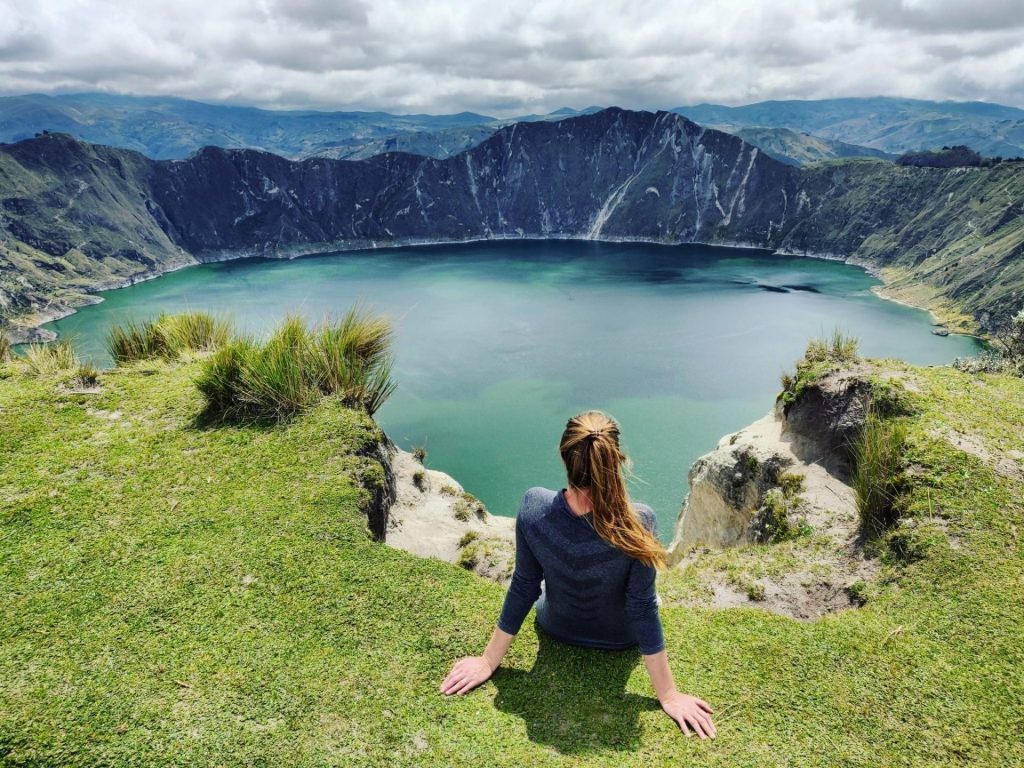
The Quilotoa Loop is a stunning multi-day trek through the Ecuadorian Andes, centered around the breathtaking Quilotoa Crater Lake—an emerald-green volcanic crater filled with crystal-clear water. This popular hike takes adventurers through remote indigenous villages, high-altitude páramo landscapes, and dramatic mountain scenery. Along the way, trekkers experience authentic Andean culture, traditional markets, and warm hospitality from local communities. The trail varies in difficulty but offers rewarding views of rugged volcanoes, lush valleys, and colorful farmland. Perfect for nature lovers and cultural explorers alike, the Quilotoa Loop is a must-do for anyone seeking an unforgettable hiking experience in Ecuador.
- Introduction to the Quilotoa Loop
Ecuador’s Quilotoa Loop is one of the country’s most iconic trekking routes, attracting hikers from around the world who seek to explore the stunning landscapes of the Andean highlands. The loop revolves around Quilotoa, a beautiful volcanic crater lake known for its striking turquoise water. This trek offers a unique combination of natural beauty, cultural immersion, and outdoor adventure, making it a must-do for any serious traveler in Ecuador. - The Stunning Quilotoa Crater Lake
At the heart of the loop lies the Quilotoa Crater Lake, a volcanic caldera filled with vibrant emerald-green water caused by dissolved minerals. The lake sits at approximately 3,900 meters (12,800 feet) above sea level and is a breathtaking sight from the crater rim. Visitors can hike down to the lake’s edge, kayak on its surface, or simply enjoy panoramic views from above, making it a focal point of the trek. - Duration and Route
The Quilotoa Loop typically takes between three and four days to complete, although some adventurous travelers choose to extend it. The trail passes through a series of small Andean villages such as Chugchilán, Isinlivi, and Sigchos, each offering a glimpse into rural Ecuadorian life. The loop is flexible and can be done in either direction, allowing hikers to customize their journey based on preferences and pace. - Altitude and Terrain
One of the challenges of the Quilotoa Loop is the high altitude, with the trail reaching elevations above 4,000 meters (13,100 feet). Trekkers should be prepared for thin air and potentially unpredictable weather. The terrain varies from rugged mountain paths and rolling páramo grasslands to dirt roads and small village streets. The trail includes steep descents and climbs, requiring a reasonable level of fitness and hiking experience. - Indigenous Culture and Local Communities
A key highlight of the Quilotoa Loop is the chance to experience Ecuador’s indigenous culture firsthand. The villages along the route are inhabited by Quechua-speaking communities that maintain traditional lifestyles centered around farming, weaving, and local crafts. Hikers can explore colorful markets, witness artisanal wool weaving, and enjoy home-cooked meals, providing a meaningful cultural connection beyond the natural scenery. - Wildlife and Nature
The loop passes through diverse ecosystems, including high-altitude páramo, cloud forests, and agricultural fields. This variety supports an array of wildlife such as Andean condors, hummingbirds, and wild orchids. The páramo ecosystem, characterized by tussock grasses and unique flora, is particularly fascinating and forms a crucial water source for the region. Nature lovers will find plenty to admire on this route. - Accommodation and Facilities
Accommodation options along the loop are mainly rustic guesthouses, hostels, and family-run inns in the villages. These provide basic but comfortable lodging and an opportunity to engage with local hosts. Some places offer meals featuring traditional Ecuadorian cuisine. While the facilities are simple, the warm hospitality and authentic atmosphere enhance the trekking experience. - Best Time to Hike the Quilotoa Loop
The ideal time for hiking the Quilotoa Loop is during Ecuador’s dry season, which runs from June to September and December to February. During these months, the weather is generally clearer with less rain, allowing for better views and safer trail conditions. However, temperatures can still be quite cold, especially at night, so proper gear is essential. - Preparation and Safety Tips
Because of the high altitude and rugged terrain, preparation is key for a safe and enjoyable trek. Hikers should spend a few days acclimatizing in Quito or nearby towns before starting. Carrying enough water, layered clothing, sun protection, and sturdy footwear is essential. It’s also wise to check weather forecasts, travel with a group or guide if unfamiliar with the trail, and respect local customs and environments. - Why the Quilotoa Loop is a Must-Do
Ultimately, the Quilotoa Loop offers a uniquely rewarding trekking experience that combines spectacular volcanic landscapes, authentic cultural encounters, and physical challenge. Whether you’re a seasoned hiker or a curious traveler, the loop’s combination of nature, history, and community provides a deep sense of connection to Ecuador’s diverse heritage. It’s a journey that leaves a lasting impression and a strong desire to explore more of the country’s Andean wonders.
Where to stay in breifly Ecuador’s Quilotoa Loop
The Quilotoa Loop passes through several small Andean villages offering basic but welcoming accommodation options. The most common places to stay are family-run guesthouses, hostels, and small inns in villages like Chugchilan, Isinlivi, and Sigchos. These lodgings provide simple rooms, traditional meals, and a chance to experience local hospitality. There are no luxury hotels, so expect rustic comfort and authentic cultural immersion. Booking ahead isn’t usually necessary, but popular times can get busy. For a unique experience, some travelers also camp or stay in local homestays along the route.
Things to do in Ecuador’s Quilotoa Loop
- Hike around Quilotoa Crater Lake – Trek along the rim or descend to the lake’s edge for stunning views and photo ops.
- Visit Indigenous Villages – Explore villages like Chugchilan, Isinlivi, and Sigchos to experience local culture, crafts, and markets.
- Try Traditional Ecuadorian Food – Sample hearty Andean dishes at family-run guesthouses and local eateries.
Day trip from Ecuador’s Quilotoa Loop
- Quilotoa Crater Lake Exploration
Spend a full day hiking around the crater rim, kayaking on the lake, or just soaking in the views. It is a perfect way to dive deeper into the highlight of the loop. - Visit the Village of Zumbahua
About an hour from Quilotoa, Zumbahua hosts lively indigenous markets (especially on weekends) where you can buy traditional crafts and experience local culture. - Pujilí Market
Located a bit further away, Pujilí is famous for its colorful Saturday market selling textiles, pottery, and food—ideal for souvenir hunting and cultural immersion.
Where to stay in Ecuador’s Quilotoa Loop
- Chugchilán: A popular base with several cozy hostels and guesthouses offering warm meals and comfortable beds. Great starting or resting point for the loop.
- Isinlivi: A small village with family-run lodges and homestays, perfect for an authentic cultural experience and quiet nights.
- Sigchos: Larger than the other villages, Sigchos has a few budget hotels and guesthouses, plus local markets and restaurants.
- Quilotoa Village: Right by the crater lake, there are basic hostels and lodges where you can stay to explore the lake at sunrise or sunset.