
Introduction
America, commonly referring to the United States of America, is a large and diverse country located in North America. It is made up of 50 states and is known for its rich cultural diversity, technological innovation, and influential role in global politics and economics. The country features a wide range of landscapes, from mountains and forests to deserts and beaches, and is home to famous landmarks like the Statue of Liberty and the Grand Canyon. America is a democratic republic with a strong emphasis on freedom and opportunity, attracting people from around the world.
- Plan Your Visit According to the Season
Yellowstone’s weather varies dramatically through the year, affecting what activities are available and what you should expect.
- Summer (June to August) is the most popular season, with warm weather and all park roads open, but also the busiest.
- Spring and Fall offer fewer crowds, cooler weather, and great opportunities for wildlife viewing, but some roads and facilities might be closed.
- Winter provides a unique snowy landscape and chances for snowmobiling and cross-country skiing, but most roads close to regular vehicles.
Check road openings and seasonal services ahead of time, so you don’t miss out on the experiences you want.
- Book Accommodation Early
Lodging inside Yellowstone fills up fast, often months in advance, especially during summer.
- Consider booking early at popular places like Old Faithful Inn, Lake Yellowstone Hotel, or Canyon Lodge.
- If you don’t get rooms inside the park, look at nearby towns like West Yellowstone, Gardiner, or Cody.
- Camping is an option, but campsites also fill quickly—make reservations well ahead or arrive early for first-come, first-served spots.
Planning your stay early ensures you won’t be scrambling for a place to sleep after a long day of exploring.
- Arrive Early to Beat the Crowds
Yellowstone is one of the most visited national parks in the U.S., and popular spots get crowded quickly.
- Aim to arrive at major attractions (Old Faithful, Grand Prismatic Spring, Yellowstone Lake) early in the morning or late in the afternoon.
- Midday crowds can be intense, making parking and viewing difficult.
- Weekdays tend to be less crowded than weekends.
Early arrival not only helps with crowds but also increases your chances of spotting active wildlife during their prime hours.
- Know the Wildlife Safety Rules
Yellowstone is home to bears, bison, elk, wolves, and more. Respecting wildlife and following safety guidelines is crucial.
- Stay at least 100 yards away from bears and wolves and 25 yards from other animals.
- Never approach or feed wildlife; it’s dangerous and illegal.
- Carry bear spray, and know how to use it.
- Stay in groups and keep noise levels moderate to avoid surprising animals.
Understanding and respecting wildlife behavior keeps you safe and protects the animals.
- Pack Smart for All Weather Conditions
Yellowstone’s weather can change quickly, even in summer. Bring versatile gear to stay comfortable.
- Dress in layers: moisture-wicking base layers, insulating mid-layers, and waterproof outer layers.
- Comfortable hiking shoes or boots with good traction are a must.
- Don’t forget sunscreen, sunglasses, and a wide-brimmed hat for sun protection.
- Carry a refillable water bottle and snacks for long hikes or drives.
Being prepared for variable conditions keeps you comfortable and ready for whatever nature throws at you.
- Use the Park Shuttle or Plan Your Driving Route
Yellowstone is huge—over 2 million acres—and driving is the primary way to get around.
- The park has a network of roads connecting major sites, but traffic jams are common, especially during peak season.
- Consider using shuttle services or guided tours to avoid parking headaches.
- Plan your driving route ahead to hit key spots efficiently and avoid backtracking.
- Keep in mind Yellowstone’s speed limits (usually 45 mph or less) to protect wildlife and ensure safety.
Patience is key when driving, as slow-moving traffic is typical near popular attractions.
- Respect Thermal Areas and Stay on Boardwalks
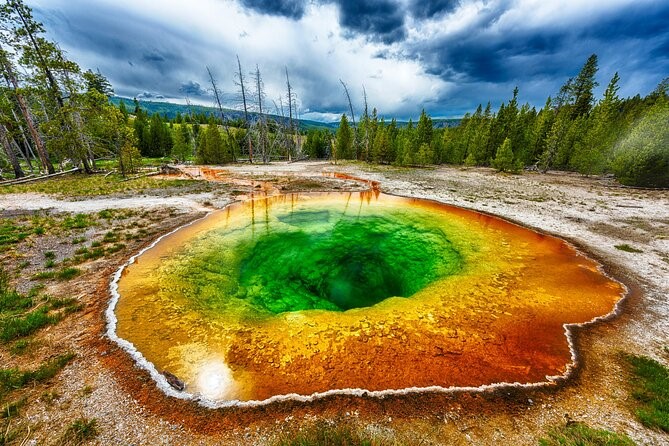
Yellowstone’s geothermal features like geysers, hot springs, and mud pots are delicate and dangerous.
- Always stay on designated boardwalks and trails in thermal areas.
- Do not throw objects into geysers or hot springs.
- Follow all posted signs and ranger instructions.
This protects the fragile ecosystem and keeps you safe from scalding water or unstable ground.
- Download Offline Maps and Park Apps
Cell service in Yellowstone is spotty to nonexistent in many areas, so relying on mobile data is risky.
- Download offline maps of Yellowstone to help with navigation.
- Use official park apps that provide trail information, wildlife alerts, and geyser eruption times.
- Carry a physical map as a backup.
Being prepared with offline resources helps you stay informed and oriented even without cell coverage.
- Bring a Camera with Extra Batteries and Memory
Yellowstone offers countless photo opportunities from landscapes to wildlife.
- Charge your camera or phone fully before heading out each day.
- Carry extra batteries or a portable charger.
- Use a zoom lens for wildlife photography to keep a safe distance.
- Capture the iconic sights like Old Faithful, Grand Canyon of Yellowstone, and Yellowstone Lake.
Documenting your trip is rewarding, but remember to enjoy the moment beyond the lens.
- Be Patient and Practice Leave No Trace Principles
Yellowstone’s popularity means some patience is required.
- Expect delays at busy sites and trailheads.
- Share viewpoints and trails respectfully with other visitors.
- Pack out all trash and minimize your impact on nature.
- Follow Leave No Trace principles to preserve the park for future generations.
Your respect for the park and other visitors helps keep Yellowstone beautiful and accessible.
Where to stay in America
- Big Cities (New York, Los Angeles, Chicago, etc.)
- Hotels: Ranging from luxury (Four Seasons, Ritz-Carlton) to budget chains (Holiday Inn, Marriott).
- Boutique Hotels: Unique, stylish stays with local charm.
- Short-term Rentals: Airbnb and Vrbo offer apartments or homes for a more local experience.
- Hostels: Affordable options, especially in big cities.
- National Parks and Nature Areas
- Lodges and Cabins: Inside parks like Yellowstone, Yosemite, or the Grand Canyon (book early!).
- Campgrounds: From basic tent sites to RV hookups.
- Nearby Towns: Cozy inns, B&Bs, or motels just outside park entrances.
- Beach Destinations (Florida, California, Hawaii)
- Resorts: Luxury beachfront properties with pools and activities.
- Vacation Rentals: Beach houses or condos for families or groups.
- Motels: Budget-friendly, often just steps from the beach.
Things to do in America
- Explore National Parks
- Visit iconic parks like Yellowstone, Yosemite, Grand Canyon, Zion, and Great Smoky Mountains.
- Go hiking, wildlife watching, camping, or simply enjoy breathtaking natural scenery.
- Experience Big Cities
- New York City: See Times Square, Central Park, Broadway shows, and world-class museums.
- Los Angeles: Visit Hollywood, Santa Monica Pier, and the Getty Center.
- Chicago: Explore Millennium Park, the Art Institute, and enjoy deep-dish pizza.
- Enjoy Beach Destinations
- Relax on the sandy shores of Florida’s Miami Beach, California’s Malibu, or Hawaii’s Waikiki Beach.
- Try surfing, snorkeling, or just soaking up the sun.
Day trip from America
Day Trips Within the U.S.
From New York City:
- Hudson Valley — Charming small towns, hiking, wineries, and historic sites.
- The Hamptons — Beaches, quaint villages, and upscale dining.
- Bear Mountain State Park — Outdoor hiking, picnic spots, and scenic views.
From Los Angeles:
- Santa Barbara — Coastal town with beaches, wine tasting, and shopping.
- Joshua Tree National Park — Unique desert landscapes and hiking.
- Malibu — Scenic beaches and great seafood spots.
From San Francisco:
- Muir Woods — Walk among towering redwoods.
- Napa Valley — World-famous wine country.
- Sausalito — Picturesque waterfront town with shops and cafes.
From Washington, D.C.:
- Mount Vernon — George Washington’s historic estate.
- Annapolis, Maryland — Historic harbor town with great seafood.
- Shenandoah National Park — Skyline Drive and scenic hiking.
Day Trips Across Borders (If near the border)
- From Seattle to Victoria, Canada (via ferry) for gardens and British charm.
- From Detroit to Windsor, Canada — Explore Canadian dining and casinos.
- From San Diego to Tijuana, Mexico — Experience vibrant street food and culture (be sure to check travel requirements).