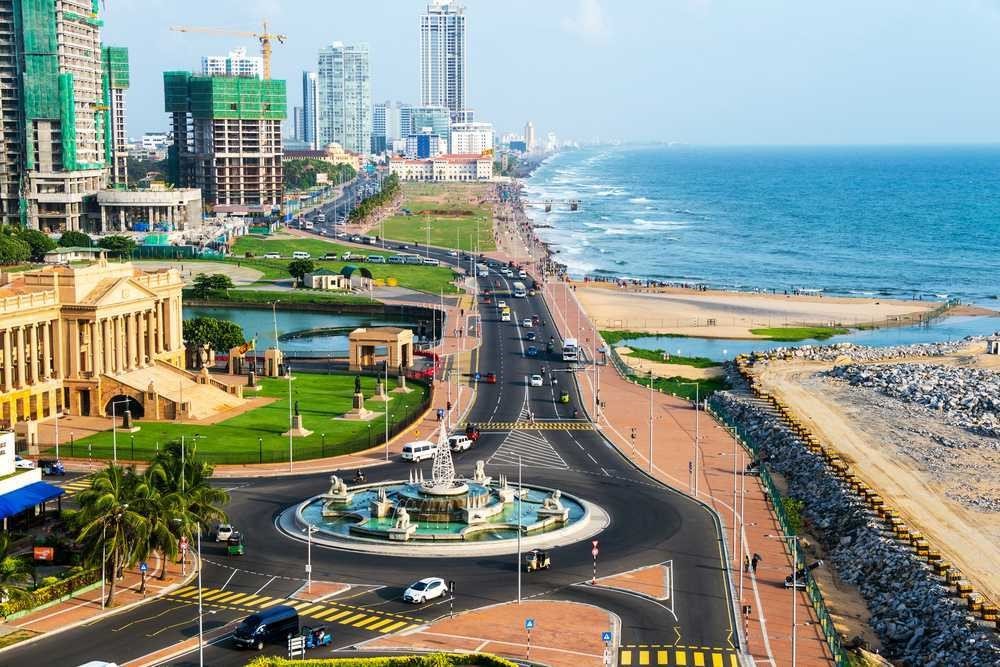

Introduction
Sri Lanka is a beautiful island nation in the Indian Ocean, known for its rich history, diverse culture, and stunning natural landscapes. From ancient temples and UNESCO World Heritage Sites to lush tea plantations, tropical beaches, and vibrant wildlife, the country offers a unique blend of adventure and relaxation. With warm hospitality, flavorful cuisine, and a variety of experiences in a compact area, Sri Lanka is an ideal destination for all types of travelers.
- Yala National Park: The Leopard’s Kingdom
Yala is Sri Lanka’s most famous national park and arguably the best place in the world to see leopards in the wild. Located in the southeast, Yala features a blend of dry forests, grasslands, and lagoons. The park has one of the highest leopard densities globally, making sightings quite frequent, especially early in the morning or late in the afternoon.
Besides leopards, Yala is home to elephants, sloth bears, crocodiles, and over 200 bird species. Safari tours typically run twice daily in open jeeps, with experienced guides who help track the animals. Booking with a reputable tour operator ensures both safety and responsible tourism.
- Udawalawe National Park: Elephant Encounters
Udawalawe, situated in the southern region, is famous for its large population of Asian elephants. Unlike Yala, the landscape here is mostly open grassland and shrub, making elephant sightings almost guaranteed.
The Udawalawe Elephant Transit Home near the park entrance is a sanctuary that rehabilitates orphaned elephants before releasing them into the wild. Visitors can watch the young elephants being bottle-fed—a heartwarming experience that also supports conservation efforts.
- Wilpattu National Park: A Quieter Safari Gem
Wilpattu, in the northwestern part of the island, is the largest and one of the oldest national parks in Sri Lanka. It’s less crowded than Yala but equally rich in wildlife, especially leopards and sloth bears. The name “Wilpattu” means “land of lakes,” and the park is dotted with natural rainwater basins that attract animals.
Due to its vast size and forested landscape, animal sightings can be less frequent, but the overall experience is more immersive and peaceful. Wilpattu is ideal for travelers who want a more off-the-beaten-path safari.
- Minneriya and Kaudulla: The Gathering of Giants
The Minneriya and Kaudulla National Parks, located in Sri Lanka’s Cultural Triangle, are best known for the “Gathering”—an annual congregation of up to 300 elephants around the Minneriya reservoir during the dry season (July to October). This is one of the largest wild elephant gatherings in Asia and a spectacular natural phenomenon.
Both parks are easily accessible from cities like Habarana and Sigiriya. The jeep safaris are relatively short and family-friendly, making them great for travelers with kids.
- Sinharaja Forest Reserve: A Rainforest Retreat
A UNESCO World Heritage Site, Sinharaja is Sri Lanka’s last viable area of primary tropical rainforest. This lush ecosystem is home to many endemic species, including the purple-faced langur, Sri Lankan blue magpie, and green pit viper.
Unlike the savannah-style parks, Sinharaja offers guided treks through dense jungle paths. These tours are less about large mammals and more about birdwatching, insect diversity, and experiencing a pristine rainforest environment. It’s a must-visit for naturalists and eco-tourists.
- Whale Watching in Mirissa and Trincomalee
Sri Lanka is one of the best places in the world to see blue whales—the largest animals on Earth. Whale watching tours depart primarily from Mirissa (south coast) between November and April, and from Trincomalee (east coast) from May to October, aligning with ocean currents and monsoon seasons.
Besides blue whales, you may also spot sperm whales, spinner dolphins, and even orcas. Make sure to choose eco-friendly operators who follow responsible marine tourism practices to avoid disturbing these magnificent creatures.
- Bundala National Park: A Birdwatcher’s Paradise
Bundala, located near Yala, is a Ramsar-designated wetland and one of the best birdwatching sites in the country. The park features salt pans, lagoons, and sand dunes that attract over 200 bird species, including greater flamingos, painted storks, and spoonbills.
Though less frequented by tourists, Bundala offers a tranquil safari experience with a mix of birds, crocodiles, wild boars, and even the occasional elephant. It’s perfect for photography enthusiasts and those seeking a more relaxed nature outing.
- Gal Oya National Park: Boat Safaris and Cultural Immersion
Gal Oya is unique in that it offers boat safaris on the Senanayake Samudraya reservoir, where elephants can often be seen swimming between islands—a rare and magical sight. The park is located in a remote area in the east and is also home to leopards, langurs, and many bird species.
Another highlight of Gal Oya is the opportunity to visit the indigenous Vedda community, who share their knowledge of the forest in guided walks. This park is perfect for travelers who want to combine wildlife watching with cultural discovery.
- Kumana National Park: Untouched Wilderness
Adjacent to Yala, Kumana is a lesser-known national park renowned for its birdlife, especially migratory waterfowl and wading birds. From April to July, thousands of birds migrate here, including pelicans, egrets, herons, and rare species like the black-necked stork.
Kumana also has a healthy population of elephants, crocodiles, and even the elusive leopard, though sightings are less frequent due to the park’s dense vegetation. The remote and rugged terrain makes for an adventurous safari.
- Practical Tips for Wildlife Tours in Sri Lanka
- Best Time to Visit: The dry seasons are best for wildlife watching—Yala and Udawalawe are ideal from May to September, while the east coast parks shine from April to October.
- Booking Safaris: Always go with certified guides and eco-friendly tour operators. Avoid overcrowded or unethical tours that chase animals or veer off trails.
- Clothing & Gear: Wear light, earth-toned clothing and pack sunscreen, hats, insect repellent, and binoculars. Early mornings and late afternoons can be cool, so a light jacket helps.
- Respect Nature: Don’t feed or touch animals, keep noise levels down, and leave no trace behind. Responsible behavior ensures the preservation of these habitats for generations to come.
- Accommodation: Many national parks have nearby eco-lodges and safari camps ranging from budget to luxury. Staying close allows you to join early morning and late evening safaris when wildlife is most active.
Where to stay in Sri Lanka
- Colombo (Capital City – Transit, Business, City Life)
- Luxury:
- Shangri-La Colombo: Modern 5-star hotel with ocean views, spa, and fine dining.
- Cinnamon Grand: Centrally located with multiple restaurants and great business facilities.
- Mid-Range:
- Colombo Court Hotel & Spa: Eco-conscious boutique hotel with stylish decor.
- Taj Samudra: Good location with colonial charm and city views.
- Budget:
- Clock Inn Colombo: Trendy hostel for backpackers.
- My Little Island Hostel: Clean, modern, and social.
- Sigiriya/Dambulla (Cultural Triangle – Ancient Sites & Safaris)
- Luxury:
- Jetwing Vil Uyana: Overwater eco-lodges with views of Sigiriya Rock.
- Aliya Resort & Spa: Elegant resort with traditional architecture.
- Mid-Range:
- Kassapa Lions Rock: Great views and good access to Sigiriya and Dambulla.
- Sigiriya Village Hotel: Nature-oriented stay near the rock fortress.
- Budget:
- Palitha Homestay: Friendly hosts and home-cooked meals.
- Back of Beyond – Pidurangala: Rustic eco-lodging close to the rock.
- Yala/Udawalawe (Wildlife Safari Regions)
- Luxury:
- Wild Coast Tented Lodge – Yala: Luxury safari tents in a beachfront jungle setting.
- Chena Huts by Uga Escapes: Upscale, all-inclusive jungle retreat near Yala Park.
- Mid-Range:
- Kalu’s Hideaway – Udawalawe: Peaceful jungle lodge with a pool and good food.
- Big Game Camp – Yala: Comfortable tented camp with guided safaris.
- Budget:
- Leopard Nest Campsite: Budget glamping near Yala.
- Elephant Trails – Udawalawe: Clean and basic safari accommodation.
Things to do in Sri Lanka
- Climb Sigiriya Rock Fortress
Sigiriya, or Lion Rock, is one of Sri Lanka’s most iconic landmarks. This ancient rock citadel rises nearly 200 meters above the surrounding jungle and offers panoramic views, frescoes, and the ruins of an ancient royal palace at the summit.
- Best time: Early morning or late afternoon to avoid the heat.
- Don’t miss: The Mirror Wall and the Lion’s Paws.
- Go on a Safari in Yala or Udawalawe
Sri Lanka is home to national parks filled with elephants, leopards, sloth bears, and a dazzling variety of birds.
- Yala is famous for leopard sightings.
- Udawalawe is ideal for guaranteed elephant encounters.
- Minneriya is best for “The Gathering” of wild elephants (July–October).
- Tip: Book a guided jeep safari for early morning or sunset hours.
- Explore the Cultural Triangle
Visit ancient cities that once formed the heart of Sri Lanka’s civilization:
- Anuradhapura – vast ruins and sacred temples.
- Polonnaruwa – well-preserved relics and Buddhist statues.
- Dambulla Cave Temple – colorful cave shrines with over 150 Buddha images.
- Ideal for: History buffs and UNESCO World Heritage chasers.
Day trip from Sri Lanka
- Galle Fort & Beach Day
- Drive Time: 2–2.5 hours each way
- Highlights: Dutch colonial architecture, lighthouse, ocean views, boutique shops, and Unawatuna Beach.
- Why go: History + beach combo, great food, and charming streets.
- Pinnawala Elephant Orphanage
- Drive Time: 2.5 hours
- Highlights: Watch elephants bathe in the river and roam freely in herds.
- Tip: Try to time your visit for the bathing hour (10:00 AM or 2:00 PM).
From Kandy
- Knuckles Mountain Range Hike
- Drive Time: 1.5–2 hours
- Highlights: Scenic hikes, waterfalls, cloud forests, rare flora.
- Why go: Unspoiled nature and incredible biodiversity.