
Introduction
Kangaroo Island is Australia’s third-largest island, located off the coast of South Australia, about 112 km southwest of Adelaide. Known for its stunning natural beauty, the island is famous for unspoiled beaches, rugged cliffs, dense bushland, and unique wildlife. It’s often called a “natural zoo” because of the abundant native animals, including kangaroos, koalas, sea lions, echidnas, and many bird species. Popular attractions include Flinders Chase National Park, Seal Bay, and Remarkable Rocks. The island also offers excellent opportunities for eco-tourism, wildlife encounters, and local food and wine experiences.
- A Natural Haven for Wildlife
Kangaroo Island, located just off the coast of South Australia, is one of the best places in the country to experience wildlife in its natural habitat. Often referred to as a “zoo without fences,” the island is a sanctuary for a diverse range of animals. Thanks to its isolation from the mainland, the island has developed unique ecosystems, supporting native species that thrive without the pressure of introduced predators. Whether you’re a nature lover, a wildlife photographer, or simply an adventurer, Kangaroo Island promises close-up encounters with some of Australia’s most iconic and rare animals. - Kangaroos in the Wild
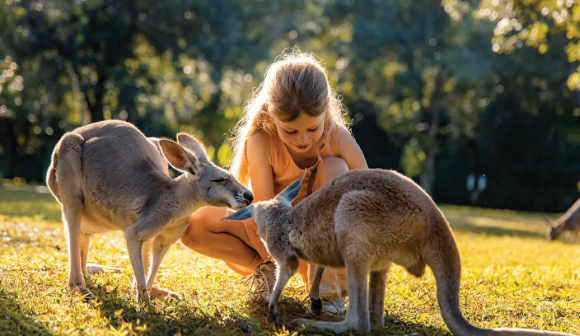
As the island’s name suggests, kangaroos are one of its star attractions. The Kangaroo Island kangaroo, a sub-species of the western grey kangaroo, is slightly shorter and darker than its mainland relatives. These gentle animals can be spotted all over the island, particularly at dusk and dawn when they come out to graze. Some of the best places to see kangaroos include the grasslands of Flinders Chase National Park, Lathami Conservation Park, and even along quiet country roads—so drive carefully and keep your camera ready! - Koalas Nestled in the Trees
Kangaroo Island is also home to a thriving population of koalas. Introduced to the island in the 1920s to preserve the species, koalas have flourished thanks to an abundance of eucalyptus trees. You’ll often spot them napping in the forks of tree branches or slowly munching on leaves. Hanson Bay Wildlife Sanctuary is one of the best places to see koalas up close in a natural setting. A guided walk through the sanctuary offers visitors the chance to learn about koala behavior, habitat, and conservation efforts. - Sea Lions at Seal Bay
Seal Bay is one of the most popular wildlife destinations on the island and for good reason. It’s the only place in the world where you can walk among a colony of endangered Australian sea lions. These animals haul out on the beach to rest between long hunting trips at sea. Visitors can join a guided tour onto the beach to observe sea lions lounging, playing, and nursing their pups—just meters away. It’s a rare opportunity to get so close to wild marine mammals in a safe and respectful environment. - Fur Seals at Admiral’s Arch
A short drive from Seal Bay takes you to the Admiral’s Arch, a dramatic rock formation near the southwestern tip of the island. Here, you’ll find a colony of long-nosed fur seals basking on the rocks or diving into the rough Southern Ocean waves. A boardwalk leads to a viewing platform overlooking the arch, offering stunning views of the seals and the surrounding coastal cliffs. The area is also great for spotting sea birds, making it a must-visit spot for wildlife and landscape photographers alike. - Echidnas on the Move
The spiny echidna is one of Australia’s most fascinating creatures, and Kangaroo Island is one of the best places to see them. These shy, solitary animals are often seen waddling across walking trails or along quiet roadsides, especially during the warmer months. They’re best known for their unique way of walking and their long snouts used to feed on ants and termites. Keep an eye out during hikes in Flinders Chase or Kelly Hill Conservation Park, where you might be lucky enough to spot one. - Nocturnal Wildlife Tours
Many of Kangaroo Island’s animals are most active at night, and a nocturnal wildlife tour offers a thrilling way to experience them. Guided night walks or spotlighting tours reveal animals like tammar wallabies, brush-tailed possums, and the elusive boobook owl. Some tours even focus on stargazing and nature interpretation, adding a magical layer to your nighttime adventure. These tours are designed to be low-impact and informative, often led by passionate local guides. - Birdwatching Paradise
Bird lovers will find paradise on Kangaroo Island, home to over 260 bird species. Among the most notable are the glossy black cockatoo, Cape Barren goose, southern emu-wren, and the rare hooded plover. Birdwatchers can visit hotspots like Pelican Lagoon, Murray Lagoon, and Duck Lagoon to observe these feathered residents in peaceful, undisturbed settings. Bring binoculars and patience—the reward is sightings of rare and colorful species found nowhere else on Earth. - Reptiles and Invertebrates
While mammals and birds often steal the spotlight, Kangaroo Island is also rich in reptiles and invertebrates. You may encounter goannas, blue-tongue lizards, or even the occasional python in the warmer months. The island also supports a range of unique insects and spiders, many of which play essential roles in the ecosystem. At places like the Kangaroo Island Wildlife Park, you can safely view and learn about some of the lesser-known but equally fascinating creatures of the island. - Conservation and Eco-Tourism
Wildlife encounters on Kangaroo Island are not just about observation—they’re also about conservation. After the devastating 2019–2020 bushfires, much of the island’s wildlife and habitat were affected. However, recovery efforts have been strong, and many eco-tourism operators are now focused on sustainable tourism that supports local communities and conservation projects. Visitors can take part in guided tours that contribute directly to wildlife protection or volunteer with organizations involved in habitat restoration and animal rescue. These experiences make your wildlife encounters more meaningful, knowing you’re helping preserve this unique environment for future generations.
Where to stay in Kangaroo Island
- Kingscote – Best for Convenience & First-Time Visitors
Why stay here: Kingscote is the largest town on the island and the main hub for shopping, dining, and essential services. It’s ideal for those who want easy access to groceries, petrol, and restaurants.
- Top stays:
- Aurora Ozone Hotel – beachfront, central, great for families
- Kangaroo Island Seaside Inn – affordable comfort with ocean views
- Good for: Couples, families, first-time visitors
- Penneshaw – Best for Ferry Arrivals & Coastal Charm
Why stay here: Located near the SeaLink ferry terminal, Penneshaw is a great first or last stop. The area offers stunning coastal views, penguin tours, and easy access to the Dudley Peninsula.
- Top stays:
- Seafront Hotel – close to the beach and ferry
- Charlie Bates Cottage – a cozy heritage-style B&B
- Good for: Short stays, couples, ferry travelers
- Flinders Chase / Western KI – Best for Wildlife & National Parks
Why stay here: Stay here if you’re exploring Flinders Chase National Park, Remarkable Rocks, or Admirals Arch. It’s remote but packed with wildlife encounters.
- Top stays:
- Western KI Caravan Park & Wildlife Reserve – cabins and camping, wildlife all around
- Kangaroo Island Wilderness Retreat – eco-luxury near the park entrance
- Good for: Nature lovers, hikers, photographers
Things to do in Kangaroo Island
- Explore Flinders Chase National Park
This iconic park is home to Remarkable Rocks, Admirals Arch, and some of the best coastal views in South Australia. You’ll also find kangaroos, echidnas, and fur seals throughout the park.
- Don’t miss: Hiking the Ravine des Casoars, Cape du Couedic Lighthouse, and spotting wildlife at dusk.
- Walk Among Sea Lions at Seal Bay
Take a guided tour to get up close to a wild colony of endangered Australian sea lions. Watch them bask, play, and feed their pups on the sand dunes and beach.
- Tip: Guided tours allow beach access; boardwalk viewing is also available for a self-guided option.
- Spot Koalas at Hanson Bay Wildlife Sanctuary
This private sanctuary is one of the best places to see koalas in their natural environment. You can also spot kangaroos, possums, and birdlife.
- Bonus: Stay for a nocturnal tour to spot wildlife that comes alive after dark.
Day trip from Kangaroo Island
6:45 AM – Depart Adelaide
- Travel by coach to Cape Jervis (approx. 2 hours).
- Board the SeaLink ferry to Penneshaw (~45 minutes).
9:30 AM – Arrive on Kangaroo Island
- Meet your guide or pick up a rental car if self-driving.
10:30 AM – Visit Seal Bay Conservation Park
- Take a guided beach walk among a colony of wild Australian sea lions.
- Learn about conservation efforts and take memorable photos just meters away from the animals.
12:30 PM – Lunch at Vivonne Bay
- Enjoy a picnic lunch or dine at a local café like Vivonne Bay General Store.
- If time allows, take a short walk on Vivonne Bay Beach — one of Australia’s best beaches.
2:00 PM – Flinders Chase National Park
- Visit iconic landmarks:
- Remarkable Rocks – giant, weather-sculpted granite boulders
- Admirals Arch – dramatic rock arch and fur seal viewing
- Spot kangaroos, wallabies, and Cape Barren geese along the drive.
4:00 PM – Optional Stop: Kangaroo Island Wildlife Park or Honey Farm
- Quick visit to Clifford’s Honey Farm or Island Beehive for Ligurian honey tastings.
- OR stop at Kangaroo Island Wildlife Park (if your time allows) for close-up animal encounters.
5:30 PM – Return to Penneshaw
- Board the 6:00 PM ferry to Cape Jervis.
- Coach transfer back to Adelaide (arriving around 10:30 PM).