
Introduction
Antarctica is Earth’s southernmost continent, located around the South Pole. It’s the coldest, windiest, and driest continent, covered almost entirely by ice. Despite its harsh conditions, Antarctica is home to unique wildlife like penguins, seals, and whales. It’s a place of scientific research, pristine natural beauty, and extreme adventure, attracting explorers and scientists from around the world.
- Awe-Inspiring Scenic Beauty
One of the most unforgettable aspects of an Antarctic cruise is the stunning natural landscape. Expect to see vast expanses of ice, towering glaciers, dramatic mountain ranges, and enormous icebergs in every shape and size. The pristine white wilderness, often with a backdrop of crystal-clear blue skies or the soft glow of the Southern Lights, creates a surreal environment unlike anywhere else on Earth. The ever-changing light and weather conditions make every moment on deck a photographer’s dream. - Unique Wildlife Encounters
Antarctica is home to an incredible array of wildlife, and a cruise offers close encounters with species you’ll rarely see elsewhere. You can expect to spot colonies of penguins—such as the curious Gentoo, the elegant Adelie, or the imposing Emperor penguins—waddling along the ice or nesting. Seals, including Weddell and fur seals, lounge on ice floes, while whales like humpbacks and orcas often swim alongside the ship. Bird watchers will enjoy spotting albatrosses and petrels soaring overhead. - Variable Weather Conditions
Weather in Antarctica is famously unpredictable. While the cruise season (typically November to March) offers the mildest conditions, expect a range of temperatures—from chilly but manageable to freezing cold, especially near the coast. Wind and snow are common, and conditions can change rapidly. It’s important to be prepared with layered clothing and waterproof gear, and to understand that some excursions may be altered or postponed for safety. - Expedition-Style Travel and Small-Group Landings
Most Antarctic cruises follow an expedition-style format, focusing on small-group shore landings and close-up exploration. Rather than traditional cruise ports, ships anchor near ice-covered beaches where passengers board Zodiac boats—small inflatable crafts—that take you ashore. These landings allow you to walk among penguin colonies, explore ice caves, or hike on rugged terrain under the guidance of expert guides and naturalists. The emphasis is on responsible tourism to protect this fragile environment. - Expert-Led Educational Lectures and Workshops
A big part of the experience comes from learning about Antarctica’s unique ecosystem, history, and science. Onboard, you’ll find a team of naturalists, scientists, and historians who provide daily lectures and workshops. Topics range from marine biology and glaciology to the region’s exploration history and climate change impact. These sessions deepen your appreciation for the environment and help you understand the importance of conservation efforts. - Zodiac Excursions and Kayaking Opportunities
Zodiac boats are the primary way to access Antarctica’s shorelines and get close to the ice and wildlife. These small crafts allow for thrilling rides through icy waters and intimate wildlife viewing. Many cruises also offer optional kayaking, which is a favorite for adventure seekers wanting to quietly glide past icebergs and seals. These excursions offer a very personal and immersive way to experience Antarctica’s pristine environment. - Onboard Amenities and Ship Facilities
While Antarctica is wild and remote, the cruise ships themselves are designed to provide comfort and safety. Expect modern amenities such as cozy lounges with panoramic windows, dining rooms serving fresh and hearty meals, and observation decks for wildlife watching. Some ships have hot tubs, gyms, or even spas. However, the focus is on blending comfort with the rugged expedition experience, so ships tend to be smaller and more intimate than typical ocean liners. - The Importance of Responsible and Sustainable Travel
Antarctica’s ecosystem is incredibly fragile, and all cruise operators follow strict environmental guidelines. You can expect to participate in responsible tourism practices, such as adhering to limits on shore visits, maintaining distance from wildlife, and never disturbing natural habitats. Many cruises also support scientific research and environmental conservation projects. Understanding and respecting these rules is crucial to preserving Antarctica for future generations. - Emotional and Physical Preparation for the Journey
An Antarctic cruise requires some preparation beyond packing warm clothes. Emotionally, you may experience a profound sense of awe, isolation, and connection with nature that few other places can offer. Physically, you’ll want to be ready for activities like walking on uneven icy terrain and spending long periods outdoors. Seasickness can be an issue during the Drake Passage crossing, so many travelers bring remedies. Mental readiness for the unpredictable weather and remote conditions enhances the overall experience. - The Unforgettable Sense of Adventure and Discovery
Finally, what truly sets an Antarctic cruise apart is the feeling of embarking on a genuine adventure. You’re traveling to one of the last great wildernesses on Earth, where few people have been before and nature reigns supreme. The silence of the ice fields, the thrill of spotting a rare whale, or the quiet moments watching penguins interact create lifelong memories. This journey is more than a trip—it’s an exploration of a fragile world and a testament to human curiosity and resilience.
Where to Stay in Antarctica
- Research Stations
The most permanent “accommodations” in Antarctica are the scientific research stations operated by various countries. These facilities house scientists and support staff year-round, but they generally don’t accept tourists overnight. However, some expeditions include brief visits to these stations where visitors can learn about research and life in Antarctica. - Expedition Cruises
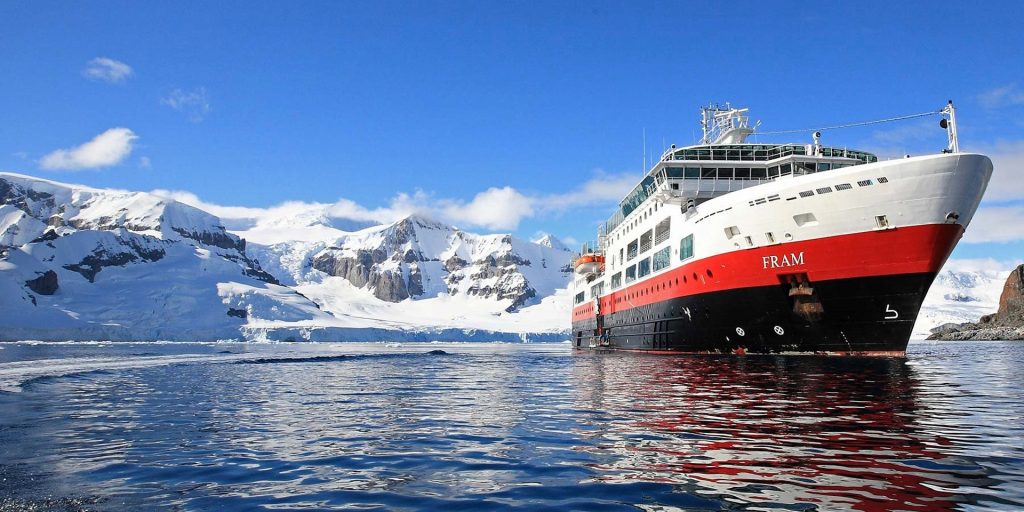
The most common way tourists “stay” in Antarctica is on board expedition cruise ships. These vessels serve as both transport and accommodation, offering cabins with varying levels of comfort—from cozy shared rooms to luxury suites. Cruises range from basic to high-end, often featuring expert guides, naturalists, and even zodiac boats for landing on shore. - Icebreaker Ships
Some tours use icebreaker ships capable of navigating thicker sea ice to reach more remote parts of Antarctica. These ships also have onboard cabins and facilities similar to cruise ships but with a stronger focus on exploration and adventure.
Things to Do in Antarctica
- Wildlife Watching
Antarctica is famous for its unique wildlife. You can observe penguins (like Adélie, Gentoo, and Emperor), seals (such as Weddell and leopard seals), whales (including orcas and humpbacks), and a variety of seabirds. Wildlife is most active during the summer months, making it an unforgettable experience. - Zodiac Boat Excursions
Small inflatable boats called Zodiacs allow visitors to get close to icebergs, glaciers, and wildlife along the coast. These excursions offer a thrilling and intimate way to explore areas that larger ships can’t access. - Kayaking
For the more adventurous, kayaking among the ice floes and around pristine shorelines offers a unique perspective on Antarctica’s icy wilderness. Guided tours provide safety and help you
Day trip from Antarctica
- Zodiac Landings
Most Antarctic cruises include multiple short day trips using Zodiac boats to land on the continent or nearby islands. These landings let you explore wildlife colonies, glaciers, and historic sites for a few hours before returning to the ship. - Hiking Excursions
During these day landings, guided hikes on the ice or rocky shorelines allow visitors to experience Antarctica’s terrain safely. - Visits to Research Stations
Some day trips include stops at scientific research stations, where you can learn about ongoing Antarctic research.