
Introduction
Iceland is a Nordic island nation located in the North Atlantic Ocean, known for its stunning natural landscapes, including volcanoes, glaciers, waterfalls, geysers, and hot springs. Despite its name, much of Iceland is green in summer, while volcanic activity and geological forces shape its dramatic terrain. The country has a small population, with most people living in the capital, Reykjavík. Iceland is famous for its renewable energy use, rich Viking history, and natural wonders like the Northern Lights and the Blue Lagoon. It’s a top destination for nature lovers and adventure travelers.
- What Are Iceland’s Ice Caves?
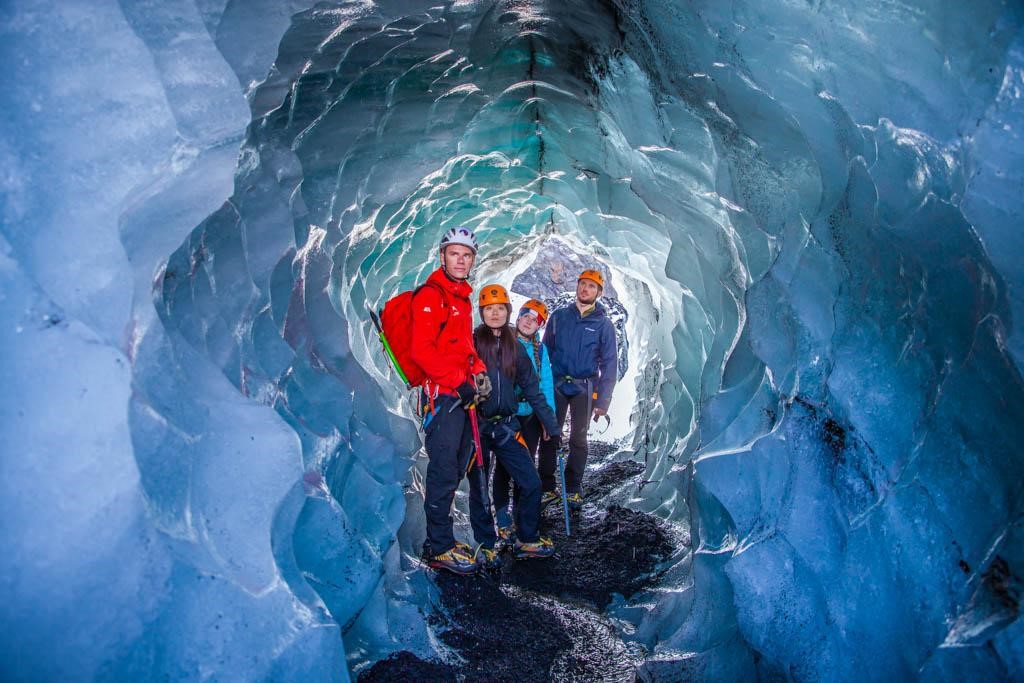
Iceland’s ice caves are natural formations that appear seasonally within the country’s glaciers, primarily in winter. These caves form when meltwater carves tunnels and chambers inside massive glaciers like Vatnajokull, Europe’s largest ice cap. The caves are famous for their brilliant blue ice walls, created by the dense, compacted ice that absorbs every color except blue, which it reflects. Each cave is unique, shaped by the glacier’s movement, temperature fluctuations, and volcanic activity underneath the ice. - Best Time to Visit
The ice caves in Iceland are generally accessible from November through March when the temperatures drop enough to keep the caves stable and safe for visitors. Outside this period, warmer weather causes the ice to melt and caves to collapse or become unsafe. Winter months also offer longer nights, making it easier to combine ice cave visits with other activities like Northern Lights hunting. - Where to Find the Ice Caves
Most famous ice caves are located in Vatnajokull National Park in southeast Iceland. Vatnajokull glacier, covering over 8% of Iceland, is home to many accessible caves such as the Crystal Ice Cave. Other popular sites include the Katla Ice Cave near the south coast and the Langjokull glacier in the west. Each region offers different experiences, with some caves formed by volcanic heat and others purely by glacial meltwater. - Guided Tours Are a Must
Visiting ice caves without a guide is highly discouraged due to safety risks like falling ice, sudden weather changes, and unstable terrain. Licensed guides provide helmets, crampons, and expert knowledge to navigate the caves safely. Many tours include transportation, ensuring visitors get to remote locations without hassle. Booking in advance is recommended as tours fill up quickly during peak season. - What to Expect Inside the Caves
Stepping into an ice cave feels like entering another world. Walls of crystal-clear blue ice that glow in the dim natural light surround visitors. The atmosphere is silent except for occasional dripping water or the crunch of ice underfoot. The temperature inside can be just below freezing, so warm clothing is essential. The caves’ shapes are constantly changing, meaning every visit offers a different perspective on the frozen formations. - Essential Gear and Preparation
Visitors should dress in layers, including thermal underwear, waterproof jackets, gloves, hats, and sturdy boots. Many tours provide crampons (spiked shoe attachments) for walking on slippery ice. A good camera is recommended to capture the surreal beauty, but bring extra batteries as cold temperatures drain them quickly. It’s also wise to bring snacks and water, as tours can last several hours in remote areas. - Photography Tips for Ice Caves
The vibrant blue hues and intricate textures inside the caves make for spectacular photos. Use a wide-angle lens to capture the expansive ice walls and natural formations. A tripod can help with low-light conditions but may not be allowed on some tours. Avoid using flash directly on the ice, which can cause glare. Early morning or late afternoon tours often provide the best natural lighting for photography. - Combining Ice Cave Visits with Other Activities
Many travelers combine their ice cave adventure with other Icelandic experiences such as glacier hiking, snowmobiling, or visiting nearby attractions like the Jokulsarlon Glacier Lagoon and Diamond Beach. Winter is also prime time for Northern Lights tours, which can make your trip even more magical. Planning your itinerary to include multiple activities in the same region helps maximize your time and budget. - Environmental Responsibility
Iceland’s ice caves are fragile natural wonders that depend on a delicate balance of climate conditions. Visitors are urged to respect the environment by staying on designated paths, not touching or damaging the ice, and following their guide’s instructions. Responsible tourism helps preserve these caves for future generations. Additionally, be mindful of your carbon footprint and consider eco-friendly travel options when possible. - Why Visiting Iceland’s Ice Caves Is a Must-Do Experience
Visiting the ice caves in Iceland offers an unforgettable glimpse into one of Earth’s most stunning and ephemeral landscapes. The unique blend of raw natural beauty, thrilling adventure, and cultural immersion makes it a bucket-list experience for travelers worldwide. Beyond the awe-inspiring sights, it deepens appreciation for our planet’s natural wonders and highlights the urgent need to protect fragile environments threatened by climate change.
Where to stay in Iceland
- Reykjavík – Best for First-Time Visitors & Culture
- Why stay here: Iceland’s capital is the main hub for flights, tours, nightlife, and restaurants. Great for short stays or as a base for day trips.
- Top areas: Downtown Hlemmur, Laugavegur street area.
- Popular hotels:
- The Reykjavik EDITION – luxury
- Canopy by Hilton – stylish mid-range
- KEX Hostel – budget-friendly with character
- Golden Circle Area – Best for Nature Lovers & Day Trips
- Why stay here: Puts you near major attractions like Gullfoss, Geysir, and Pingvellir.
- Top towns/areas: Fluoir, Laugarvatn, Selfoss, Hverageroi.
- Popular stays:
- ION Adventure Hotel – modern and scenic
- Hotel Geysir – walkable to Geysir
- Frost and Fire Hotel – riverside hot tubs in Hverageroi
- South Coast – Best for Waterfalls, Glaciers & Northern Lights
- Why stay here: Ideal for exploring Skogafoss, Seljalandsfoss, Reynisfjara beach, and Vatnajokull glacier.
- Top towns: Vík, Hella, Hofn, Kirkjuaejarklaustur.
- Popular stays:
- Hotel Vík I Myrdal – near black sand beaches
- Fosshotel Glacier Lagoon – near glacier hiking spots
- Hotel Ranga – luxury with Northern Lights wake-up call
Things to do in Iceland
- Explore Natural Wonders
- Golden Circle: Visit Pingvellir National Park, Geysir, and Gullfoss waterfall.
- South Coast: See Skogafoss, Seljalandsfoss, Reynisfjara black sand beach, and the Solheimajokull glacier.
- Snæfellsnes Peninsula: Often called “Iceland in Miniature” – see Kirkjufell Mountain, lava fields, and sea cliffs.
- Jokulsarlon Glacier Lagoon: Watch floating icebergs and nearby Diamond Beach.
- Vatnajokull National Park: Home to Europe’s largest glacier and amazing ice caves (winter only).
- See the Northern Lights (Aurora Borealis)
- Best viewed between September and April, away from city lights.
- Ideal locations: Thingvellir, Hella, Hotel Ranga area, Eastfjords, or anywhere rural with clear skies.
- Consider a Northern Lights tour or guided aurora hunt.
- Soak in Hot Springs & Geothermal Pools
- Blue Lagoon Most famous, luxurious, and tourist-friendly.
- Sky Lagoon New and beautifully designed with ocean views.
- Secret Lagoon More natural and less crowded.
- Myvatn Nature Baths (North Iceland): Similar to Blue Lagoon, with fewer crowds.
- Many towns have public geothermal pools – affordable and authentic.
Day trip from Iceland
- The Golden Circle (Most Popular Day Trip)
- Stops:
- Pingvellir National Park – walk between tectonic plates.
- Geysir geothermal area – watch Strokkur erupt.
- Gullfoss waterfall – stunning two-tiered waterfall.
- Add-ons:
- Kerio Crater, Secret Lagoon, or a greenhouse farm.
- Best for: First-time visitors, families, history & geology lovers.
- Travel time: ~6–8 hours round trip.
- South Coast Adventure
- Stops:
- Seljalandsfoss & Skogafoss waterfalls.
- Reynisfjara black sand beach.
- Vik village.
- Add-ons:
- Sólheimajokull glacier hike or DC plane wreck.
- Best for: Photographers, nature lovers, outdoor adventurers.
- Travel time: ~10–12 hours.
- Jokulsarlon Glacier Lagoon (Long Day Trip)
- Stops:
- Jokulsarlon glacier lagoon – see floating icebergs.
- Diamond Beach – ice chunks on black sand.
- Optional: Zodiac boat tour among the icebergs (summer).
- Best for: Scenic wonders, glacier and ice lovers.
- Travel time: ~14–15 hours (very long but incredible).
- Tip: Consider an overnight trip if time allows.