
Introduction
Iceland is a Nordic island country located in the North Atlantic Ocean. Known for its stunning natural beauty, it features glaciers, volcanoes, geysers, hot springs, and dramatic landscapes shaped by volcanic activity. Despite its rugged environment, Iceland has a small population and a rich cultural heritage. It’s famous for outdoor adventures like hiking, whale watching, and exploring geothermal areas.
- Unique Volcanic Landscape
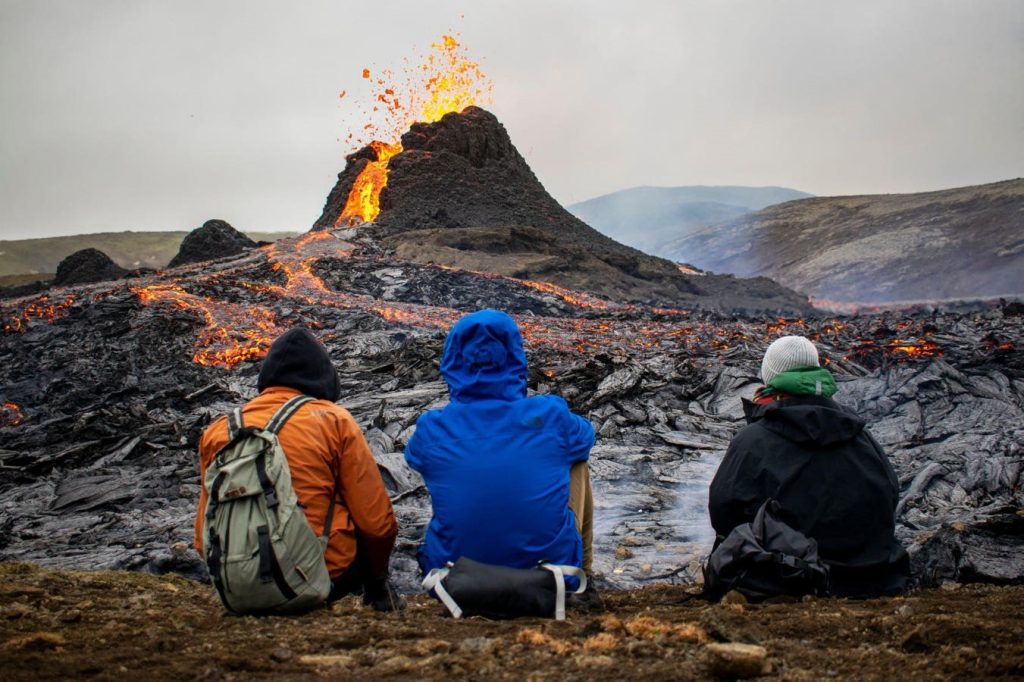
Iceland is one of the most volcanically active places on Earth, sitting on the Mid-Atlantic Ridge where the Eurasian and North American tectonic plates meet. This unique geological setting has created an extraordinary volcanic landscape, featuring everything from lava fields and volcanic craters to steaming fumaroles and vast geothermal areas. Visitors to Iceland’s volcanic regions experience landscapes that look like scenes from another planet, with rugged terrain, black volcanic rock, and bubbling hot springs shaping the scenery. - Active Volcanoes and Eruptions
The volcanic activity in Iceland isn’t just history — it’s ongoing. The country’s active volcanoes have erupted frequently over the last century, with recent eruptions like Eyjafjallajokull in 2010 and Fagradalsfjall in 2021 capturing global attention. Visitors interested in volcanology can witness the power of nature firsthand, sometimes even observing lava flows or newly formed craters. Icelandic authorities, making visits safe while providing a rare chance to see volcanic activity up close, closely monitor these eruptions. - Popular Volcanic Sites to Visit
Several volcanic sites in Iceland are accessible and popular among tourists. For example, the Krafla volcanic area in the north offers geothermal activity and volcanic craters, while the volcanic fields around Hekla and Katla, two of Iceland’s most famous volcanoes, provide hiking opportunities. The Reykjanes Peninsula, near Reykjavik, is another hotspot, known for its volcanic fissures, mud pools, and hot springs, as well as recent volcanic activity like the 2021 Fagradalsfjall eruption. - Geothermal Wonders
Iceland’s volcanic activity fuels an abundance of geothermal features. Visitors can soak in naturally heated hot springs, such as the famous Blue Lagoon, or explore geysers like Strokkur that erupt regularly, shooting hot water high into the air. These geothermal areas are living demonstrations of the Earth’s internal heat, making Iceland’s volcanic regions not only visually stunning but also offering relaxing and therapeutic experiences. - Hiking and Outdoor Adventures
Exploring Iceland’s volcanic regions often means hiking across lava fields, volcanic craters, and rugged highlands. Trails vary in difficulty, from short walks to multi-day treks like the Laugavegur Trail, which passes through volcanic landscapes, rhyolite mountains, and geothermal areas. Outdoor enthusiasts can combine the thrill of adventure with the awe of witnessing volcanic geology, spotting unique flora that has adapted to the harsh volcanic soil. - Volcanic Soil and Unique Ecosystems
Volcanic eruptions create fertile soil rich in minerals, which, over time, supports unique ecosystems. Despite the harsh conditions immediately after an eruption, life gradually returns and adapts. Visitors interested in nature will notice the resilience of plant species that thrive in these volcanic regions. Birdlife also flourishes in some areas, and volcanic formations provide nesting sites and habitats not found elsewhere. - Cultural and Historical Significance
Volcanoes have played an important role in Icelandic culture, folklore, and history. Many eruptions have influenced settlement patterns and farming practices. The Icelandic sagas contain stories about volcanic eruptions and their impact on communities. Today, volcanic regions are not only natural wonders but also cultural landmarks that tell stories of survival, adaptation, and respect for the forces of nature. - Accessibility and Guided Tours
Many of Iceland’s volcanic sites are accessible by car or organized tours, making it easy for travelers to visit safely and learn about the geology. Guided tours often include expert volcanologists or local guides who provide in-depth knowledge about the region’s volcanic history and current activity. For those who prefer self-guided travel, rental cars and well-marked trails allow for exploration at one’s own pace. - Safety Considerations
While Iceland’s volcanic regions are fascinating, safety is a priority. Visitors need to respect warning signs, avoid restricted areas, and stay informed about volcanic activity through official sources like the Icelandic Meteorological Office. Weather conditions can change rapidly, and volcanic terrain can be unstable. Proper preparation, suitable clothing, and awareness of emergency procedures are essential for a safe visit. - Sustainable Tourism and Conservation
With growing interest in Iceland’s volcanic regions, sustainable tourism practices are increasingly important. Preserving fragile volcanic landscapes and geothermal features requires responsible visitor behavior, such as staying on marked paths and minimizing environmental impact. Icelandic authorities and tour operators promote conservation efforts to ensure that future generations can also enjoy these spectacular natural wonders while maintaining the delicate balance of Iceland’s volcanic ecosystems.
Where to Stay in Iceland
- Reykjavik — The Capital Hub
Reykjavik is Iceland’s vibrant capital and the main gateway for most travelers. It offers a wide range of accommodation options from budget hostels and guesthouses to luxury hotels. Staying here is ideal for those who want easy access to city life, restaurants, museums, nightlife, and tours departing to popular sites like the Golden Circle. - South Coast — Nature and Adventure
The South Coast is famous for waterfalls, black sand beaches, glaciers, and volcanoes. Towns like Vik, Hella, and Hvolsvöllur provide cozy guesthouses, farm stays, and small hotels. This region is perfect for travelers looking to explore natural wonders like Skogafoss, Seljalandsfoss, and the glaciers of Vatnajokull National Park. - Golden Circle Area — Close to Top Attractions
The Golden Circle route includes Pingvellir National Park, Geysir geothermal area, and Gullfoss waterfall. Staying near Selfoss or Laugarvatn offers convenient access to these highlights. Accommodations here range from countryside cottages to family-run inns, great for those who want to minimize driving times.
Things to do in Iceland
- Explore the Golden Circle
Visit Þingvellir National Park (a UNESCO World Heritage site), the geothermal Geysir area with erupting hot springs, and the majestic Gullfoss waterfall. It’s a classic route offering a mix of history, geology, and stunning landscapes. - Visit the Blue Lagoon
Relax in the famous geothermal spa with its milky-blue waters rich in minerals. It’s a perfect spot to unwind and enjoy Iceland’s geothermal energy in a luxurious setting near Reykjavik. - See Waterfalls
Iceland has countless spectacular waterfalls — don’t miss Seljalandsfoss (where you can walk behind the falls), Skogafoss, Dettifoss (Europe’s most powerful waterfall), and Godafoss.
Day trip from Iceland
- Golden Circle Tour
The most famous day trip, covering Þingvellir National Park, Geysir geothermal area, and Gullfoss waterfall. It’s an easy loop showcasing Iceland’s geology, history, and stunning nature, all within a few hours’ drive. - South Coast Adventure
Visit waterfalls like Seljalandsfoss and Skogafoss, explore the black sand beach at Reynisfjara near Vik, and see the striking basalt columns and sea stacks. This trip often includes glacier views too. - Reykjanes Peninsula
Close to Reykjavik, this volcanic peninsula features geothermal areas, mud pools, lava fields, and the famous Blue Lagoon spa — great for combining nature and relaxation.