
Introduction
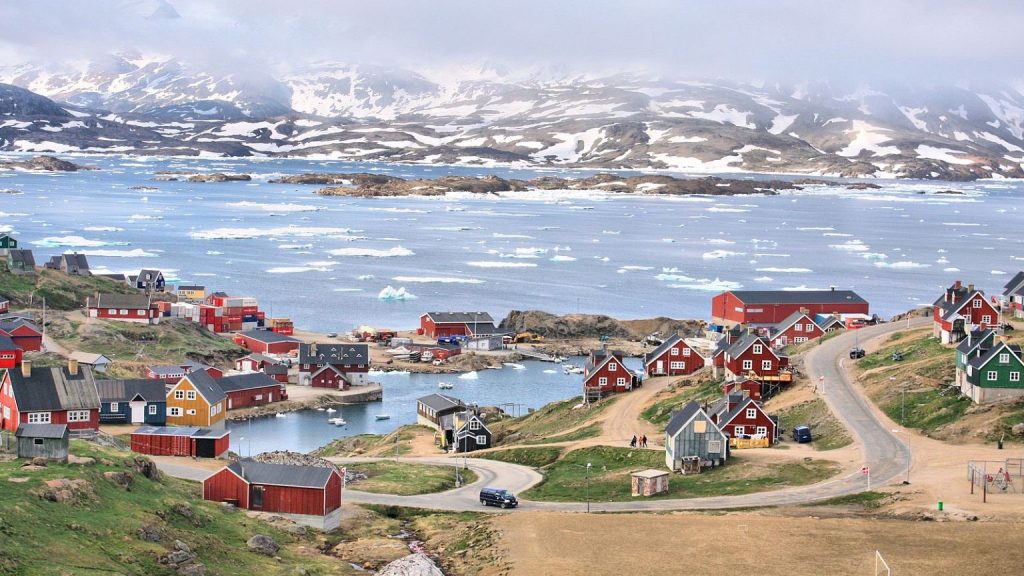
Greenland is the world’s largest island, located between the Arctic and Atlantic Oceans, and is an autonomous territory within the Kingdom of Denmark. Known for its vast ice sheet, rugged fjords, and Arctic wilderness, Greenland is home to a small population mostly of Inuit descent. The island’s unique landscape features towering glaciers, icy mountains, and abundant wildlife, making it a popular destination for adventure travelers and researchers studying climate change.
- Majestic and Vast Ice Landscapes
Greenland’s glaciers are some of the largest and most impressive ice masses on Earth. Covering roughly 80% of the island, the Greenland Ice Sheet stretches over 1.7 million square kilometers. Visitors to Greenland are immediately struck by the sheer scale of the glaciers—vast fields of ice that glitter under the Arctic sun. These glaciers are alive, constantly moving and reshaping the landscape, making Greenland a unique destination for those seeking raw, natural beauty in an untouched Arctic environment. - Accessible Glacier Adventures
Despite its remote location, many of Greenland’s glaciers are accessible through guided tours. Visitors can take boat trips to get close to glacier fronts, hike on the ice with experienced guides, or even take helicopter tours for breathtaking aerial views. Popular glacier destinations include the Ilulissat Icefjord, a UNESCO World Heritage site, where massive icebergs calve from the glacier into the sea. These adventures offer both thrilling experiences and safe ways to witness the power of nature. - The Ilulissat Icefjord Experience
One of the most famous glacier sites is the Ilulissat Icefjord, located on Greenland’s west coast. This UNESCO-listed area is renowned for its enormous icebergs that float down from the Jakobshavn Glacier, one of the fastest-moving glaciers in the world. Visitors can hike around the fjord’s viewing platforms or take boat tours to see the icebergs up close. The constant movement and cracking sounds of the ice create an unforgettable atmosphere. - Wildlife Around the Glaciers
Visiting Greenland’s glaciers also offers the chance to see Arctic wildlife in their natural habitats. Polar bears, seals, Arctic foxes, and various seabirds thrive near these icy environments. Bird watchers can spot species such as the white-tailed eagle or the little auk, while marine life enthusiasts might see whales or seals in the surrounding waters. Wildlife viewing enriches the glacier experience, highlighting the delicate balance of this Arctic ecosystem. - Climate Change Impact and Awareness
Greenland’s glaciers are a frontline indicator of climate change. Visitors often learn about the rapid melting of the ice sheet and its global implications. Guided tours frequently include educational components about how glacier retreat affects sea levels and local communities. Witnessing these changes firsthand fosters a deeper understanding of environmental challenges and underscores the urgency of climate action. - Seasonal Differences in Glacier Visits
The experience of visiting Greenland’s glaciers varies dramatically by season. Summer (June to August) offers milder weather, longer daylight hours, and accessible boat tours, while winter trips focus on the northern lights and ice-covered fjords. Each season reveals a different side of the glaciers—from vibrant blue icebergs floating in summer waters to stark, frozen expanses in winter. Travelers should plan their visit based on their preferred activities and weather tolerance. - Cultural Encounters in Glacier Regions
Greenlandic culture is deeply intertwined with its natural surroundings, including the glaciers. Visiting local Inuit communities near glacier sites offers insight into traditional lifestyles that have adapted to the harsh Arctic conditions. Tourists can learn about indigenous hunting practices, storytelling, and crafts, enriching their understanding of the relationship between people and ice. These cultural experiences complement the natural beauty of the glaciers. - Photography Opportunities
For photographers, Greenland’s glaciers provide an extraordinary canvas. The interplay of light on ice, the vibrant blues of glacial water, and the dramatic landscapes create perfect conditions for stunning images. Sunrise and sunset, when the low Arctic sun casts warm colors on the cold ice, are especially magical. Whether using professional gear or smartphones, visitors often come away with breathtaking photos capturing the ethereal beauty of the glaciers. - Practical Tips for Glacier Visits
Traveling to Greenland’s glaciers requires preparation. Visitors should pack warm, layered clothing, sturdy hiking boots, and waterproof gear. Since Greenland’s infrastructure is limited, booking tours and accommodations in advance is essential. Respect for the environment is critical—tourists must follow guidelines to minimize their footprint and avoid disturbing wildlife. Local guides play a vital role in ensuring safe, responsible glacier exploration. - Unforgettable and Transformative Experience
Ultimately, visiting Greenland’s glaciers is more than just a sightseeing trip—it is a transformative journey into one of the Earth’s most fragile and spectacular environments. The awe-inspiring ice landscapes, the raw power of nature, and the cultural richness combine to leave a lasting impression. For many, it is a life-changing experience that deepens appreciation for the planet and motivates personal commitment to preserving these natural wonders for future generations.
Where to Stay in Greenland
- Nuuk – The Capital City
Nuuk offers the most urban experience in Greenland, with a range of accommodations from modern hotels to cozy guesthouses. Hotels like Hotel Hans Egede and Hotel Arctic provide comfortable stays with amenities such as restaurants and Wi-Fi. Nuuk is a great base for exploring Greenland’s cultural sites, museums, and nearby nature excursions. - Ilulissat – Gateway to the Icefjord
Ilulissat is the top choice for glacier tourists because it’s right next to the famous Ilulissat Icefjord. You’ll find a variety of lodgings here, from upscale hotels like Hotel Arctic and Hotel Ilulissat to charming guesthouses and hostels. Many accommodations offer stunning views of the icefjord and easy access to guided tours. - Sisimiut – Adventure Hub
Sisimiut, Greenland’s second-largest town, is popular for outdoor activities like hiking, dog sledding, and skiing. It offers a range of stays including hotels, guesthouses, and hostels. Sisimiut provides a good mix of nature and town amenities, making it ideal for adventurous travelers who want comfort and access to wilderness.
Things to Do in Greenland
- Explore Ilulissat Icefjord
Visit this UNESCO World Heritage site to see towering icebergs calving from the Jakobshavn Glacier. Hike nearby trails or take boat tours for an unforgettable Arctic experience. - Go Dog Sledding
Experience traditional Inuit transportation by dog sledding across snow-covered landscapes. It’s a thrilling way to explore the Arctic wilderness, especially in winter. - Witness the Northern Lights
From late autumn to early spring, Greenland offers spectacular views of the Aurora Borealis, especially in remote locations with minimal light pollution.
Day Trips from Greenland
- From Ilulissat: Icefjord Boat Tour
Take a boat trip from Ilulissat harbor to the Ilulissat Icefjord to see massive icebergs up close. The cruise often includes wildlife spotting like seals and seabirds and gives you spectacular views of the Jakobshavn Glacier front. - From Nuuk: City and Cultural Tour
Spend a day exploring Greenland’s capital Nuuk. Visit the Greenland National Museum, walk around the colorful harbor, check out the Katuaq Cultural Center, and enjoy local Greenlandic cuisine at a café. - From Sisimiut: Arctic Hiking Trails
Head out on a day hike along one of Sisimiut’s scenic trails, such as the Palasip Qaqqaa summit trail. The trek offers panoramic views of fjords, mountains, and the town below.