
Introduction
Victoria is a state in southeastern Australia, known for its vibrant cities like Melbourne, beautiful coastlines, diverse landscapes, and rich cultural scene. It offers a mix of urban experiences, natural parks, beaches, and historic sites, making it a popular destination for both locals and tourists.
- Introduction to the Great Ocean Road
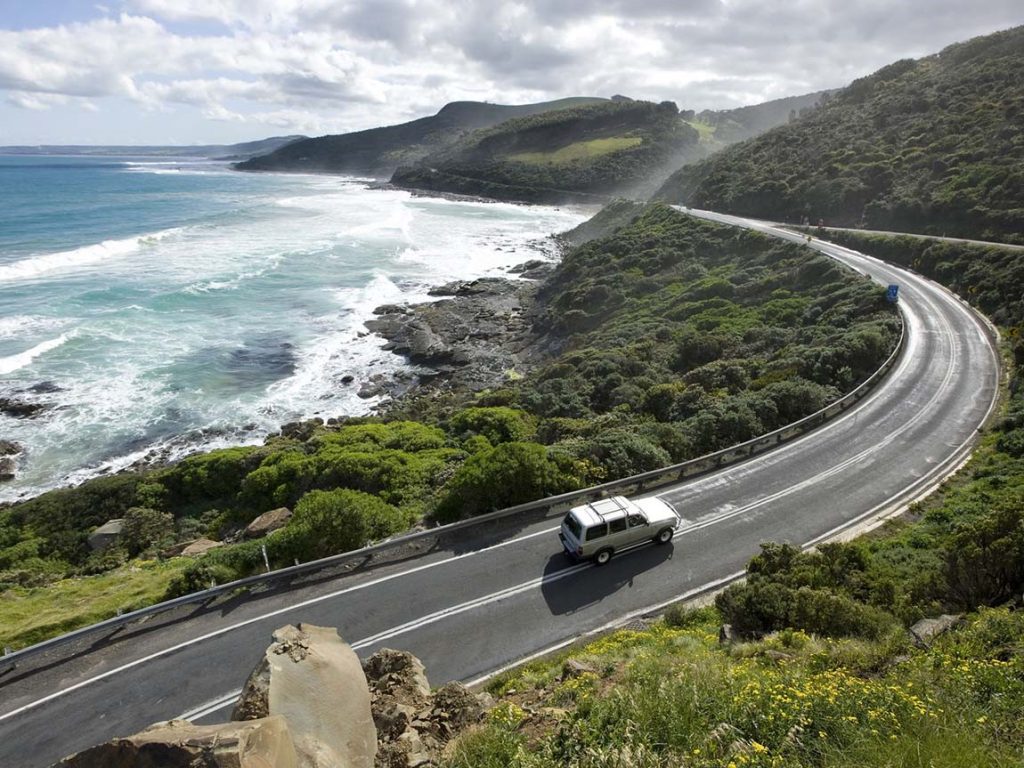
Victoria’s Great Ocean Road is one of Australia’s most famous and breathtaking coastal drives. Stretching approximately 240 kilometers (150 miles) along the southeastern coast of Victoria, it connects the towns of Torquay and Allansford. This iconic route is renowned worldwide for its spectacular ocean views, towering cliffs, and natural rock formations. The road offers a unique blend of natural beauty, rich history, and cultural significance, making it a must-visit destination for travelers exploring Australia.
- Historical Significance
The Great Ocean Road was constructed between 1919 and 1932 by returned soldiers from World War I, serving as a memorial to those who lost their lives during the war. This makes it the world’s largest war memorial built by veterans. The construction was a massive feat given the rugged terrain and limited technology of the time. Today, the road stands as both a tribute to the soldiers’ sacrifice and an engineering marvel, symbolizing resilience and community spirit.
- The Twelve Apostles
One of the most famous landmarks along the Great Ocean Road is the Twelve Apostles, a collection of limestone stacks rising majestically from the Southern Ocean. Over millions of years, erosion has shaped these towering rock formations, creating a stunning natural spectacle. Although there are now fewer than twelve stacks due to natural collapse, the site remains one of the most photographed and visited attractions in Australia. Sunrise and sunset here offer breathtaking views that draw photographers and tourists alike.
- Diverse Coastal Scenery
The Great Ocean Road offers an ever-changing panorama of coastal scenery. Visitors can experience pristine sandy beaches, rugged cliffs, sheltered coves, and sweeping ocean views. The coastline is part of the Shipwreck Coast, named for the many shipwrecks that occurred here during the 19th and early 20th centuries. This diversity in landscape makes the drive visually captivating at every turn, providing ample opportunities for sightseeing, photography, and relaxation.
- Wildlife and Nature
The region surrounding the Great Ocean Road is rich in biodiversity and native wildlife. Visitors often spot kangaroos, koalas, and a variety of bird species in the nearby forests and national parks. The Otway National Park, located along the route, is a haven for nature lovers with its ancient rainforests, waterfalls, and walking trails. The marine environment is also home to seals, dolphins, and whales, especially during migration seasons, offering unique wildlife experiences.
- Outdoor Activities and Adventures
Beyond scenic driving, the Great Ocean Road offers numerous outdoor activities. Hiking enthusiasts can explore trails in the Great Otway National Park, such as the Cape Otway Lighthouse walk or the Triplet Falls trail. Surfing is popular at beaches like Bells Beach, famous for hosting international surfing competitions. Other activities include fishing, kayaking, and camping, providing a variety of ways to enjoy the natural environment and immerse in local culture.
- Coastal Towns and Local Culture
Along the Great Ocean Road, travelers can stop at charming coastal towns like Lorne, Apollo Bay, and Port Campbell. These towns offer a warm welcome with local cafes, artisan shops, galleries, and markets. They are perfect places to experience regional hospitality and sample fresh seafood. Each town has its own character and history, contributing to the rich cultural tapestry of the Great Ocean Road experience.
- Shipwreck Coast and Maritime History
The Great Ocean Road follows a stretch of coastline known as the Shipwreck Coast, infamous for the numerous shipwrecks caused by treacherous waters and rocky shores. The history of these maritime disasters is preserved in local museums and visitor centers, providing insight into the dangers faced by early sailors. Sites like Loch Ard Gorge commemorate some of the most dramatic shipwreck stories, adding a layer of historical intrigue to the natural beauty.
- Conservation and Environmental Importance
Efforts to preserve the natural beauty and ecosystems along the Great Ocean Road are ongoing. The region includes protected areas and national parks that safeguard native flora and fauna. Sustainable tourism practices are encouraged to minimize environmental impact and ensure that future generations can continue to enjoy this unique landscape. Visitors are urged to respect the environment by following guidelines, staying on marked paths, and avoiding disturbance to wildlife.
- Planning a Visit and Travel Tips
Visiting the Great Ocean Road can be a full-day trip or a multi-day adventure depending on your interests. The best time to visit is during the Australian spring and summer months (September to February) when the weather is milder. Driving the route allows flexibility, but guided tours are also available for those who prefer a structured experience. Accommodation options range from cozy seaside cottages to luxury resorts. Regardless of how you choose to explore, the Great Ocean Road promises unforgettable memories and awe-inspiring views.
Where to stay in Victoria
- Melbourne (Capital City)
- Luxury: Crown Towers, The Langham, or Park Hyatt Melbourne
- Mid-range: QT Melbourne, Ovolo Laneways, or Hotel Lindrum
- Budget: Space Hotel, The Village Melbourne, or Ibis Budget Melbourne CBD
Melbourne offers vibrant city life, cafes, art, and culture.
- Great Ocean Road Region
- Lorne: Cumberland Lorne Resort (mid-range), Mantra Lorne (luxury), or Lorne Hostel (budget)
- Apollo Bay: Captains At The Bay (luxury), Apollo Bay Eco YHA (budget)
- Port Campbell: Port Campbell Motor Inn, or Port Campbell Parkview Motel
These towns are perfect for coastal views and access to natural attractions.
- Yarra Valley (Wine Region)
- Luxury: Chateau Yering Historic House Hotel, Yarra Valley Lodge
- Mid-range: Yarra Valley Cottages, Balgownie Estate Vineyard Resort
Great for wine tasting, gourmet food, and relaxing countryside stays.
Things to do in Victoria
- Explore Melbourne’s Laneways
Discover the city’s famous laneways filled with street art, cozy cafes, boutique shops, and hidden bars. Don’t miss Hosier Lane for vibrant graffiti.
- Drive the Great Ocean Road
Experience one of the world’s most scenic coastal drives with stunning ocean views, the Twelve Apostles, and charming seaside towns.
- Visit the Yarra Valley
Go wine tasting at world-class wineries, enjoy gourmet food, and relax in beautiful countryside surroundings.
Day trip from Victoria
- Great Ocean Road (Short Highlights)
- Drive the first part of the Great Ocean Road to places like Torquay (famous for surfing) and Lorne.
- Enjoy coastal views, beaches, and maybe a quick hike.
- Return to Melbourne the same day (start early!).
- Yarra Valley Wine Region
- Visit several wineries for tastings and gourmet food.
- Explore charming towns like Healesville.
- Stop by the Healesville Sanctuary to see native Australian animals.
- Mornington Peninsula
- Relax at the Peninsula Hot Springs.
- Visit coastal towns like Sorrento or Rye.
- Walk along the stunning cliffs of the Cape Schanck Lighthouse.