
Introduction
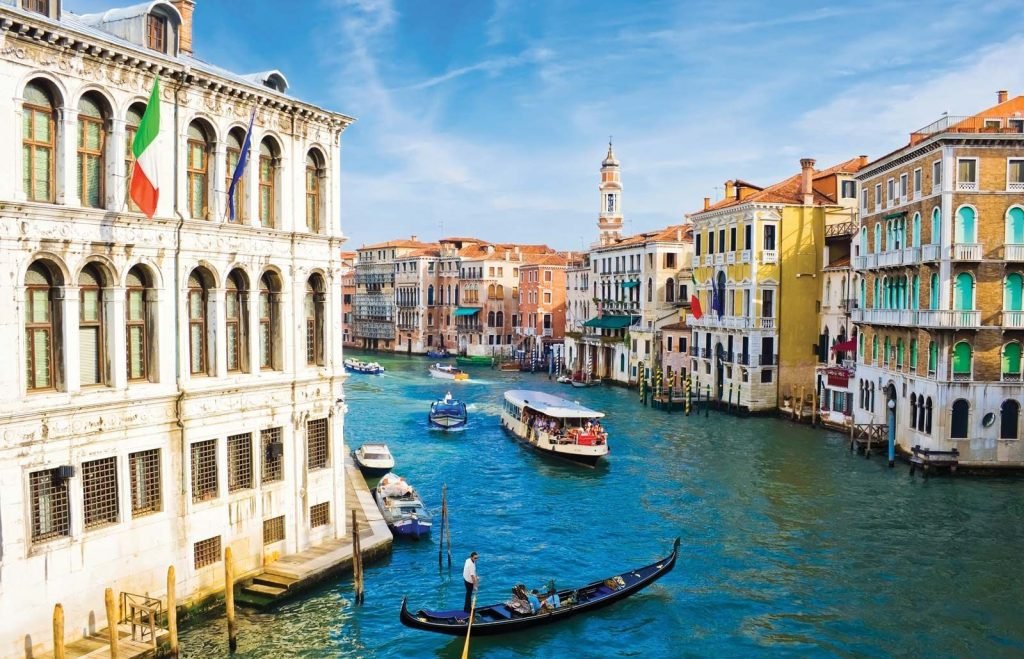
Venice is a unique and historic city in northeastern Italy, built on over 100 small islands connected by canals and bridges. Famous for its beautiful architecture, romantic gondola rides, and rich cultural heritage, Venice has no roads—only waterways. Landmarks like St. Mark’s Basilica, the Grand Canal, and Rialto Bridge draw millions of visitors each year. Known as “La Serenissima,” Venice was a powerful maritime republic in the Middle Ages and Renaissance, and its blend of Byzantine, Gothic, and Renaissance architecture reflects that glory.
- Understand the Costs Ahead of Time
Before hopping into a gondola, it’s crucial to understand the official pricing. As of 2025, the standard daytime fare is €90 for a 30-minute ride, while rides after 7:00 PM cost €110. This fee is per gondola—not per person—and can accommodate up to five passengers comfortably. Longer rides are possible, but the price increases accordingly. Always confirm the duration and total price before boarding to avoid misunderstandings.
- Choose the Right Time for Your Ride
Timing plays a big role in your gondola experience. The middle of the day is typically the most crowded, both on the canals and at gondola stations. To enjoy a quieter, more romantic ride, aim for early morning or after sunset. Evening rides, especially during golden hour or twilight, offer stunning views of the city bathed in warm light, though they come at a slightly higher price.
- Pick a Departure Point Away from Tourist Hubs
Many tourists queue for gondola rides near major attractions like St. Mark’s Square or the Rialto Bridge. While convenient, these areas are often overcrowded, and the rides may feel rushed or commercial. For a more peaceful and authentic experience, head to quieter districts such as Cannaregio, Dorsoduro, or San Polo. The routes there are often less trafficked and offer a glimpse into the daily life of Venetians.
- Negotiate and Confirm Details in Advance
Though gondola rates are standardized by the city, it’s still wise to discuss and confirm the price, route, and duration before starting your ride. Some gondoliers may be open to slight route adjustments if you request them in advance. Being clear upfront helps avoid surprises and ensures your expectations are met.
- Don’t Expect Singing—Unless You Pay Extra
A common misconception is that all gondola rides include singing. In reality, singing is not part of the standard fare. If you’re hoping for a serenade, you’ll need to book a ride that specifically includes a singer and accordionist, often as part of a private or group tour package. Expect to pay an additional €40–€100 or more for this service.
- Share a Ride to Reduce Costs
Gondolas can seat up to five or six people, making it possible to share a ride with other tourists to cut down on individual costs. While this might not be ideal for couples seeking a romantic experience, it’s a great option for budget travelers or families. Some travel apps or hotels may help you connect with other visitors interested in splitting a gondola ride.
- Learn a Bit About the Gondolier
Venice’s gondoliers are highly trained professionals, and many come from families who have been in the trade for generations. While some gondoliers are chatty and will share historical anecdotes during the ride, others may stay quiet. If you’re interested in stories and local knowledge, ask politely if they speak English and if they’d be willing to share some insights. Most are happy to oblige, especially when engaged respectfully.
- Know What to Expect From the Ride
A typical gondola ride takes you through smaller, quieter side canals, under charming bridges, and past centuries-old buildings. Some routes may include a short stretch of the Grand Canal, especially if you depart near popular areas. Don’t expect a high-speed tour or extensive commentary—it’s more about the atmosphere, ambiance, and unique perspective of the city from the water. Sit back, relax, and soak in the views.
- Consider a Guided Gondola Tour
If you’re interested in history and context while cruising, consider booking a gondola ride with an official guide. Many local tour companies offer packages that pair a ride with a knowledgeable guide who either joins the boat or narrates through a headset. This is a great option for travelers who want more than just a scenic ride and want to dive deeper into Venice’s rich cultural background.
- Explore Cheaper Alternatives if You’re on a Budget
If a gondola ride feels too expensive, there are alternatives. Traghetti are stripped-down gondolas used by locals to cross the Grand Canal at several points where there are no bridges. These rides are short (usually just a few minutes), but at €2–€3, they offer a very affordable way to experience riding a gondola-like vessel. It’s not the same as a romantic tour, but it’s an authentic local experience worth trying.
Where to stay in Venice
- San Marco – Best for First-Time Visitors
Why stay here: It’s the heart of Venice, home to iconic landmarks like St. Mark’s Basilica, the Doge’s Palace, and Rialto Bridge.
- Pros: Central, walkable to all major sights, many restaurants and shops.
- Cons: Crowded, touristy, expensive.
- Top Hotels:
- Hotel Danieli, a Luxury Collection Hotel – Historic 5-star with stunning lagoon views.
- Hotel Firenze – Great value mid-range option steps from St. Mark’s.
- Cannaregio – Best for Local Vibes & Budget Travelers
Why stay here: A quieter, more authentic neighborhood with a blend of locals and tourists. Includes the Jewish Ghetto.
- Pros: Cheaper accommodation, great food, peaceful canals.
- Cons: Slightly farther from major sights (15–20 min walk).
- Top Hotels:
- Carnival Palace Hotel – Modern boutique hotel on a quiet canal.
- Hotel Hesperia – Quaint and affordable near the train station.
- Dorsoduro – Best for Art Lovers & Couples
Why stay here: Home to Peggy Guggenheim Collection, Accademia Gallery, and scenic canals. Artistic and romantic.
- Pros: Relaxed, beautiful views, close to art museums.
- Cons: Fewer late-night options.
- Top Hotels:
- Ca’ Pisani Hotel – Art Deco style, near the Accademia.
- Pensione Accademia – Romantic, garden setting near a quiet canal.
Things to do in Venice
- Visit St. Mark’s Basilica (Basilica di San Marco)
Explore the golden mosaics, ornate domes, and historical treasures of Venice’s most famous church. Don’t miss the rooftop terrace for a great view of Piazza San Marco.
- Tour the Doge’s Palace (Palazzo Ducale)
Once the seat of Venetian power, this Gothic masterpiece is rich with history, including the Bridge of Sighs and secret prison cells.
- Take a Gondola Ride
Float through Venice’s narrow canals and under historic bridges for a quintessential experience. Try quieter routes in Cannaregio or Dorsoduro for a more peaceful ride.
Day trip from Venice
- Murano, Burano & Torcello – Lagoon Islands Tour
- Travel time: 30–60 minutes by vaporetto
- Highlights:
- Murano: World-famous for glass-blowing (visit a live demo)
- Burano: Known for lace-making and rainbow-colored houses
- Torcello: Peaceful island with a 7th-century cathedral
- Tip: You can visit all three islands in one day with a guided tour or on your own using a vaporetto day pass.
- Verona – The City of Romeo & Juliet
- Travel time: ~1.5 hours by train
- Highlights:
- Juliet’s House (Casa di Giulietta)
- Roman Arena (older than the Colosseum)
- Piazza delle Erbe and scenic river views
- Tip: Ideal for lovers of literature, history, and medieval architecture.
- Padua (Padova) – Arts, Science & Spirituality
- Travel time: 30–40 minutes by train
- Highlights:
- Scrovegni Chapel (Giotto frescoes)
- Basilica of Saint Anthony
- Prato della Valle – one of Europe’s largest squares