
Introduction
Australia is a large island continent and country located in the Southern Hemisphere, between the Indian and Pacific Oceans. It is known for its unique wildlife, diverse landscapes, and vibrant multicultural cities. Major cities include Sydney, Melbourne, Brisbane, Perth, and Adelaide, with Canberra as the capital. Australia is famous for natural wonders like the Great Barrier Reef, Uluru (Ayers Rock), and its vast Outback. The country has a rich Indigenous heritage, with Aboriginal and Torres Strait Islander cultures dating back over 65,000 years.
- A Sacred Awakening in the Outback
The Uluru sunrise experience is far more than just watching the sun rise; it’s a spiritual encounter with one of Australia’s most sacred and iconic natural landmarks. Located in the heart of the Northern Territory’s Red Centre, Uluru holds deep cultural and spiritual significance to the Anangu people, the traditional custodians of the land. As dawn breaks, the silence of the desert and the presence of the rock create an atmosphere of reverence and calm, setting the stage for a powerful and unforgettable moment. - The Magic of Changing Colors
One of the most mesmerizing aspects of sunrise at Uluru is the way the rock seems to change color before your eyes. As the first rays of sunlight touch the surface of the monolith, Uluru glows deep red, then transforms into brilliant shades of orange and gold. The constantly shifting hues are caused by the iron content in the sandstone, which reacts to the sunlight and atmospheric conditions. This natural light show is both awe-inspiring and fleeting, making it a must-see for visitors. - Early Start, Rewarding Finish
To witness the sunrise, you’ll need to wake up well before dawn and travel to the designated sunrise viewing area inside Uluru-Kata Tjuta National Park. Although it may feel challenging to leave the warmth of your bed in the early hours, the reward is well worth the effort. Many guided tours include hotel pickup and even a light breakfast, allowing you to sit back, relax, and fully immerse yourself in the experience without worrying about logistics. - Photography Paradise
Uluru at sunrise is a dream for photographers, both amateur and professional. The soft light, dramatic shadows, and striking red rock create a composition that’s hard to match anywhere else in the world. Whether you’re using a DSLR, a drone, or just your phone, you’ll be capturing some of the most iconic shots of your journey. Many visitors also photograph the surrounding desert landscape, which includes desert oaks, spinifex grasses, and the distant domes of Kata Tjuta. - Cultural Context and Indigenous Connection
Sunrise at Uluru is not only about nature’s beauty but also about understanding the cultural heritage of the area. The Anangu people believe Uluru was formed by ancestral beings during the creation period known as Tjukurpa. Some tours offer the opportunity to hear Dreamtime stories from local Aboriginal guides, who share the meaning behind the rock’s features and explain its deep spiritual importance. This adds a layer of meaning that transforms a beautiful view into a profound learning experience. - Shared Silence and Stillness
One of the most striking aspects of the Uluru sunrise experience is the peaceful silence shared among visitors. As the sky gradually lightens and the first glow hits the rock, there’s a quiet reverence that falls over the crowd. It’s a moment that invites reflection, mindfulness, and a deep sense of connection with nature. Many people describe it as a meditative or even spiritual experience, heightened by the serene beauty of the desert landscape. - Uluru’s Geological Marvel
Uluru is a geological wonder—an inselberg, or isolated rock hill, that rises 348 meters above the desert floor and extends even further below ground. Formed over 550 million years ago, it’s composed of arkose sandstone and has withstood the harsh elements of the Outback. Watching the sun rise over this ancient rock formation gives you a true sense of the Earth’s timeless beauty. It’s a humbling reminder of how small we are compared to the scale of nature’s creations. - Best Time and Seasonal Tips
While Uluru’s sunrises are stunning year-round, the best time to visit is during the cooler months from May to September. The desert climate means chilly mornings, but the clearer skies and mild daytime temperatures make for ideal viewing conditions. In summer (December to February), temperatures can soar, and storms are more frequent, sometimes obscuring the view. Be sure to check sunrise times in advance and dress in layers, as the desert mornings can be surprisingly cold. - Enhancing the Experience with Guided Tours
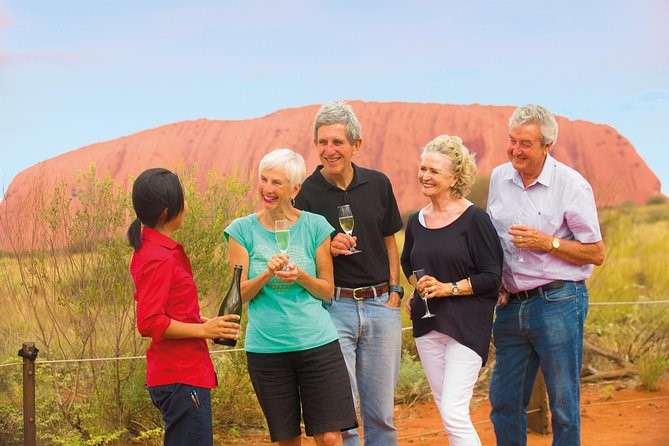
Many visitors choose to join a guided sunrise tour for a richer, more informative experience. These tours often include transportation, refreshments, and commentary from knowledgeable guides who share insights about the landscape, flora, fauna, and Indigenous culture. Some tours even combine the sunrise with other activities, such as a walk around the base of Uluru, a visit to Kata Tjuta, or a breakfast in the bush. Going with a guide ensures you make the most of your early morning adventure. - An Unforgettable Moment in Time
The Uluru sunrise experience is often described as a bucket-list moment—and rightly so. It’s not just about witnessing a spectacular natural event, but about being fully present in a moment of beauty, stillness, and wonder. Whether you’re a solo traveler seeking inspiration, a couple celebrating a special journey, or a family creating lasting memories, watching the sun rise over Uluru leaves a lasting impression. It’s a rare moment when nature, culture, and emotion come together in perfect harmony.
Where to stay in Australia
Major Cities
- Sydney
- Luxury: Park Hyatt Sydney, The Langham, Crown Towers
- Mid-range: The Fullerton Hotel, Adina Apartments, Rydges World Square
- Budget: Wake Up! Sydney, The Pod Sydney, YHA Sydney Harbour
- Melbourne
- Luxury: The Langham Melbourne, Crown Towers, QT Melbourne
- Mid-range: Novotel on Collins, Brady Hotels, Art Series – The Larwill Studio
- Budget: Space Hotel, The Village Melbourne, United Backpackers
- Brisbane
- Luxury: W Brisbane, Emporium Hotel, The Calile Hotel
- Mid-range: Ibis Styles, Meriton Suites, The Inchcolm by Ovolo
- Budget: Brisbane City YHA, Selina Brisbane, Nomads Brisbane Hostel
Things to do in Australia
- Explore Natural Wonders
- Visit Uluru (Ayers Rock) at sunrise or sunset in the Northern Territory.
- Snorkel or dive the Great Barrier Reef, the world’s largest coral reef system.
- Hike in the Blue Mountains, NSW – known for its stunning valleys, waterfalls, and eucalyptus forests.
- See the Twelve Apostles on the Great Ocean Road, Victoria.
- Cruise the Kimberley region in Western Australia for ancient gorges and remote beauty.
- Discover Cradle Mountain-Lake St Clair National Park in Tasmania.
- Meet Australia’s Unique Wildlife
- Cuddle a koala or feed kangaroos at wildlife sanctuaries (e.g., Lone Pine in Brisbane, Cleland in Adelaide).
- See Tasmanian devils at Bonorong Wildlife Sanctuary.
- Swim with dolphins in Port Stephens or Monkey Mia.
- Spot crocs on a river cruise in Kakadu National Park.
- Visit Phillip Island to watch the Penguin Parade at dusk.
- Discover Iconic Cities
- Sydney: Climb the Sydney Harbour Bridge, tour the Opera House, relax at Bondi Beach.
- Melbourne: Explore laneways, enjoy coffee culture, and catch a sports match or festival.
- Brisbane: Cruise the Brisbane River, visit South Bank and its cultural precinct.
- Perth: Chill at Cottesloe Beach, explore Kings Park, and take a ferry to Rottnest Island (quokkas!).
- Hobart: Tour the MONA museum and enjoy fresh seafood at the Salamanca Market.
Day trip from Australia
- From Sydney
- Blue Mountains: Scenic World, Three Sisters, bushwalks, Aboriginal culture
- Hunter Valley: Wine tasting, cheese and chocolate shops, hot air ballooning
- Palm Beach: Coastal walks, Home and Away filming location
- Port Stephens: Dolphin watching, sandboarding, snorkeling
- From Melbourne
- Great Ocean Road: 12 Apostles, rainforest walks, coastal views
- Phillip Island: Penguin Parade, koalas, beaches, motorsports
- Yarra Valley: Wine and gourmet food tasting, hot air balloon rides
- Dandenong Ranges: Puffing Billy train, gardens, forest hikes
- From Brisbane / Gold Coast
- Moreton Island: Snorkeling, sandboarding, dolphin feeding
- Springbrook or Lamington National Parks: Rainforest hikes, waterfalls
- North Stradbroke Island: Beaches, wildlife, laid-back vibes
- Australia Zoo: Famous wildlife park founded by Steve Irwin