
Introduction
Bwindi Impenetrable Forest is a dense tropical rainforest in southwestern Uganda, famous for being one of the last habitats of endangered mountain gorillas. It’s a biodiversity hotspot with many animal and plant species, attracting tourists for gorilla trekking. The forest is also important for conservation and local communities.
- Location and Size
Uganda’s Bwindi Impenetrable Forest is located in the southwestern region of Uganda, near the borders with Rwanda and the Democratic Republic of Congo. It covers approximately 331 square kilometers (about 128 square miles) and is situated within the Albertine Rift, part of the larger East African Rift system. This location gives Bwindi a unique climate and terrain, characterized by steep hills, valleys, and a dense, mist-covered rainforest environment. The forest lies within Bwindi Impenetrable National Park, established in 1991 to protect this ecologically significant area.
- UNESCO World Heritage Status
Bwindi was declared a UNESCO World Heritage Site in 1994 due to its exceptional biodiversity and ecological importance. The site meets several UNESCO criteria, including containing outstanding examples of ongoing ecological and biological processes and habitats critical for threatened species. This international recognition has helped boost conservation efforts and brought global attention to the importance of preserving Bwindi’s unique environment.
- Biodiversity Hotspot
Bwindi is one of the most biologically diverse areas in Africa. It harbors over 120 mammal species, including elephants, chimpanzees, leopards, and over 200 species of trees and plants. In addition, the forest supports more than 350 bird species, making it a birdwatcher’s paradise. The rich biodiversity is attributed to Bwindi’s location at the convergence of several ecological zones and its old-growth forest environment, which provides diverse habitats.
- Mountain Gorillas — The Iconic Species
Perhaps the most famous inhabitants of Bwindi are the endangered mountain gorillas (Gorilla beringei beringei). Bwindi is one of only two places in the world where these gorillas live in the wild, the other being the Virunga Volcanoes region. An estimated 400 mountain gorillas are found in Bwindi, making it a critical sanctuary for their survival. Gorilla trekking, where tourists hike through the forest to observe these primates in their natural habitat, is a major attraction and a key driver of conservation funding.
- Gorilla Trekking Tourism
Bwindi’s mountain gorillas have made the forest one of Uganda’s premier tourism destinations. Gorilla trekking is strictly regulated to protect the gorillas, with only a limited number of visitors allowed each day. This high demand contributes significantly to the local economy, providing jobs and income for park staff, guides, and local communities. The experience of seeing mountain gorillas up close is unforgettable and fosters global support for conservation efforts.
- Conservation Efforts and Challenges
Despite its protected status, Bwindi faces several conservation challenges, including poaching, illegal logging, and human-wildlife conflict. Conservation organizations, government agencies, and local communities work together to protect the forest. Anti-poaching patrols, community education programs, and eco-tourism initiatives help reduce threats. However, balancing conservation with the needs of local people, who depend on the forest for resources, remains an ongoing challenge.
- Indigenous Communities and Cultural Significance
Bwindi is home to the Batwa people, indigenous forest dwellers who lived sustainably in the forest for centuries before being displaced when the area was gazetted as a national park. The Batwa have a deep spiritual connection to the forest, which holds cultural and traditional significance. Today, efforts are underway to involve the Batwa and other local communities in conservation and tourism, ensuring they benefit economically while preserving their heritage.
- Flora of Bwindi
The forest’s flora is incredibly diverse, with hundreds of tree species, including mahogany, strangler figs, and giant lobelias. Many of these plants have medicinal properties and are used by local communities. The dense vegetation also provides crucial habitat and food sources for the forest’s wildlife. Bwindi’s flora plays an important role in maintaining ecological balance, regulating climate, and supporting biodiversity.
- Climate and Environment
Bwindi’s climate is characterized by high rainfall and humidity throughout the year, which supports its lush, evergreen rainforest environment. The forest experiences two rainy seasons, contributing to its dense vegetation and misty conditions. The altitude ranges from 1,160 to 2,607 meters (3,800 to 8,550 feet), creating varied microclimates within the forest. These environmental conditions make Bwindi a unique ecosystem critical for the survival of many species.
- Future Prospects and Importance
The future of Bwindi Impenetrable Forest depends on continued conservation, sustainable tourism, and community involvement. Protecting this forest is crucial not only for preserving biodiversity and endangered species like the mountain gorilla but also for maintaining ecosystem services such as water regulation and carbon storage. Bwindi stands as a symbol of successful conservation efforts and a model for balancing environmental protection with human development.
Where to stay in Bwindi
- Luxury Lodges
- Bwindi Lodge
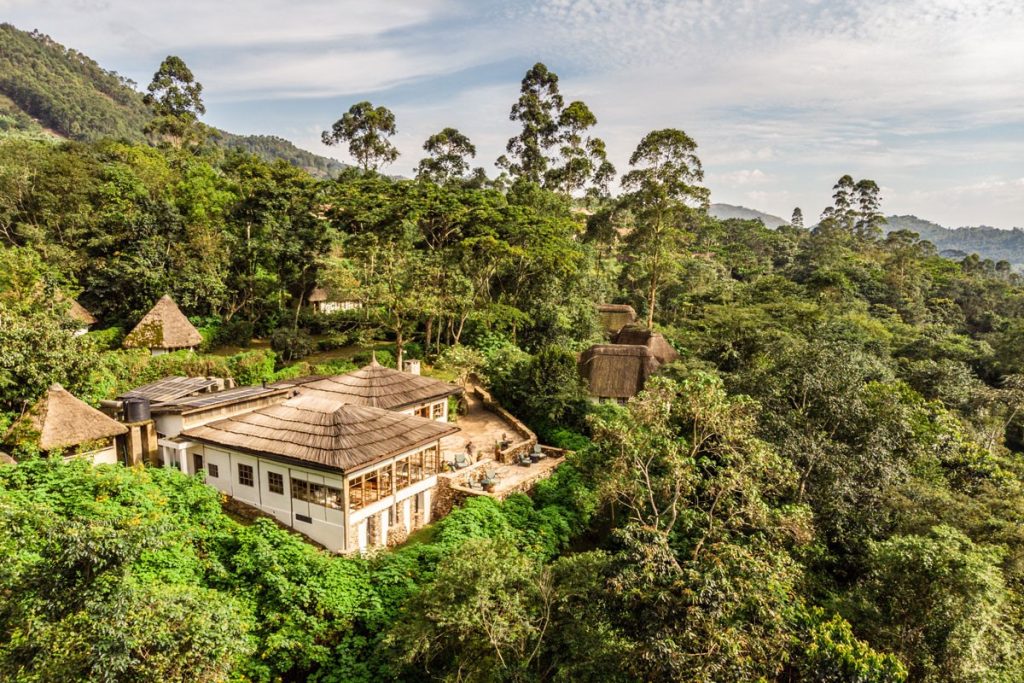
Offers stunning views overlooking the forest, with spacious rooms, excellent service, and great amenities. Ideal for travelers wanting comfort close to nature. - Nkuringo Bwindi Gorilla Lodge
Known for luxury tents and eco-friendly design, nestled in the forest edge with easy access to gorilla trekking starting points. - Clouds Mountain Gorilla Lodge
Provides upscale accommodation with panoramic views of the mountains and forest, great for wildlife enthusiasts who want a lavish experience.
- Mid-Range Lodges and Guesthouses
- Bwindi Guesthouse
Comfortable, clean, and affordable, located near the park entrance. Offers simple rooms with good hospitality. - Engagi Lodge
A popular choice for budget-conscious travelers, combining comfort with good access to trekking trails. - Buhoma Community Rest Camp
Community-run accommodation that supports local people, offering basic but cozy rooms with an authentic cultural experience.
- Budget Options and Campsites
- Bwindi Forest Camp
A campsite with tents, suitable for adventurers and backpackers who want to be close to nature without spending much. - Nkuringo Campsite
Provides a simple camping experience near the Nkuringo sector, ideal for travelers on a tight budget who want an immersive forest stay.
Things to do in Bwindi
- Gorilla Trekking
The most famous activity in Bwindi — tracking mountain gorillas in their natural habitat. It’s a once-in-a-lifetime experience to spend time observing these gentle giants up close. Permits are required and limited daily.
- Bird Watching
Bwindi is a birdwatcher’s paradise with over 350 bird species, including rare and endemic ones like the African green broadbill and the Grauer’s swamp warbler.
- Nature Walks and Hiking
Explore the forest on guided nature walks. You can hike various trails that showcase Bwindi’s incredible biodiversity, waterfalls, and stunning scenery.
Day trip from Bwindi
- Mgahinga Gorilla National Park
Just about 1–2 hours’ drive from Bwindi, this park is another excellent gorilla habitat and offers hiking, golden monkey tracking, and stunning views of the Virunga Volcanoes. Perfect for a day of wildlife and scenery.
- Lake Mutanda
Around 1.5 to 2 hours from Bwindi, Lake Mutanda is a peaceful spot for canoeing, bird watching, and relaxing by the water with views of the Rwenzori Mountains.
- Kabale Town
About an hour away, Kabale is a bustling town with markets, local crafts, and nice cafés. It’s a good spot to experience Ugandan town life and pick up souvenirs.