
Introduction
The South Pole is the southernmost point on Earth, located on the continent of Antarctica. It sits on a vast ice sheet about 2,800 meters (9,200 feet) thick. Unlike the North Pole, which is in the Arctic Ocean, the South Pole is on solid land covered by ice. It experiences extremely cold temperatures, strong winds, and six months of continuous daylight in summer and six months of darkness in winter. The South Pole is important for scientific research, especially climate studies and astronomy, and it is home to the Amundsen-Scott South Pole Station, a research facility operated by the United States.
- Introduction to the South Pole
The South Pole, located at 90° south latitude, is the southernmost point on Earth and a symbol of human exploration and scientific endeavor. Situated on the continent of Antarctica, this remote and icy wilderness is unlike any other place on the planet. Traveling to the South Pole is considered one of the ultimate adventures, attracting explorers, scientists, and thrill-seekers who wish to experience its vast, silent expanses and extreme environment. Despite its harshness, the South Pole holds a magnetic allure for those drawn to the unknown and the extremes of nature.
- Geography and Climate
The South Pole sits atop a thick ice sheet, roughly 2,800 meters (9,200 feet) deep, covering the land beneath. Unlike the Arctic, which is ocean surrounded by land, Antarctica is a frozen continent surrounded by the Southern Ocean. The climate is brutally cold, with temperatures that can plunge below -60°C (-76°F) during winter and hover around -25°C (-13°F) in the summer months. Strong katabatic winds frequently sweep across the ice, making conditions even more challenging. The South Pole experiences six months of continuous daylight in summer and six months of darkness in winter, adding to the unique experience of travel here.
- Importance of the South Pole
The South Pole is not just a geographic landmark; it is a hub for scientific research that has global implications. The Amundsen-Scott South Pole Station, operated by the United States, is one of the key research stations on the continent. Scientists here study climate change, glaciology, astrophysics, and atmospheric sciences. The pristine conditions make it an ideal place for observing cosmic microwave background radiation and other phenomena invisible from other locations on Earth. Visiting the South Pole offers a glimpse into cutting-edge science and the ongoing efforts to understand our planet and universe better.
- How to Get There
Reaching the South Pole is no simple feat. Most travelers first fly to Antarctica, usually landing on research bases like McMurdo Station or Union Glacier Camp. From there, specialized flights or overland expeditions carry visitors to the South Pole itself. Because of the extreme conditions and remote location, only a handful of companies offer commercial trips, and these are usually limited in number and availability. Travel windows are short, primarily during the Antarctic summer (November to January), when conditions are slightly less severe and daylight is continuous.
- Types of Travel Experiences
Travel to the South Pole can range from luxury expeditions to rugged adventure treks. Some visitors arrive via specially equipped aircraft, landing on ice runways, and stay at research stations or temporary camps. Others undertake challenging ski or sled expeditions, traveling overland for weeks or months. There are also cruise options that reach the Antarctic Peninsula but do not typically go all the way to the Pole due to the harsh environment. Each type of trip requires different levels of physical fitness, preparation, and tolerance for cold and isolation.
- Preparation and Gear
Traveling to the South Pole demands meticulous preparation. The extreme cold, wind, and remote setting mean travelers must bring specialized clothing and equipment. Insulated and layered clothing, high-quality thermal wear, windproof outer layers, and sturdy boots are essential. Other gear includes sunglasses or goggles to protect against snow blindness, sunscreen, and survival equipment. Because the environment is fragile and resources are limited, travelers must also be trained in environmental stewardship and safety protocols, including how to avoid disturbing wildlife and handling emergencies in isolated conditions.
- Physical and Mental Challenges
The journey to the South Pole tests both physical endurance and mental resilience. The cold and altitude (the Pole sits at around 2,800 meters above sea level) can cause altitude sickness, frostbite, and fatigue. The monotony of the endless ice, coupled with the isolation and darkness (if visiting during winter), can also affect mental health. Travelers need to be prepared for the psychological challenges of isolation, limited communication, and the need for teamwork in harsh conditions. Proper acclimatization, physical conditioning, and mental preparation are key to a successful expedition.
- Wildlife and Environment
While the South Pole itself is a barren ice desert with no permanent wildlife, the broader Antarctic region is home to a surprising variety of species. Around the coasts, penguins, seals, whales, and seabirds thrive. Traveling to the Pole means passing through or near these ecosystems, so respecting and protecting this fragile environment is paramount. Antarctica is governed by international treaties that emphasize conservation and scientific cooperation, and travelers are expected to adhere strictly to guidelines designed to minimize human impact on the pristine landscape.
- Unique Experiences and Highlights
Traveling to the South Pole offers unforgettable experiences that few other places on Earth can match. Witnessing the surreal landscape of endless ice under the midnight sun, standing on the exact spot of the Pole, and experiencing the vast silence of Antarctica are profound moments. Visitors may also participate in ceremonial flag-planting, observe scientific operations, and engage with fellow explorers and researchers. The sense of accomplishment and awe at visiting such a remote frontier often leads to a deep appreciation of our planet’s extremes and beauty.
- Conclusion: The Legacy of a South Pole Journey
A journey to the South Pole is more than just a travel destination — it is a testament to human curiosity, resilience, and the spirit of exploration. Whether for science, adventure, or personal challenge, visiting the South Pole leaves an indelible mark on those who undertake it. It inspires greater awareness of climate change and environmental stewardship and reminds us of the vast, untouched wildernesses still remaining on Earth. For many, the trip is life-changing, combining awe-inspiring natural beauty with the thrill of pushing human limits in one of the most extreme environments on the planet.
Where to stay in South Pole
- Amundsen-Scott South Pole Station
This is the main and only permanent research station located directly at the South Pole. The United States Antarctic Program operates it. The station is equipped with living quarters, laboratories, communication facilities, and support for scientists and staff. Visitors on scientific or specialized tourist expeditions sometimes stay here, but it’s not a hotel — accommodations are basic, shared, and designed for functionality, not luxury.
- Field Camps / Temporary Camps
For those on expedition-style journeys, especially ski or overland treks, temporary camps are set up using tents or portable shelters. These camps are basic and designed for short stays with minimal amenities. They provide shelter from the extreme weather but require travelers to be self-sufficient and prepared for camping in very cold conditions.
- Research Stations Elsewhere in Antarctica
Many travelers start their journey from larger research stations like McMurdo Station (U.S.) or Union Glacier Camp (private logistics camp in Antarctica). These stations offer more extensive facilities, including dormitories, dining halls, and some amenities, but they are not located at the Pole itself. They serve as jumping-off points for flights or expeditions to the South Pole.
Things to do in South Pole
- Stand on the Geographic South Pole
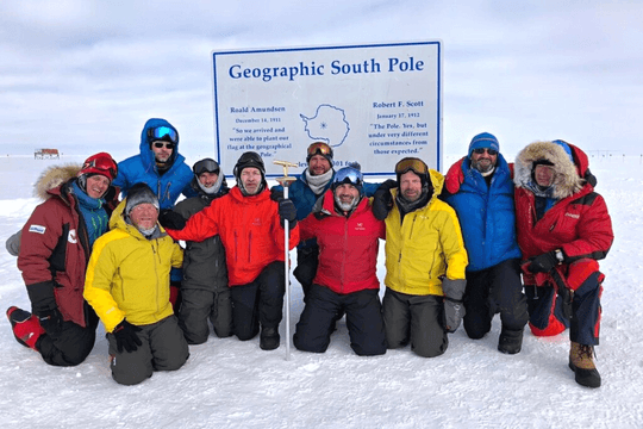
The ultimate highlight is simply standing at the exact point where all lines of longitude converge—the southernmost tip of the Earth. It’s a powerful and symbolic experience.
- Visit the Amundsen-Scott South Pole Station
Tour the iconic research station, learn about ongoing scientific projects, and meet researchers living and working in one of the most extreme environments on Earth.
- Plant a Flag or Take Photos at the South Pole Marker
Many travelers document their visit by posing with the ceremonial South Pole marker — a striped red and white pole marking the spot.
Day trip from South Pole
- Visit the Geographic South Pole Marker
Even if you’re based at the Amundsen-Scott Station, a short trip outside to the actual marked point of the geographic South Pole is a classic “day trip” destination. It’s just a short distance from the station and a must-see spot.
- Explore the Surrounding Ice Fields
Take a guided walk or ski tour around the immediate area near the station to experience the endless ice plains, crevasse fields, and unique Antarctic landscapes.
- Photography Excursions
The stark beauty of the Antarctic ice, the station’s structures, and the horizon under the endless daylight provide fantastic photo opportunities within a day’s outing.