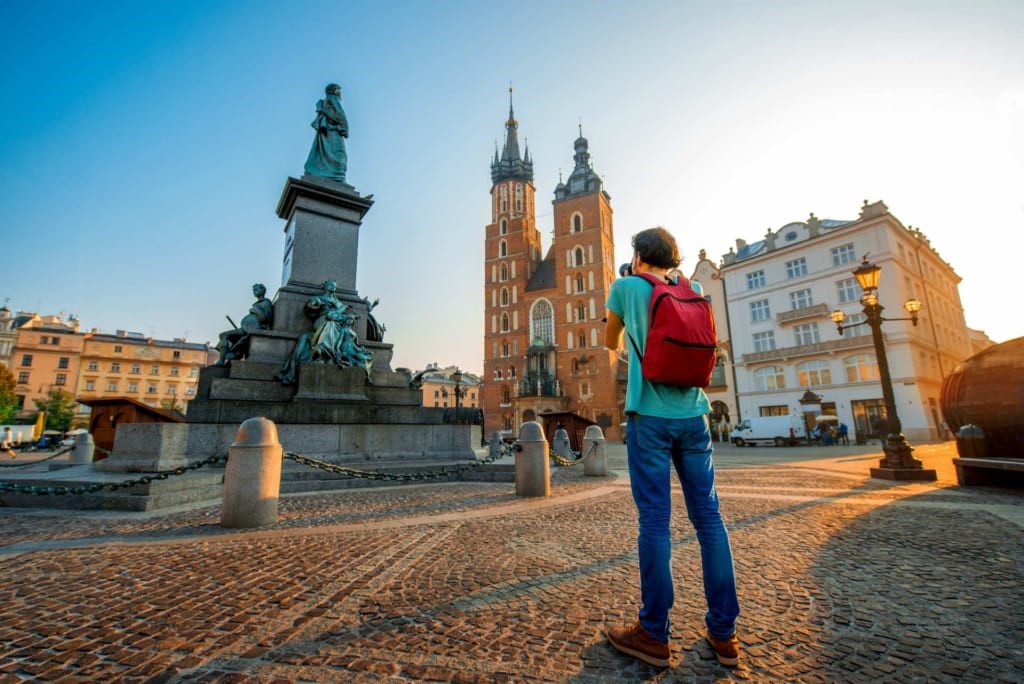

- Know Before You Go: Research Your Destination
Europe is made up of over 40 countries, each with its own laws, customs, and risks. Before you set foot on foreign soil, take time to learn about:
- Local laws and customs: What’s acceptable in one country might be frowned upon—or illegal—in another.
- Current political or social situations: Check travel advisories from your government or reliable travel websites.
- Weather and climate: This affects what you pack and how you plan your activities.
- Scam alerts: Tourist hotspots are breeding grounds for pickpockets and scammers.
Pro Tip: Bookmark your embassy’s contact info and the local emergency number (112 is the universal emergency number in the EU).
- Secure Your Travel Documents
Passports, visas, and IDs are your golden tickets in Europe. Keep them safe:
- Make digital and physical copies of all important documents.
- Use a money belt or a neck pouch to carry your passport and cash securely.
- Store originals in a hotel safe whenever possible.
If your passport is lost or stolen, having copies will make replacement easier and quicker at your embassy.
- Travel Insurance Is a Must
Think of travel insurance as your safety net. It can cover:
- Medical emergencies
- Trip cancellations
- Lost or stolen belongings
- Emergency evacuations
Medical treatment in Europe can be expensive for non-residents. A few dollars spent on insurance can save you thousands down the line.
Bonus Tip: Ensure your insurance covers adventure sports if you plan activities like skiing, hiking, or scuba diving.
- Stay Connected with Trusted Apps
Technology is your friend while traveling. Download these useful apps before your trip:
- Google Maps or Maps.me: Navigate cities with ease, even offline.
- WhatsApp or Signal: Stay in touch with loved ones for free over Wi-Fi.
- Google Translate: Break the language barrier.
- TripIt or TravelSpend: Manage itineraries and budgets.
And don’t forget a portable power bank—especially if you rely on your phone for directions and bookings.
- Beware of Common Scams
Europe is relatively safe, but petty crime exists, especially in major tourist destinations like Paris, Rome, and Barcelona. Watch out for:
- Pickpockets in crowded places and public transportation.
- “Friendship bracelet” scam: Someone offers you a bracelet as a “gift” then demands money.
- Fake petitions: Often a distraction to pick your pocket.
- Unlicensed taxis: Always use official taxi services or rideshare apps.
Pro Tip: If a situation feels off, trust your instincts and walk away.
- Use Money Wisely and Safely
Here’s how to keep your cash and cards safe:
- Use a combination of cash and cards.
- Inform your bank of your travel plans to avoid blocked transactions.
- Withdraw cash only from ATMs inside banks, not from random ones on the street.
- Avoid flashing cash or valuables in public.
Consider using a currency conversion app so you’re not overpaying or falling for scams.
- Dress Smartly and Respectfully
Europe is fashion-forward, but modesty and respect go a long way—especially in religious or conservative areas. Dressing like a local helps you:
- Blend in and avoid being targeted as a tourist
- Show respect in churches, mosques, or synagogues
- Pack smarter and lighter
Also, wear comfortable walking shoes—you’ll thank yourself on those cobblestone streets.
- Be Vigilant in Public Transportation
Europe’s trains, trams, and buses are efficient, but crowded systems are prime spots for theft.
- Keep backpacks in front of you.
- Don’t leave bags unattended—even for a second.
- Avoid sleeping on public transport with your belongings unsecured.
- Only accept help from official staff or vendors.
Traveling by train? Always validate your ticket if required—some countries fine travelers for unvalidated tickets.
- Stay in Safe Accommodations
Choose accommodations with good reviews and safety features like:
- 24/7 front desk or security
- Safe deposit boxes
- Central, well-lit locations
Use platforms like Booking.com, Airbnb, or Hostelworld to filter by safety features and ratings. If you’re traveling solo, let someone know where you’re staying.
- Stay Aware During Nightlife
Europe’s nightlife is legendary—from Berlin’s clubs to the pubs of Dublin. Enjoy responsibly:
- Watch your drink and never leave it unattended.
- Don’t accept drinks from strangers.
- Have a buddy system or stick to groups.
- Plan your way home in advance—avoid wandering late at night alone.
Keep your phone charged and know where the nearest taxi stand or public transport stop is.
- Respect Local Culture and Etiquette
Cultural respect goes hand in hand with safety. Offending someone can sometimes escalate a situation. Follow local etiquette such as:
- Greeting with “bonjour,” “hola,” or “ciao” depending on the country.
- Tipping appropriately.
- Not speaking loudly in quiet places like churches or public transit.
Being polite and open-minded earns you goodwill—and helpful locals!
- Health and Hygiene Awareness
Carry a small health kit with:
- Prescribed medications
- Over-the-counter meds for headaches, upset stomach, or allergies
- Hand sanitizer and face masks
In the post-pandemic world, some places may still have mask mandates or require hand sanitizing upon entry. Check local health guidelines for your destination.
- Solo Travel Safety Tips
If you’re traveling solo:
- Share your itinerary with friends or family.
- Check in regularly with someone back home.
- Stay in public areas and avoid sketchy neighborhoods at night.
- Join guided tours if you want a safer way to explore off-the-beaten-path spots.
Solo travel in Europe can be incredibly rewarding—but awareness is key.
- Emergency Numbers and Contacts
Know what to do if something goes wrong:
- 112 is the emergency number in the EU for police, fire, and ambulance.
- Embassy or consulate: Save the address and phone number.
- Lost or stolen cards: Contact your bank immediately to freeze them.
Also, consider registering with your embassy if your government offers a traveler registration program.
- Pack Smart and Light
When you pack light, you:
- Move around more easily
- Reduce the risk of losing items
- Avoid extra baggage fees on budget airlines
Stick to essentials, avoid flashy jewelry, and use anti-theft bags when exploring.