
Introduction
Australia is a vast island continent located in the Southern Hemisphere, known for its diverse landscapes, unique wildlife, and multicultural cities. It is the world’s sixth-largest country by land area, featuring everything from tropical rainforests and arid deserts to pristine beaches and modern urban centers. Famous for landmarks such as the Sydney Opera House, the Great Barrier Reef, and Uluru, Australia is a popular destination for nature lovers, adventure seekers, and cultural explorers.
- Geographical Location and Landscape
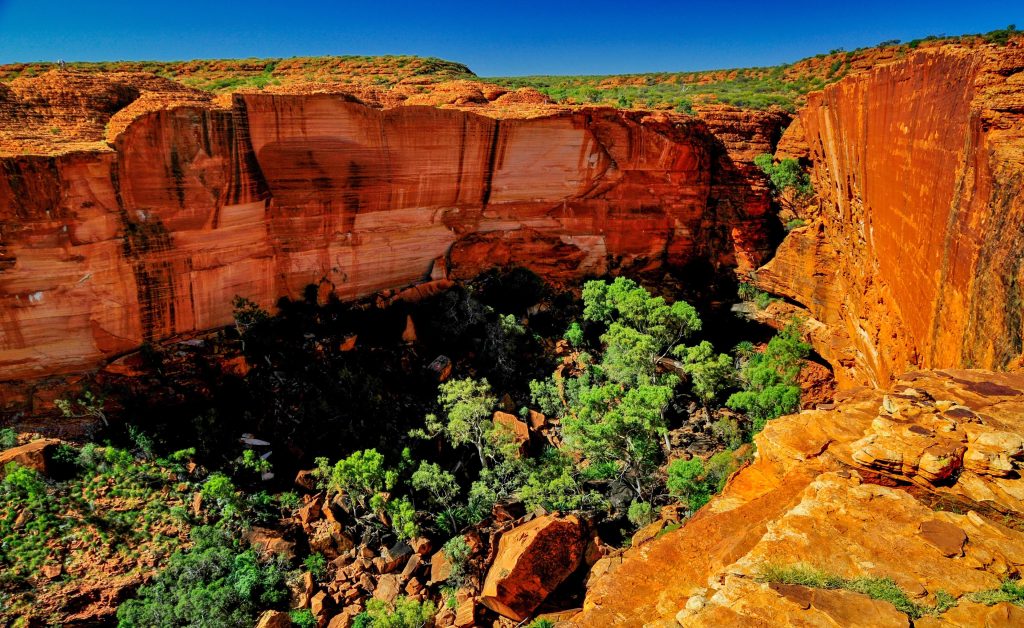
The Red Centre is located in the southern part of the Northern Territory, often referred to as the “heart of Australia.” This vast, arid region is named for its striking red soil and rock formations, which are rich in iron oxide and glow vividly under the desert sun. Characterized by dramatic deserts, ranges, and gorges, the Red Centre covers a significant portion of Central Australia. Its remote location and sparse population make it one of the most isolated yet awe-inspiring destinations on Earth.
- Uluru – The Spiritual Heart of Australia
Perhaps the most iconic feature of the Red Centre is Uluru (Ayers Rock). Rising 348 meters from the desert floor, this massive sandstone monolith is sacred to the Anangu people, the traditional owners of the land. Uluru is famous for its changing colors at sunrise and sunset, which draw thousands of visitors each year. Beyond its beauty, Uluru holds deep cultural significance, with ancient rock art and sacred sites that are central to Aboriginal belief systems known as Tjukurpa (Dreamtime stories).
- Kata Tjuta – The Olgas
Not far from Uluru lies Kata Tjuta, also known as The Olgas, a group of 36 large, domed rock formations. These majestic geological structures are equally significant to the local Anangu people and are part of the Uluru-Kata Tjuta National Park. Visitors can explore the Valley of the Winds walking trail, which offers sweeping views and a close-up experience of the area’s natural beauty. Kata Tjuta means “many heads” in the local language, a fitting description for its towering, rounded formations.
- Alice Springs – The Gateway to the Red Centre
Alice Springs is the main urban center in Central Australia and serves as the primary gateway for exploring the Red Centre. Surrounded by the MacDonnell Ranges, this small town blends modern facilities with a strong connection to Aboriginal culture and outback heritage. It offers access to art galleries, historical sites, and local markets, and serves as a base for trips to nearby attractions. Despite its remoteness, Alice Springs is a vibrant community with deep cultural roots and a resilient spirit.
- Aboriginal Culture and History
The Red Centre is a living museum of Aboriginal culture, with Indigenous communities having inhabited the region for tens of thousands of years. The stories, languages, and customs of groups like the Anangu, Arrernte, and Luritja remain an essential part of the region’s identity. Visitors can engage with Aboriginal culture through guided tours, cultural centers, and art exhibitions. These experiences offer insight into traditional knowledge, bush tucker, and dreamtime narratives, which remain vital to the spiritual life of the land.
- Unique Flora and Fauna
Despite its arid conditions, the Red Centre hosts a surprising variety of plant and animal life. Spinifex grasses, desert oaks, and ghost gums are among the hardy plants that thrive in the harsh climate. Native animals include red kangaroos, dingoes, perentie lizards, and a wide range of birds such as zebra finches and wedge-tailed eagles. The region also boasts rare and endemic species that have adapted to survive in extreme desert environments, offering rich opportunities for nature lovers and wildlife photographers.
- Kings Canyon and Watarrka National Park
Another must-see destination in the Red Centre is Kings Canyon, located in Watarrka National Park. This deep sandstone canyon features towering walls, lush waterholes, and the famous Rim Walk, a challenging but rewarding hike that offers panoramic views. The canyon also shelters the Garden of Eden, a hidden oasis surrounded by native flora. Kings Canyon holds both ecological and cultural importance and is a perfect example of the Red Centre’s rugged beauty and biodiversity.
- Adventure Tourism and Activities
The Red Centre is a paradise for adventure seekers. Activities such as 4WD outback safaris, hot air ballooning, camel rides, hiking, and stargazing make for unforgettable experiences. Popular trekking routes include the Larapinta Trail, which stretches over 230 kilometers through the West MacDonnell Ranges. The region’s remoteness also makes it one of the best places in the world to see the night sky, with minimal light pollution and crystal-clear air revealing the Milky Way in stunning detail.
- Climate and Best Time to Visit
The Red Centre experiences a desert climate, with hot summers and cool winters. Daytime temperatures can soar above 40°C in summer (December to February), while winter nights (June to August) can drop below freezing. The best time to visit is typically during the cooler months, from April to October, when the weather is more suitable for outdoor exploration. Despite its extremes, the dry climate ensures mostly sunny days and dramatic desert skies that add to the region’s unique atmosphere.
- Conservation and Sustainable Tourism
With increasing numbers of visitors, there is a growing focus on conservation and responsible tourism in the Red Centre. Efforts by Parks Australia, Aboriginal land councils, and ecotourism operators aim to protect the fragile ecosystems and preserve cultural heritage. Tourists are encouraged to follow leave-no-trace principles, respect sacred sites, and support Indigenous-owned businesses. Sustainable tourism not only helps protect the land but also empowers local communities to share their stories and traditions on their own terms.
Where to stay in Australia
- Sydney
- Where to stay: Central Business District (CBD), The Rocks, Darling Harbour, Bondi Beach
- Types: Luxury hotels (e.g., Shangri-La), boutique hotels, serviced apartments, budget hostels
- Why: Close to iconic sights like the Sydney Opera House and Harbour Bridge, plus beaches and vibrant nightlife.
- Melbourne
- Where to stay: CBD, Fitzroy, St Kilda, Southbank
- Types: Trendy boutique hotels, stylish apartments, budget hostels, luxury hotels
- Why: Known for art, cafes, laneways, and cultural events, plus proximity to the Great Ocean Road.
- Great Barrier Reef (Cairns, Port Douglas, Airlie Beach)
- Where to stay: Cairns (for reef tours), Port Douglas (luxury and nature), Airlie Beach (gateway to Whitsundays)
- Types: Resorts, eco-lodges, budget hotels, backpacker hostels
- Why: Access to reef snorkeling/diving and tropical rainforests.
Things to do in Australia
- Explore the Great Barrier Reef
Dive or snorkel among vibrant coral reefs and marine life in the world’s largest coral reef system, located off the coast of Queensland.
- Visit Sydney’s Iconic Landmarks
Climb the Sydney Harbour Bridge, tour the Sydney Opera House, and relax at Bondi or Manly Beach.
- Experience the Outback and Uluru
See the stunning red rock monolith Uluru at sunset, learn about Aboriginal culture, and explore the nearby Kata Tjuta rock formations.
Day trip from Australia
From Sydney:
Blue Mountains National Park
Just about 1.5–2 hours west of Sydney, the Blue Mountains offer stunning cliffs, waterfalls, and eucalyptus forests. Highlights include the Three Sisters rock formation, Scenic World rides, and walking trails like the Wentworth Falls track.
From Melbourne:
Phillip Island
Around 90 minutes from Melbourne, Phillip Island is famous for its nightly Penguin Parade, where you can watch little penguins waddle ashore. You’ll also find koalas, beautiful beaches, and the rugged Nobbies coastline.
From Brisbane:
Moreton Island
Just an hour’s ferry ride from Brisbane, Moreton Island is a sand island with amazing snorkelling, sand dunes for tobogganing, and dolphin feeding at Tangalooma Resort.