
Introduction
Tanzania is a country in East Africa known for its diverse wildlife, stunning landscapes, and rich cultural heritage. It is home to famous natural attractions like Mount Kilimanjaro, the Serengeti National Park, and the Ngorongoro Crater. Tanzania’s economy is largely based on agriculture, tourism, and mining, and it’s known for its friendly people and vibrant cultures.
- Formation and Geological Origin
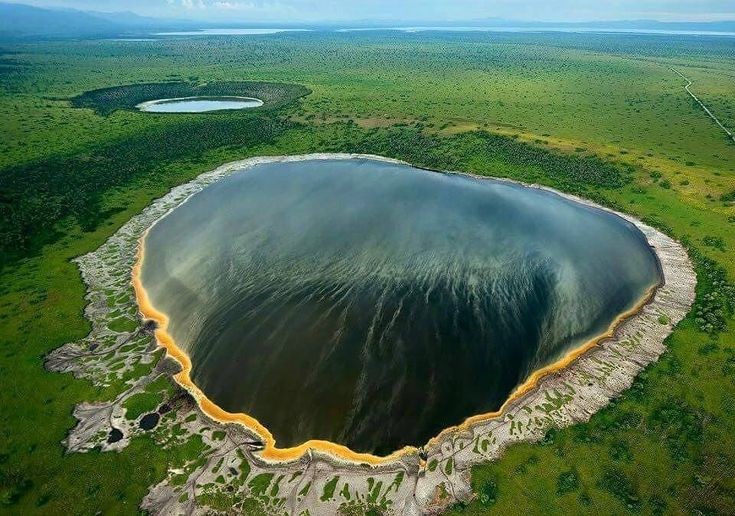
Ngorongoro Crater is a massive volcanic caldera located in northern Tanzania, formed about two to three million years ago. It was created when a large volcano, estimated to have been as tall as Mount Kilimanjaro, exploded and then collapsed in on itself. This collapse formed a bowl-shaped depression roughly 20 kilometers in diameter and 600 meters deep. The geological process behind the crater’s formation makes it one of the largest intact calderas in the world, giving it a unique and dramatic landscape.
- Location and Size
Situated within the Ngorongoro Conservation Area, the crater covers approximately 260 square kilometers. It lies just west of the Serengeti National Park and near Lake Manyara National Park, making it part of a larger ecosystem rich in biodiversity. The crater floor spans about 265 square kilometers, which is larger than the entire city of New York. This vast size supports a diverse range of habitats, from open grasslands to dense forests and freshwater lakes.
- Biodiversity and Wildlife
Ngorongoro Crater is famous for its extraordinary biodiversity. It is home to an estimated 25,000 large animals, including the iconic African “Big Five”: lions, elephants, buffalo, leopards, and rhinoceroses. The crater also supports hippos, hyenas, zebras, wildebeest, and hundreds of bird species. Because it is enclosed by steep walls, many animals are naturally confined within the crater, creating an ecosystem unlike any other in the world.
- Conservation and Protection
The crater is part of the Ngorongoro Conservation Area, which is managed by the Ngorongoro Conservation Area Authority (NCAA). The area is a UNESCO World Heritage Site, recognized for both its natural beauty and cultural significance. Conservation efforts focus on preserving wildlife while allowing limited human habitation and sustainable tourism. This balance helps protect the environment while supporting local communities.
- The Maasai People and Cultural Significance
Ngorongoro is not only important for wildlife but also for the Maasai people, a semi-nomadic pastoralist community who have lived in the region for centuries. The Maasai coexist with wildlife, grazing their cattle on the crater’s rim and surrounding lands. Their presence contributes to the cultural richness of the area, and their traditional practices have played a role in maintaining the natural balance of the ecosystem.
- Unique Ecosystem and Habitat Types
Within the crater, there are varied habitats including grasslands, swamps, forests, and a soda lake called Lake Magadi. This diversity supports different animal species adapted to specific environments. For example, the hippos thrive in the crater’s lakes, while lions and hyenas prefer the open plains. This habitat variety makes Ngorongoro a microcosm of the East African savannah and a valuable site for ecological study.
- Tourist Attraction and Safari Destination
Ngorongoro Crater is one of Tanzania’s top tourist destinations. Its accessibility and dense wildlife populations allow visitors to experience close-up game drives in a relatively small area. Tourists often combine trips to Ngorongoro with visits to the Serengeti and other nearby parks. The crater’s dramatic scenery and abundance of animals offer unforgettable safari experiences, making it a key contributor to Tanzania’s tourism economy.
- Scientific Research and Ecological Studies
The crater is an important site for scientific research, particularly in the fields of ecology, geology, and conservation biology. Researchers study animal behavior, population dynamics, and habitat use, benefiting from the crater’s relatively isolated and contained environment. Long-term monitoring in Ngorongoro helps improve understanding of wildlife management and the impact of climate change on ecosystems.
- Challenges and Threats
Despite its protected status, Ngorongoro faces several challenges, including human-wildlife conflict, poaching, and pressures from increasing tourism. The growing population of Maasai and other residents around the crater also creates tensions over land use and resources. Conservation authorities work continuously to address these issues through community engagement, anti-poaching patrols, and sustainable tourism practices.
- Future Prospects and Sustainable Development
Looking ahead, the future of Ngorongoro Crater depends on balancing conservation with the needs of local people and tourism growth. Sustainable development initiatives focus on eco-friendly tourism, education, and supporting Maasai livelihoods. By fostering cooperation between stakeholders and protecting the environment, Ngorongoro aims to remain a global symbol of natural heritage and a thriving wildlife sanctuary for generations to come.
Where to stay in Tanzania
- Arusha
- Often the gateway city for safaris in northern Tanzania.
- Options range from comfortable hotels like Arusha Serena Hotel to budget guesthouses.
- Good base for exploring Mount Meru and nearby parks.
- Serengeti National Park
- Famous for the Great Migration and abundant wildlife.
- Luxury lodges include Four Seasons Safari Lodge Serengeti and Serengeti Serena Safari Lodge.
- Mobile tented camps are also popular for an authentic safari feel.
- Ngorongoro Conservation Area
- Lodges with crater views like Ngorongoro Serena Safari Lodge and Ngorongoro Sopa Lodge are great picks.
- There are also more affordable campsites and tented camps around the crater rim.
Things to do in Tanzania
- Go on a Safari in the Serengeti National Park
Experience the world-famous Great Migration and see the Big Five—lion, elephant, buffalo, leopard, and rhinoceros—in one of Africa’s most iconic wildlife reserves.
- Visit the Ngorongoro Crater
Explore this vast volcanic caldera teeming with wildlife. It’s a unique natural enclosure where animals thrive and visitors can enjoy breathtaking views.
- Climb Mount Kilimanjaro
Challenge yourself with a trek up Africa’s highest mountain. Various routes cater to different experience levels, offering stunning scenery along the way.
Day trip from Tanzania
- Day Trip to Ngorongoro Crater from Arusha
A full-day safari into the Ngorongoro Crater offers incredible wildlife viewing in a stunning volcanic caldera. You can spot lions, elephants, rhinos, and more—all in one day. It’s about a 3-4 hour drive each way from Arusha, so it’s a long but very rewarding day.
- Visit Lake Manyara National Park
From Arusha, a day trip to Lake Manyara is popular for spotting tree-climbing lions, flamingos, baboons, and hippos. The park’s diverse habitats and scenic views of the Rift Valley make it a great wildlife and nature outing.
- Cultural Visit to a Maasai Village
Take a half or full-day trip to visit a Maasai community near Arusha or Karatu. Learn about their traditional lifestyle, see their beadwork, and enjoy authentic cultural interactions.