
Introduction
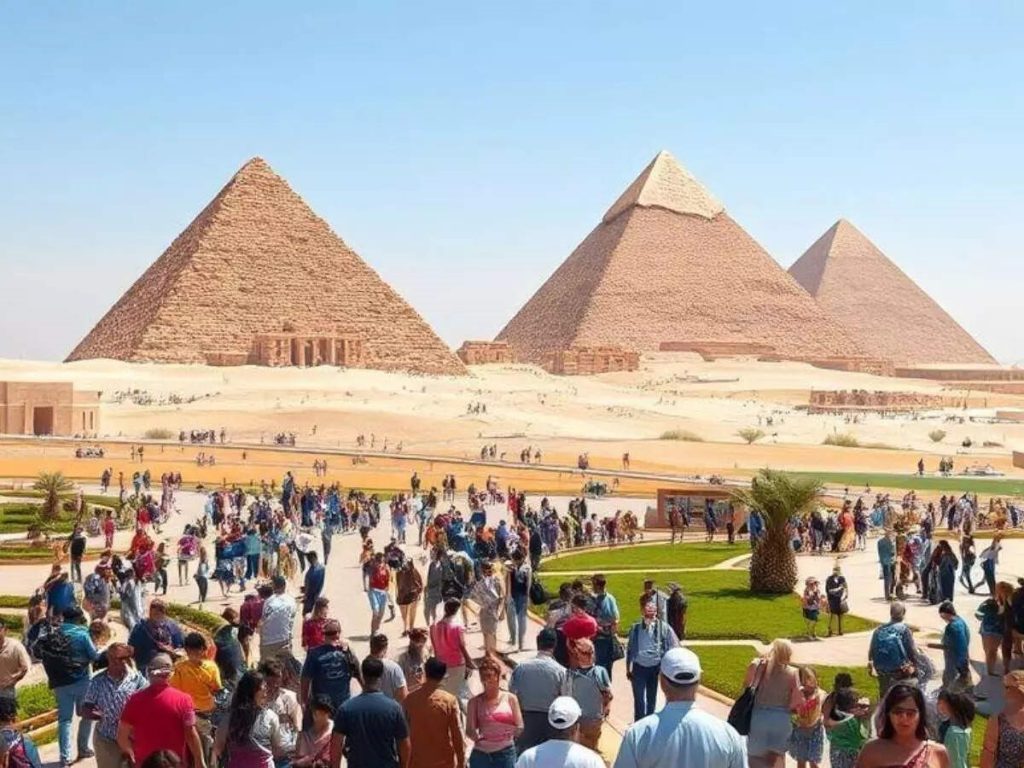
Giza is a city in Egypt located on the west bank of the Nile River, just outside of Cairo. It’s most famous for being home to the Great Pyramids of Giza—the last surviving Wonder of the Ancient World—and the iconic Sphinx. Giza was part of ancient Memphis, Egypt’s capital during the Old Kingdom, and it served as a major royal necropolis. Today, it is a popular tourist destination where visitors can explore the pyramids, ancient tombs, and nearby museums.
- Plan Your Visit for the Best Time of Year
The climate in Giza is generally hot and dry, especially during the summer months (June to August), when temperatures can soar above 40°C (104°F). For a more comfortable experience, consider visiting during the cooler months from October to April. Early mornings or late afternoons are also ideal times to avoid the midday heat and large crowds. Visiting at sunset can provide stunning views and unique photo opportunities of the pyramids silhouetted against the sky. - Purchase Tickets in Advance and Know the Entry Fees
To avoid long queues and ensure a smooth visit, it’s advisable to buy your entrance tickets ahead of time when possible. Tickets can be purchased at the entrance or through authorized online platforms. The general admission ticket covers access to the pyramid complex but does not include entry inside the pyramids, which requires a separate ticket and is limited in number. Keep in mind that prices vary for locals, residents, and foreign tourists, so check current rates before your trip. - Hire a Knowledgeable Guide or Join a Tour Group
While it’s possible to explore the pyramids on your own, hiring a local guide or joining a tour group can greatly enhance your experience. Guides provide historical context, explain the significance of various structures, and share fascinating stories about the ancient Egyptians. A good guide can also help you navigate the site efficiently and keep you safe from common tourist scams. - Dress Appropriately for the Climate and Culture
The Giza plateau is exposed to the desert sun, so dressing in lightweight, breathable fabrics is crucial. Long sleeves and pants are recommended to protect your skin from sunburn and insect bites. Comfortable walking shoes are a must, as you’ll be on your feet exploring uneven terrain. Also, be respectful of local customs by avoiding overly revealing clothing, especially for women. Bringing a wide-brimmed hat, sunglasses, and plenty of sunscreen will help protect you during your visit. - Stay Hydrated and Bring Snacks
Exploring the vast pyramid complex can be physically demanding, particularly in hot weather. Carry a refillable water bottle to stay hydrated throughout your visit. While there are vendors near the site selling drinks and snacks, prices can be high and items limited. Packing light snacks like nuts or fruit can keep your energy up without having to leave the area. Remember, it’s important to keep the site clean, so avoid leaving trash behind. - Be Prepared for Crowds and Tourist Hassles
The Great Pyramids of Giza attract millions of visitors each year, so expect crowds, especially during peak tourist seasons. The entrance area and popular spots around the pyramids can get busy. Additionally, be cautious of persistent vendors and camel or horse riders offering rides—while some can be friendly, others may pressure you or overcharge. Politely but firmly declining offers and setting clear boundaries will help you avoid unwanted hassle. - Don’t Miss Exploring Inside the Pyramids
For a unique experience, consider purchasing tickets to enter at least one of the pyramids—usually the Great Pyramid of Khufu or the Pyramid of Khafre. The interior passages are narrow, steep, and can be quite dark and cool, providing a stark contrast to the desert outside. Due to limited daily tickets, it’s best to book early. Keep in mind that climbing inside is physically demanding and may not be suitable for everyone, especially those with claustrophobia or mobility issues. - Capture Memories but Respect the Site
Photography is allowed throughout the Giza plateau, and the pyramids provide breathtaking photo opportunities. Sunrise and sunset are especially magical for pictures. However, be respectful: avoid climbing on the monuments, touching fragile structures, or defacing the site in any way. Drones are generally prohibited, and tripods may require permission. Always check current regulations to ensure your photography does not disrupt other visitors or damage this ancient heritage. - Explore Surrounding Attractions and Museums
The pyramids are just one part of the rich cultural experience in Giza. Nearby attractions such as the Great Sphinx, the Solar Boat Museum, and the Egyptian Museum of Cairo add layers of understanding to your visit. The museum near the pyramids houses the ancient solar boat of Khufu, a fascinating artifact. Planning extra time to explore these sites can deepen your appreciation of ancient Egyptian civilization. - Safety and Health Precautions
While the Giza plateau is generally safe for tourists, it’s wise to take basic precautions. Stay aware of your belongings to avoid petty theft, and avoid wandering off alone into less crowded areas. Drinking bottled water and practicing good hygiene can help prevent travel-related illnesses. If you’re traveling during the hotter months, watch for signs of heat exhaustion and take breaks in shaded areas. Having travel insurance and emergency contact information is always recommended.
Where to stay in Giza
- Near the Pyramids (Giza Plateau Area)
Staying close to the pyramids means you can enjoy early morning or late evening visits without long commutes. This area has several hotels and guesthouses offering views of the pyramids.
- Marriott Mena House: A historic luxury hotel just steps from the pyramids, famous for its lush gardens and stunning views.
- Steigenberger Pyramids Cairo: Offers modern amenities and pyramid views, located a short drive from the site.
- Pyramids View Inn: A budget-friendly option with rooftop terraces offering direct views of the pyramids.
- Giza City Center
Giza city offers a wider range of accommodations with more local vibes and amenities, including restaurants and markets. It’s about a 10-20 minute drive to the pyramids.
- Le Meridien Pyramids Hotel & Spa: Luxurious and family-friendly with pools and excellent services.
- Safir Hotel Cairo: Mid-range hotel with convenient access to Giza attractions and Cairo.
- Cairo (Nearby)
Many travelers prefer staying in Cairo for its variety of hotels, nightlife, and museums. The pyramids are around 20-30 minutes away by car.
- Kempinski Nile Hotel Cairo: Luxury riverside hotel in Cairo with excellent amenities.
- Hotel Novotel Cairo El Borg: A comfortable mid-range hotel near downtown Cairo.
- Budget options in Downtown Cairo: Hostels and guesthouses in downtown offer affordable stays with easy access to both Cairo and Giza.
Things to do in Giza
- Explore the Great Pyramids of Giza
Of course, the main highlight! Walk around the three main pyramids — Khufu, Khafre, and Menkaure — marvel at their ancient engineering, and soak in the history.
- Visit the Great Sphinx
Just a short walk from the pyramids, the Sphinx is a massive limestone statue with the body of a lion and the head of a Pharaoh. Learn about its mysterious origins and symbolism.
- Enter the Pyramids
For a unique experience, buy a ticket to go inside the Great Pyramid or the Pyramid of Khafre. Navigate narrow passageways and chambers, feeling the ancient history up close.
Day Trip from Giza
Morning:
- Start at the Great Pyramids and the Sphinx
Spend your early morning exploring the pyramids and the Sphinx while the crowds are smaller and the temperature cooler. Take your time wandering the plateau and, if you like, enter one of the pyramids (buy tickets in advance). - Visit the Solar Boat Museum
Right next to the Great Pyramid, this fascinating museum houses the ancient reconstructed solar boat of Pharaoh Khufu. It’s a quick visit but very insightful.
Midday:
- Head to the Egyptian Museum in Cairo
About a 30-minute drive from Giza, the Egyptian Museum holds an incredible collection of artifacts, including King Tutankhamun’s treasures and mummies. Spend 2-3 hours here to soak in Egypt’s rich history. - Lunch in Downtown Cairo
Stop at a local restaurant for authentic Egyptian dishes like koshari, falafel, or grilled kebabs.
Afternoon:
- Explore Islamic Cairo or Coptic Cairo
Depending on your interest, visit the historic Islamic Cairo area — the Khan El Khalili bazaar for shopping and vibrant street life, or head to Coptic Cairo to see ancient churches and the Hanging Church.
Evening:
- Return to Giza for the Sound and Light Show at the Pyramids
Wrap up your day with the mesmerizing Sound and Light Show, where the story of the pyramids is narrated against a spectacular illuminated backdrop.