
Introduction
Skopje is the capital and largest city of North Macedonia, known for its unique blend of history, culture, and modern architecture. It sits along the Vardar River and features landmarks like the Stone Bridge, Kale Fortress, and the vibrant Old Bazaar. The city is also the birthplace of Mother Teresa. Skopje has undergone major redevelopment, with neoclassical buildings and grand statues giving it a distinctive look. It’s a city where East meets West, offering a mix of Ottoman, Byzantine, and contemporary influences.
- Skopje – A City of Contrasts
Skopje is a city unlike any other. The first thing visitors notice is its architectural diversity—ranging from medieval fortresses and Ottoman mosques to baroque-style monuments and modernist buildings. The city has undergone significant transformation through the controversial “Skopje 2014” project, which introduced neoclassical facades and grand statues throughout the city center. While opinions on the aesthetics vary, the result is a truly unique urban landscape where ancient and modern worlds collide.
- The Stone Bridge – Symbol of Skopje
One of the city’s most iconic landmarks is the Stone Bridge, which spans the Vardar River and connects the modern city center with the historic Old Bazaar. Built during the 15th century under Ottoman rule, the bridge has stood the test of time and remains a powerful symbol of Skopje’s enduring legacy. Walking across it offers a literal passage through centuries of Macedonian history.
- The Old Bazaar – A Cultural Time Capsule
The Old Bazaar (Stara Carsija) is a lively, centuries-old marketplace filled with winding alleys, artisan shops, tea houses, and mosques. It’s one of the largest and best-preserved bazaars in the Balkans, reflecting the city’s Ottoman heritage. Visitors can shop for traditional crafts, enjoy local cuisine, or simply soak in the atmosphere of this cultural crossroads.
- Mother Teresa’s Legacy
Skopje is the birthplace of Mother Teresa, one of the most beloved humanitarian figures of the 20th century. The Mother Teresa Memorial House, located in the city center, honors her life and work. Inside, visitors will find exhibits, photographs, and personal items that tell the story of her journey from Skopje to sainthood. It’s a peaceful space that reflects her message of compassion and service.
- Mount Vodno and the Millennium Cross
Towering above Skopje, Mount Vodno offers panoramic views of the city and surrounding landscapes. At its summit stands the Millennium Cross, one of the largest Christian crosses in the world, built to commemorate 2,000 years of Christianity. Adventurous visitors can hike up the mountain, while others may prefer to take the cable car. Either way, the view from the top is well worth the effort.
- Lake Ohrid – A Natural and Cultural Treasure
Moving southwest from Skopje, Lake Ohrid presents a dramatic change of pace. This UNESCO World Heritage site is both a natural wonder and a historical gem. Estimated to be over 3 million years old, it is one of the oldest and clearest lakes in Europe. Mountains, fishing villages, and ancient monasteries, making it a haven for nature lovers and cultural explorers alike, surround its deep, calm waters.
- Ohrid Town – The Jerusalem of the Balkans
The town of Ohrid, located on the lake’s northeastern shore, is often referred to as the “Jerusalem of the Balkans” due to its abundance of churches and religious sites. At its peak, the town was said to have 365 churches—one for every day of the year. Highlights include the Church of St. John at Kaneo, perched on a cliff with panoramic lake views, and the Monastery of Saint Naum, near the Albanian border. Ohrid’s spiritual and historical richness is palpable around every corner.
- Ohrid’s Old Town and Ancient Theater
Wandering through Ohrid’s Old Town is like stepping back in time. Cobblestone streets wind past whitewashed houses, centuries-old churches, and charming cafés. One of the most impressive remnants of the town’s ancient past is the Roman Theater, built in the 2nd century BC and still used for performances today. It’s a testament to Ohrid’s long-standing role as a center of culture and learning.
- The Lake Life – Relaxation and Adventure
Lake Ohrid is not just about history—it’s also the perfect destination for outdoor activities and relaxation. The lake’s clear waters are ideal for swimming, kayaking, and paddleboarding. Boat tours offer scenic trips to remote monasteries and hidden coves. The lakeside promenade in Ohrid is bustling in the summer, with beachgoers, street performers, and open-air cafes creating a festive atmosphere. For those seeking tranquility, nearby villages like Trpejca and Peshtani provide a more peaceful retreat.
- Local Cuisine and Hospitality
Both Skopje and Ohrid are excellent places to enjoy the rich flavors of Macedonian cuisine. Influenced by Mediterranean, Balkan, and Turkish traditions, dishes feature plenty of grilled meats, fresh vegetables, and cheeses. Must-try specialties include tavče gravče (baked beans), ajvar (red pepper spread), and freshly caught Ohrid trout. Hospitality is a core value in North Macedonia, and visitors often find themselves welcomed like family—whether in a traditional restaurant or a guesthouse by the lake.
Where to stay in Skopje
- City Center (Centar)
- Best for: First-time visitors, sightseeing, restaurants
- Close to major attractions like Macedonia Square, the Stone Bridge, and the Mother Teresa Memorial House.
- Plenty of cafes, restaurants, shops, and nightlife options.
- Old Bazaar / Carsija
- Best for: History lovers, culture, local experiences
- Offers a more traditional atmosphere, with Ottoman-era buildings, mosques, and cozy guesthouses.
- Walking distance to the Kale Fortress and Skopje Fortress.
- Debar Maalo
- Best for: Local vibes, dining, a quieter stay
- A trendy residential neighborhood with tree-lined streets and some of the city’s best restaurants and bars.
- Popular with locals and long-stay travelers.
Things to Do in Skopje
- Explore Macedonia Square
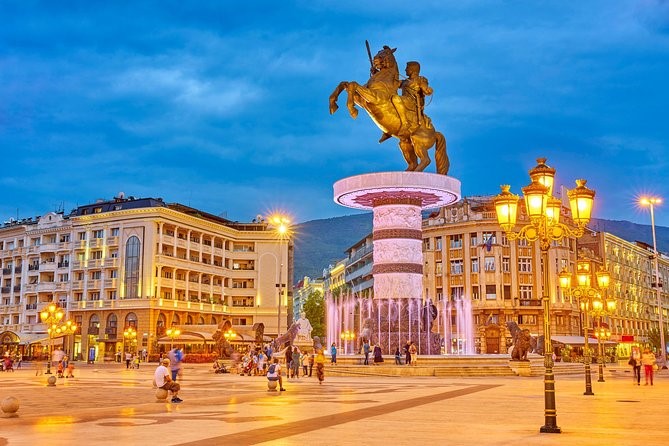
- The heart of the city, featuring the massive statue of Alexander the Great (officially named “Warrior on a Horse”).
- Surrounded by neoclassical buildings, fountains, and vibrant cafes.
- Walk Across the Stone Bridge
- A 15th-century Ottoman bridge connecting the modern center with the Old Bazaar.
- A symbolic landmark of Skopje.
- Wander the Old Bazaar (Carsija)
- One of the largest and oldest marketplaces in the Balkans.
- Full of traditional craft shops, mosques, hammams, and teahouses.
- Great place to try Turkish coffee and local souvenirs.
Day Trips from Skopje
- Matka Canyon (30 min from Skopje)
- Why go: Skopje’s most popular nature escape. Stunning cliffs, turquoise water, and peaceful trails.
- Activities: Kayaking, boat tours to Vrelo Cave, hiking, visiting medieval monasteries.
- Travel tips: Go early to avoid crowds; great spot for photography and lunch at Canyon Matka Restaurant.
- Mount Vodno & Millennium Cross (15–30 min from city center)
- Why go: Quick escape with panoramic views of Skopje and beyond.
- Activities: Hike or take the cable car to the Millennium Cross, visit St. Panteleimon Church in Gorno Nerezi.
- Travel tips: Ideal for a half-day trip, especially around sunset.
- Tikves Wine Region (Kavadarci & Demir Kapija) (1.5–2 hrs)
- Why go: The heart of Macedonia’s wine country.
- Activities: Wine tasting at top wineries like Tikves, Popova Kula, or Stobi Winery.
- Travel tips: Arrange a guided wine tour or hire a driver — wines are strong!