
Introduction
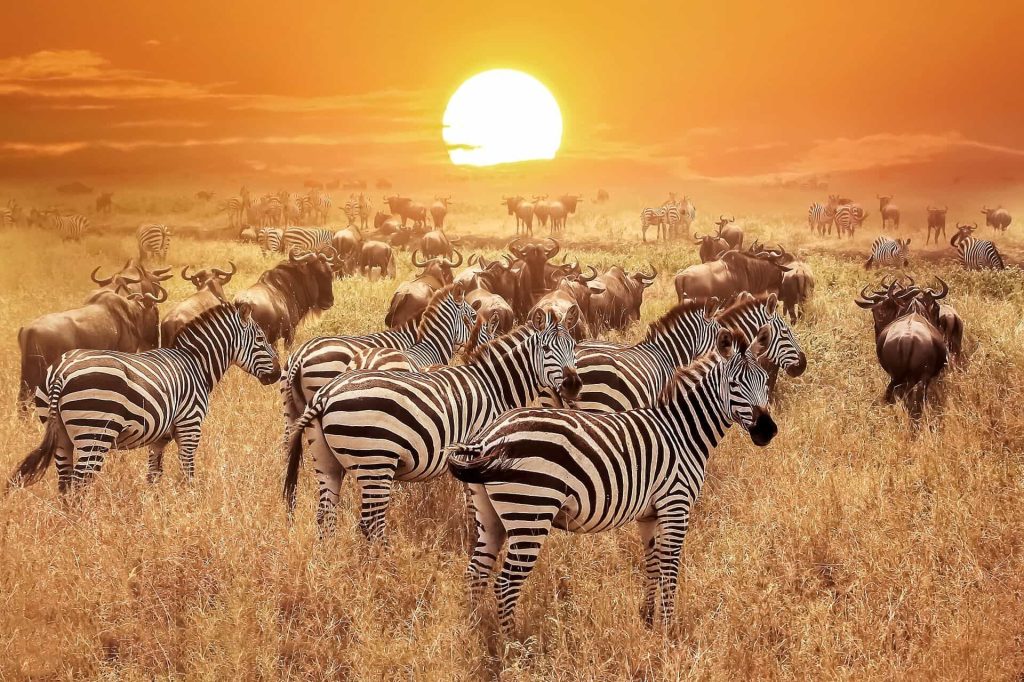
Serengeti is a vast national park in northern Tanzania, famous for its incredible wildlife and sweeping savannah landscapes. It’s best known for the Great Migration, where over 2 million wildebeest, zebras, and gazelles move in a circular route across the Serengeti and into Kenya’s Maasai Mara in search of fresh grazing.
- Introduction to Serengeti National Park
Serengeti National Park, located in northern Tanzania, is one of the most celebrated wildlife reserves in the world. Covering around 14,750 square kilometers, it’s a vast expanse of open savannah, woodlands, and riverine forests. The park is part of the larger Serengeti ecosystem, which includes the Ngoro Ngoro Conservation Area and Kenya’s Maasai Mara. Renowned for its rich biodiversity, stunning landscapes, and remarkable natural events, Serengeti offers an unforgettable safari experience for nature lovers, photographers, and adventurers alike.
- The Great Migration
One of the most extraordinary spectacles in the natural world, the Great Migration is the centerpiece of the Serengeti’s appeal. Each year, over 2 million wildebeest, along with hundreds of thousands of zebras and gazelles, migrate in a clockwise loop across the Serengeti and into Kenya’s Maasai Mara. This journey, driven by the search for fresh grazing and water, is fraught with challenges—river crossings filled with crocodiles and predators lurking on the plains. Witnessing the migration is a once-in-a-lifetime experience and draws visitors from all over the globe.
- Wildlife Diversity
Beyond the migration, Serengeti is home to an astounding variety of wildlife. It boasts all members of the Big Five: lion, leopard, elephant, buffalo, and black rhinoceros. Cheetahs, hyenas, giraffes, hippos, and crocodiles are also commonly seen. Birdwatchers will delight in spotting over 500 bird species, from ostriches to secretary birds. The vast and open terrain offers some of the best wildlife viewing opportunities in Africa, making it ideal for both seasoned safari-goers and first-time visitors.
- Ecosystems and Landscapes
The Serengeti is not just one flat plain—it features a variety of ecosystems that support different types of flora and fauna. The southern region is made up of endless grasslands, perfect for grazing animals and predators. The central area, known as Seronera, has more vegetation and year-round water sources, attracting a high density of animals. The western corridor features dense forests and rivers, while the northern Serengeti is hillier and a key site for river crossings during the migration. Each region offers unique sights and safari experiences.
- Best Time to Visit
The best time to visit Serengeti depends on what you want to see. For the Great Migration, plan between June and October to witness dramatic river crossings. Calving season in January to March, when thousands of wildebeest give birth in the southern plains, is perfect for seeing baby animals and predator activity. The dry season (June to October) offers the best overall game viewing, as animals gather near water sources. However, the green season (November to May) brings lush scenery and fewer tourists.
- Safari Activities
Serengeti National Park offers more than just game drives. You can take a hot air balloon safari at sunrise, soaring above the plains for an aerial view of wildlife. Guided walking safaris in selected areas provide a closer connection with the landscape and its inhabitants. Birdwatching tours, cultural visits to nearby Maasai villages, and photographic safaris tailored to enthusiasts are also popular. These diverse activities ensure that every visitor can experience the Serengeti in their own way.
- Accommodation Options
Whether you’re a luxury traveler or on a budget, Serengeti has a wide range of accommodation options. Luxury lodges offer elegant rooms, gourmet dining, and prime wildlife locations. Tented camps, ranging from basic to high-end, provide a more immersive experience with the sounds of nature all around. For those seeking adventure, public campsites allow for a more rugged and authentic stay. Many lodges and camps move seasonally to follow the migration, ensuring guests are always close to the action.
- How to Get There
Reaching Serengeti National Park is relatively straightforward. Most travelers fly into Kilimanjaro International Airport or Arusha Airport, then take a domestic flight to one of the park’s airstrips. Road access is possible from Arusha, about 6-8 hours away, and can be part of an extended safari including Ngorongoro Crater and Lake Manyara. Tour operators often arrange transportation as part of a full safari package. While remote, the journey is well worth it for the incredible experience that awaits.
- Conservation and Sustainability
The Serengeti is a protected UNESCO World Heritage Site, and conservation efforts are critical to preserving its delicate ecosystem. Tanzania National Parks (TANAPA) manages the park, implementing policies to limit over-tourism and ensure responsible wildlife interactions. Anti-poaching initiatives and community outreach programs help maintain the balance between people and nature. Many lodges and tour companies also practice eco-tourism, minimizing environmental impact and supporting local communities.
- Final Tips for Visitors
Before visiting Serengeti, there are a few practical tips to consider. Pack light but bring essentials like sunscreen, insect repellent, and neutral-colored clothing for safaris. Binoculars and a good camera are must-haves for wildlife viewing. Malaria is present in the region, so consult your doctor about preventive medication. Always follow the guidance of your safari guide and respect wildlife by maintaining a safe distance. With the right preparation, your journey to Serengeti National Park will be safe, comfortable, and truly unforgettable.
Where to Stay in Serengeti
- Central Serengeti (Seronera) – Year-Round Game Viewing
Best for: First-time visitors, easy access, abundant wildlife
This area is a prime game-viewing region with a permanent water source, making it excellent all year.
- Luxury:
- Four Seasons Safari Lodge – Offers upscale suites with plunge pools, spa, and exceptional service.
- Melia Serengeti Lodge – Elegant eco-friendly lodge with great wildlife views.
- Mid-range:
- Kati Kati Tented Camp – Comfortable mobile camp with great access to game drives.
- Serengeti Serena Safari Lodge – Blends traditional African style with modern comforts.
- Budget:
- Public Campsites (e.g., Seronera Campsite) – Basic but affordable, often used by overland tours and independent travelers.
- Northern Serengeti – Migration & River Crossings (July–October)
Best for: Witnessing the Great Migration’s dramatic Mara River crossings
- Luxury:
- Lemala Kuria Hills Lodge – Stylish, spacious suites with glass walls and plunge pools.
- Sayari Camp (Asilia Africa) – Award-winning eco-lodge close to the Mara River, perfect for migration viewing.
- Mid-range:
- Chaka Camp (mobile) – Moves with the migration; excellent guides and comfortable tents.
- Southern Serengeti (Ndutu Area) – Calving Season (Dec–March)
Best for: Newborn animals, predator action, fewer crowds
- Luxury:
- Sanctuary Kusini Camp – Remote and quiet with great wildlife sightings during calving.
- Lake Masek Tented Lodge – Overlooks a lake; excellent for February’s wildebeest calving.
- Mid-range/Budget:
- Ndutu Safari Lodge – Rustic charm with great access to game drives.
- Mobile Camps (e.g., Nyikani Migration Camp – Ndutu) – Seasonal camps that follow the wildlife.
Things to Do in Serengeti
- Game Drives (Day & Night)
The classic Serengeti safari experience.
Explore the park in 4×4 vehicles with expert guides who track wildlife like lions, cheetahs, elephants, giraffes, and hyenas. Most lodges offer early morning and late afternoon game drives. Some private areas near the park allow night drives, where you can spot nocturnal creatures like bush babies and leopards.
- Witness the Great Migration
The Great Migration is one of the planet’s most dramatic wildlife events.
Depending on the time of year and where you stay, you can see herds of over 2 million wildebeest and zebras as they move in search of water and grazing. The Mara River crossings (July–October) are especially thrilling and dangerous as crocodiles await in the waters.
- Hot Air Balloon Safari
Float silently above the Serengeti at sunrise.
This once-in-a-lifetime experience offers an incredible aerial view of the landscape and wildlife below. You’ll often see elephants, hippos, and herds on the move. Most balloon safaris end with a champagne breakfast in the bush.
Day Trips from Serengeti
- Ngorongoro Crater
Travel time: ~1.5 to 3 hours (from southeast Serengeti)
Highlights:
- A UNESCO World Heritage Site
- Highest density of wildlife in Africa in a contained area
- Almost guaranteed sightings of the Big Five
- Black rhinos, flamingos, and huge elephant bulls
Why it’s great:
You can leave early from the Serengeti, spend the day exploring the Crater floor, and return to a lodge on the Ngorongoro rim or Ndutu area by evening.
- Olduvai Gorge (Oldupai Gorge)
Travel time: ~1–2 hours (from southern Serengeti)
Highlights:
- Important archaeological site known as the “Cradle of Mankind”
- Visit the museum and fossil discovery sites
- Learn about early human evolution and ancient tools
Why it’s great:
Ideal for those interested in anthropology or cultural history. It can easily be combined with a trip to or from Ngorongoro or Ndutu.
- Lake Ndutu (in the Ngorongoro Conservation Area)
Travel time: ~1 hour (from southern Serengeti)
Highlights:
- Excellent wildlife viewing during calving season (Dec–March)
- Easier to do walking safaris
- More relaxed park rules compared to Serengeti proper
Why it’s great:
Ideal for photographers or those visiting during the green season. Fewer vehicles and close wildlife encounters.