
Introduction
Sao Paulo is the largest city in Brazil and one of the biggest in the world. Located in the southeastern part of the country, it’s a major financial, cultural, and industrial hub of Latin America. Known for its towering skyline, diverse population, and fast-paced energy, Sao Paulo is a melting pot of cultures, languages, and lifestyles. The city is famous for its dynamic arts scene, including music, theater, and especially street art, as well as its rich food culture influenced by Italian, Japanese, African, and indigenous traditions. Despite challenges like traffic and urban sprawl, Sao Paulo remains a city of innovation, resilience, and constant reinvention.
- A Global Street Art Capital
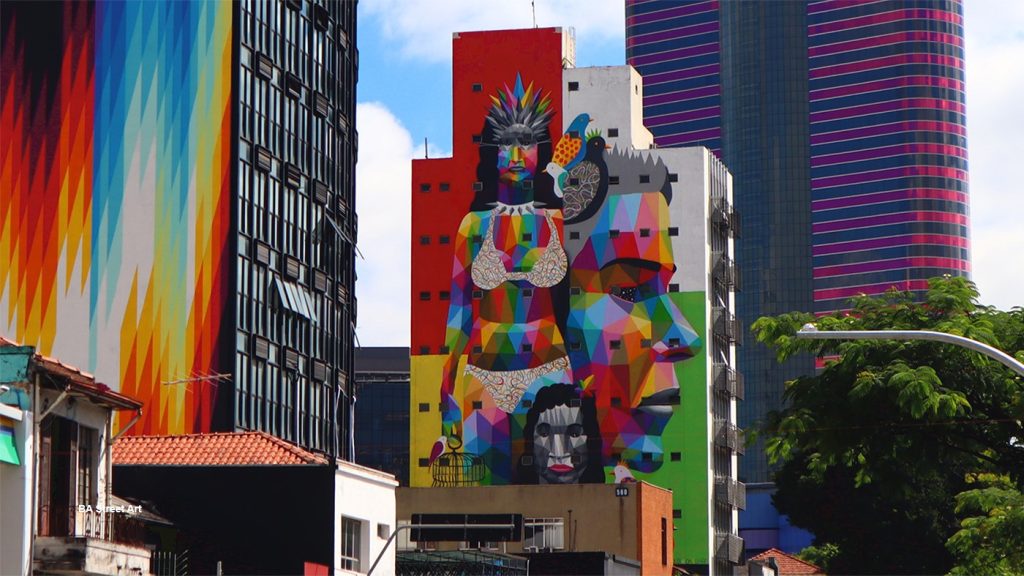
Sao Paulo has established itself as one of the world’s most important hubs for street art. Often compared to New York or Berlin, the city’s sprawling walls, underpasses, and buildings are vibrant canvases for expression. This reputation didn’t happen overnight—it evolved from a grassroots movement into a globally recognized urban art scene. Street art in Sao Paulo is not just tolerated but celebrated, making it a top destination for art lovers and creatives from across the globe.
- Beco do Batman: The Heart of Street Art
No discussion of Sao Paulo’s street art is complete without mentioning Beco do Batman. Tucked in the artistic neighborhood of Vila Madalena, this narrow alleyway is an ever-changing open-air gallery. Covered in colorful murals by both local legends and visiting artists, Beco do Batman is a living example of collaborative and constantly evolving street art. It draws thousands of tourists, photographers, and artists each year, and the walls are frequently refreshed with new work, creating a dynamic and interactive art experience.
- A Platform for Social and Political Commentary
Much of Sao Paulo’s street art goes beyond aesthetics—it serves as a powerful form of social and political commentary. Artists use the streets to raise awareness about issues such as poverty, racism, corruption, and police violence. These works reflect the realities of life in a massive urban center with deep social inequalities. Instead of traditional protest, these artists speak through bold visuals and public placement, making art a tool for resistance and reflection.
- The Influence of Hip-Hop Culture
Street art in Sao Paulo has deep roots in the hip-hop culture that gained traction in the 1980s and 1990s. Along with rap music, breakdancing, and DJing, graffiti was a key element of self-expression for marginalized communities. Many pioneering graffiti artists emerged from this movement, using walls as their stage. Today’s street art scene still carries that legacy—many works are infused with rhythm, struggle, identity, and pride that originated from hip-hop’s influence on Brazilian youth.
- Os Gemeos: Icons of Brazilian Street Art
Among Sao Paulo’s most famous contributions to the global street art community are Os Gêmeos, identical twin brothers Otávio and Gustavo Pandolfo. Their surreal, yellow-skinned characters have become icons of Brazilian urban art. Starting with graffiti in the 1980s, Os Gêmeos went on to exhibit internationally while continuing to create work in Sao Paulo. Their style blends Brazilian folklore, dreamlike imagery, and social commentary, capturing the essence of the city’s cultural complexity.
- Legal and Illegal Art: A Blurred Line
One of the most interesting aspects of Sao Paulo’s street art scene is the blurred line between legal and illegal work. While many murals are commissioned or sanctioned by building owners and even city authorities, others are created without permission. Unlike many other cities where graffiti is strictly punished, Sao Paulo has a more nuanced approach—especially since former mayor Fernando Haddad introduced “street art zones” to distinguish between vandalism and artistic expression. This has fostered a more inclusive and supportive environment for artists.
- A Community-Driven Movement
What makes Sao Paulo’s street art unique is how community-driven it is. Many artists work collaboratively or in collectives, and local residents often support or protect artworks in their neighborhoods. Some projects even involve community participation, where local youth or residents contribute to mural painting. This participatory spirit reflects how street art in Sao Paulo is not just decoration, but an integral part of neighborhood identity and pride.
- Art Beyond the Tourist Trail
While Beco do Batman is the most famous spot, street art in Sao Paulo is not limited to touristy areas. Incredible works can be found across the city—from the central Avenida Paulista to far-flung districts like Capão Redondo and Sao Mateus. Trains, highways, and even the sides of apartment buildings serve as canvases. The sheer geographic spread of art reflects both the scale of the city and the democratic nature of its street art culture—it’s everywhere and for everyone.
- Street Art and Urban Identity
Street art plays a significant role in shaping Sao Paulo’s urban identity. In a city known for its concrete skyline and dense urban sprawl, murals inject color, emotion, and personality into everyday spaces. For many Paulistanos (residents of Sao Paulo), these artworks are part of their daily routine—they walk past them on their way to work or see them from their apartment windows. Over time, specific pieces or styles become embedded in the collective memory of neighborhoods and the city at large.
- Looking Ahead: Preservation and Innovation
As Sao Paulo continues to evolve, so too does its street art scene. One challenge is preservation—murals often disappear due to development, weather, or new layers of paint. However, there are growing efforts to document and archive the city’s street art digitally and through photography. At the same time, innovation is flourishing, with artists blending traditional graffiti with digital techniques, augmented reality, and new media. This fusion of heritage and innovation promises an exciting future for Sao Paulo’s role in global street culture.
Where to stay in Sao Paulo
- Vila Madalena – Best for Art & Culture Lovers
- Why stay here? Trendy, artistic, and full of personality. This bohemian neighborhood is the heart of Sao Paulo’s street art scene (home to Beco do Batman), indie shops, and lively bars.
- Vibe: Artsy, walkable, youthful
- Good for: Street art fans, nightlife, café-hoppers
- Top stays: Selina Madalena, Brazilodge All Suites
- Avenida Paulista / Bela Vista – Best for First-Time Visitors
- Why stay here? Central, safe, and full of major attractions like museums (MASP), shopping, restaurants, and business centers. Easy access to the metro.
- Vibe: Bustling, urban, cosmopolitan
- Good for: Sightseeing, convenience, business travelers
- Top stays: Hotel Trianon Paulista, ibis Budget Paulista, Meliá Paulista
- Jardins – Best for Upscale Comfort & Shopping
- Why stay here? Leafy streets, designer boutiques, gourmet dining, and upscale hotels. Great for relaxing in comfort while staying close to major attractions.
- Vibe: Elegant, quiet, high-end
- Good for: Luxury travel, couples, shopping
- Top stays: Renaissance Sao Paulo Hotel, Hotel Fasano, L’Hotel PortoBay
Things to do in Sao Paulo
- Explore Beco do Batman (Vila Madalena)
- Wander through this vibrant alley filled with ever-changing street art murals. It’s a must-see for art lovers and photographers.
- Great for: Instagram photos, graffiti tours, street culture
- Visit the Sao Paulo Museum of Art (MASP)
- Located on Avenida Paulista, MASP houses one of the most important collections in Latin America, including works by Van Gogh, Picasso, and Brazilian masters.
- Don’t miss: The floating glass design and weekly antique market below.
- Relax in Ibirapuera Park
- Sao Paulo’s equivalent to Central Park, this massive green space is perfect for walking, biking, or just escaping the city buzz.
- Also visit: MAM (Museum of Modern Art) and the Afro Brazil Museum inside the park.
Day trip from Sao Paulo
- Santos – Beach, Port & Coffee Museum
- Just 1.5 hours from Sao Paulo, Santos is a coastal city known for its long beachfront, historic coffee trade, and Latin America’s busiest port.
- Top attractions: Coffee Museum, Monte Serrat, beachfront garden promenade.
- Great for: Beach lovers, history buffs, seafood fans.
- Embu das Artes – Artisan Village with Colonial Charm
- About 45 minutes away, this quaint town is famous for its art galleries, handmade crafts, antiques, and weekend street fairs.
- Top attractions: Art and craft market, colonial architecture, cafes.
- Great for: Art shopping, bohemian vibes, relaxing day strolls.
- Sao Roque – Wine Route & Countryside Views
- A scenic town about 1.5 hours away, known for its Rota do Vinho (Wine Route) with wineries, Italian restaurants, and rolling hills.
- Top attractions: Local vineyards, wine tasting, Ski Mountain Park.
- Great for: Wine tasting, couples, family fun.