
Introduction
South Africa is a country located at the southern tip of the African continent, known for its diverse cultures, stunning landscapes, and rich history. It has 11 official languages and is often called the “Rainbow Nation” due to its multicultural population. Major cities include Cape Town, Johannesburg, and Durban. South Africa features a wide range of natural beauty—from dramatic coastlines and mountains to vast savannahs and deserts. It’s also famous for wildlife and national parks, like Kruger National Park, which attract tourists from around the world.
- Introduction to Kruger National Park
Located in the northeastern corner of South Africa, Kruger National Park is one of the continent’s largest and most famous wildlife reserves. Established in 1898, it spans nearly 20,000 square kilometers and shares borders with Mozambique and Zimbabwe. This iconic park is a haven for wildlife enthusiasts, offering a chance to experience Africa’s raw natural beauty in its purest form. With well-maintained roads, diverse ecosystems, and world-class safari infrastructure, Kruger is often the first choice for both first-time visitors and seasoned travelers seeking a classic African safari. - The Big Five Experience
Kruger National Park is renowned for being home to the legendary Big Five—lion, leopard, elephant, rhinoceros, and buffalo. Spotting these majestic animals in their natural habitat is a bucket-list experience for many. While luck plays a role, the park’s large size and healthy animal populations make sightings frequent, especially during guided game drives. Each of the Big Five species has its own unique behavior and allure, offering unforgettable photo opportunities and thrilling wildlife encounters. - Diverse Wildlife Beyond the Big Five
While the Big Five attract the most attention, Kruger boasts a much broader spectrum of wildlife. The park is home to over 147 mammal species, including cheetahs, hyenas, giraffes, hippos, and zebras. Birdwatchers can spot more than 500 bird species, while reptiles, amphibians, and countless insects contribute to the ecosystem’s richness. This incredible biodiversity makes every safari drive unique, with surprises around every corner. - Game Drive Adventures
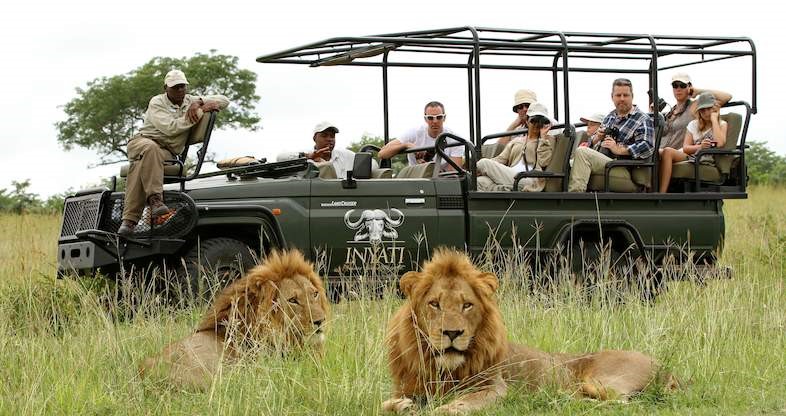
One of the highlights of a Kruger safari is the guided game drive—typically held in open 4×4 vehicles at dawn or dusk when animals are most active. Skilled guides and trackers use their knowledge and intuition to find wildlife, providing fascinating insights along the way. Whether it’s a lion pride lounging in the grass or a herd of elephants crossing your path, these drives immerse visitors in the thrill of the wild and ensure safe, ethical wildlife viewing. - Self-Drive Safari Option
Kruger is unique among major African parks in that it allows visitors to do self-drive safaris using their own vehicles. This flexibility appeals to independent travelers who enjoy exploring at their own pace. With well-marked roads, clear maps, and accessible rest camps, self-driving is safe and convenient. However, patience and a keen eye are essential, as animals are free to roam and sightings are never guaranteed. - Accommodation for Every Budget
From budget-friendly campsites to luxury lodges, Kruger offers a wide range of accommodation options to suit every traveler. The park’s rest camps are managed by South African National Parks (SANParks) and provide affordable chalets, bungalows, and campgrounds. For a more exclusive experience, private game reserves on Kruger’s western edge, like Sabi Sands or Timbavati, offer five-star lodges with gourmet dining, spa treatments, and private game drives. - Unique Ecosystems and Landscapes
Kruger’s vast terrain encompasses a variety of ecosystems, from savannahs and woodlands to riverine forests and rocky hills. This diversity supports a wide range of flora and fauna and creates visually stunning backdrops for game viewing. Each region of the park has its own character and wildlife concentration—for example, the south is known for lion and rhino sightings, while the north is more remote and rich in birdlife. - Cultural and Historical Significance
Beyond its wildlife, Kruger Park holds deep cultural and historical importance. The region contains over 300 archaeological sites, including ancient San rock art and Iron Age settlements. Some lodges and tours offer insights into local cultures and traditions, helping visitors understand the human connection to the land. The park also plays a vital role in conservation history and continues to serve as a leading model in wildlife protection and ecological research. - Best Time to Visit
Kruger is a year-round destination, but the best time for game viewing is during the dry winter months (May to September), when animals gather around water sources and the vegetation is less dense. Summer (October to April) brings lush greenery and excellent birdwatching but also higher temperatures and the possibility of rain. Each season offers a different perspective on the park’s dynamic ecosystem. - Responsible Tourism and Conservation
A safari in Kruger is not just about seeing animals—it’s also about contributing to wildlife conservation and responsible tourism. The park is a protected area that plays a crucial role in preserving endangered species and maintaining ecological balance. Visitors are encouraged to follow guidelines that minimize their impact, such as staying on designated roads, respecting animal space, and supporting eco-conscious lodges and operators. By choosing Kruger, travelers support long-term efforts to protect Africa’s natural heritage.
Where to stay in South Africa
- Cape Town – City, Beaches, and Mountains
- Why stay: Beautiful city surrounded by Table Mountain, beaches, and vibrant culture.
- Best areas:
- Camps Bay – beachside luxury
- City Bowl – close to attractions and nightlife
- V&A Waterfront – great for families and shopping
- Top stays:
- Luxury: One&Only Cape Town, The Silo Hotel
- Budget: Mojo Hotel, 91 Loop Boutique Hostel
- Boutique: Cloud 9 Boutique Hotel
- Kruger National Park – Safari Adventure
- Why stay: World-class safaris and wildlife viewing.
- Options:
- Inside the park (affordable and accessible): SANParks rest camps (Skukuza, Lower Sabie)
- Private reserves (luxury, private safaris): Sabi Sands, Timbavati, Kapama
- Top stays:
- Luxury: Singita, Lion Sands, Dulini Lodge
- Mid-range: Rhino Post Safari Lodge
- Budget: Skukuza Camp, Satara Camp
- Stellenbosch & Franschhoek – Wine Country
- Why stay: Wine tastings, gourmet food, scenic vineyards.
- Top stays:
- Luxury: Delaire Graff Estate, Babylonstoren
- Boutique: Akademie Street Boutique Hotel
- Budget: River Manor Boutique Hotel, guesthouses
Things to do in South Africa
- Go on a Safari in Kruger National Park
- Spot the Big Five (lion, leopard, elephant, rhino, buffalo)
- Take guided game drives or self-drive safaris
- Stay in a luxury lodge or camp under the stars
- Explore Cape Town
- Ride the cable car up Table Mountain for panoramic views
- Visit the colorful Bo-Kaap neighborhood
- Take a boat trip to Robben Island, where Nelson Mandela was imprisoned
- Stroll the V&A Waterfront and dine with views of the harbor
- Drive the Garden Route
- A scenic coastal drive between Mossel Bay and Storms River
- Stop at Knysna, Plettenberg Bay, and Wilderness
- Go bungee jumping from Bloukrans Bridge (world’s highest commercial jump)