
Introduction
Quebec City is the capital of the Canadian province of Quebec and one of the oldest cities in North America, founded in 1608. It’s famous for its well-preserved historic district, Old Quebec, which features charming cobblestone streets and centuries-old architecture. The city has a strong French influence, reflected in its language, culture, and traditions. Known for its vibrant festivals, rich history, and beautiful landmarks like Château Frontenac, Quebec City is a unique blend of European charm and Canadian heritage.
- Founding and Early History
Samuel de Champlain, a French explorer, making it one of the oldest European settlements in North America, founded Quebec City in 1608. Established as a fur trading post and a strategic military outpost, Quebec City quickly became the capital of New France. Its location on the St. Lawrence River was key for trade, defense, and expansion. The city played a crucial role in France’s colonial ambitions and served as a cultural and administrative center for French settlers.
- French Colonial Influence
The city’s identity is deeply rooted in its French colonial heritage. French remains the dominant language, and many of the city’s customs, traditions, and legal systems stem from French origins. This colonial past shaped Quebec City’s architecture, urban planning, and social structure, with the Catholic Church playing a central role in community life. Buildings like the Notre-Dame de Québec Basilica Cathedral stand as symbols of this enduring French cultural influence.
- Old Quebec – A UNESCO World Heritage Site
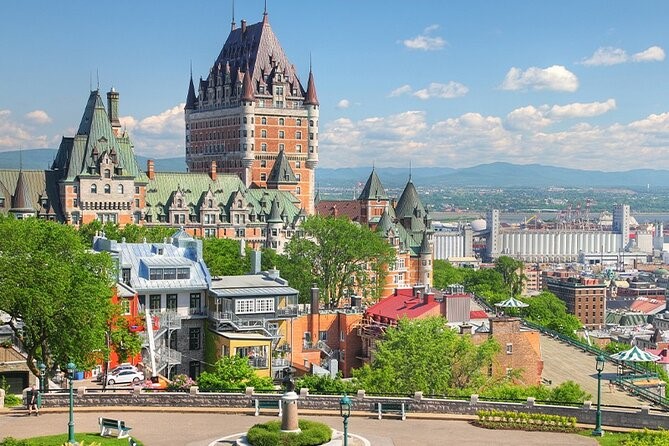
Old Quebec (Vieux-Québec) is the historic heart of the city and a UNESCO World Heritage Site since 1985. This area is famous for its fortified city walls, narrow cobblestone streets, and well-preserved 17th- and 18th-century architecture. Landmarks such as the Château Frontenac hotel, Place Royale, and the Citadelle of Quebec showcase the city’s historical significance and attract millions of visitors each year. The preservation of this area highlights Quebec City’s commitment to maintaining its cultural heritage.
- Military Significance and Conflicts
Quebec City has been a focal point of several key military conflicts, most notably during the French and British struggles for control over North America. The Battle of the Plains of Abraham in 1759 was a turning point, resulting in British conquest and control of the city. Despite British rule, French culture remained dominant, leading to a unique bilingual and bicultural identity. The city’s strategic military forts, such as the Citadelle and ramparts, reflect its historic role in defense.
- French Canadian Identity and Language
Quebec City is the epicenter of French Canadian identity. The French language and culture have been preserved and promoted vigorously despite centuries of British and later Canadian dominance. Institutions, education, media, and everyday life in Quebec City are primarily conducted in French. This linguistic identity fuels a strong sense of pride and cultural distinctiveness among its residents, distinguishing Quebec City from other North American cities.
- Religious and Cultural Traditions
Religion, particularly Catholicism, has historically been influential in shaping Quebec City’s culture. The church guided social values, education, and community events. Traditional festivals like the Fête de la Saint-Jean-Baptiste (Saint-Jean-Baptiste Day) celebrate French Canadian culture and Catholic heritage. Over time, cultural life has expanded to include diverse arts, music, and culinary traditions that reflect both historical influences and modern multiculturalism.
- Festivals and Cultural Events
Quebec City is known for its vibrant festivals, which celebrate its rich culture and history. The Quebec Winter Carnival (Carnaval de Québec) is one of the largest winter festivals in the world, featuring parades, ice sculptures, and traditional foods. Other notable events include the Festival d’été de Québec, which highlights music from around the world, and the New France Festival, which reenacts colonial-era life. These celebrations reinforce community bonds and promote cultural tourism.
- Architectural Heritage
The city’s architecture tells the story of its cultural evolution. Quebec City boasts a blend of French colonial, British military, and modern architectural styles. Iconic buildings include the Château Frontenac, an elaborate hotel resembling a French château, the imposing Citadelle fortress, and the elegant stone buildings of Place Royale. Preservation efforts ensure that new developments respect the city’s historic character, blending the old with the new.
- Indigenous Heritage and Influence
Before European settlement, Indigenous peoples, including the Huron-Wendat and other First Nations, inhabited the area around Quebec City. Indigenous culture and history continue to be recognized and celebrated within the city, with museums and cultural centers dedicated to preserving and educating about Indigenous heritage. Contemporary Indigenous art, storytelling, and activism also contribute to Quebec City’s cultural landscape.
- Modern Quebec City: Balancing Tradition and Innovation
Today, Quebec City is a dynamic city that balances its rich history with modern innovation. It is a center of education, technology, and government, while continuing to celebrate its cultural roots. The city fosters a strong sense of community through its museums, theaters, culinary scene, and festivals, attracting visitors who want to experience authentic French Canadian culture. Quebec City’s ability to honor its past while embracing the future makes it a unique cultural destination.
Where to stay in Quebec City
- Old Quebec (Vieux-Québec) — Best for History and Charm
- Staying here means you’re right in the heart of the city’s historic district, surrounded by cobblestone streets, historic landmarks like Château Frontenac, and plenty of cafes, shops, and restaurants.
- Ideal for first-time visitors who want an authentic Quebec City experience.
- Hotels range from luxury (Fairmont Le Château Frontenac) to boutique inns and charming B&Bs.
- Saint-Jean-Baptiste — Local Vibe and Quaint
- Just outside Old Quebec, this neighborhood is lively and artsy with plenty of local bars, eateries, and shops.
- Great if you want a more residential feel while still being close to downtown.
- Boutique hotels and cozy guesthouses are common here.
- Saint-Roch — Trendy and Modern
- A hip, revitalized area popular with young locals and creatives.
- Full of cool cafes, breweries, and restaurants.
- Offers more affordable accommodations including boutique hotels and hostels.
- Close to public transit for easy access to Old Quebec.
Things to do in Quebec City
- Explore Old Quebec (Vieux-Québec)
- Wander through the cobblestone streets of this UNESCO World Heritage site.
- Visit iconic landmarks like Château Frontenac, Place Royale, and the city walls.
- Enjoy charming shops, cafes, and restaurants.
- Visit the Citadelle of Quebec
- Tour this active military fortress and learn about Quebec City’s defense history.
- Don’t miss the changing of the guard ceremony during summer months.
- Walk Along the Dufferin Terrace
- A scenic boardwalk offering stunning views of the St. Lawrence River.
- Street performers and vendors often add to the lively atmosphere.
Day trip from Quebec City
- Montmorency Falls
- Just 15 minutes from Quebec City, this stunning waterfall is higher than Niagara Falls.
- You can hike, cross a suspension bridge, take a cable car, or even zipline over the falls.
- Great for nature lovers and outdoor photography.
- Île d’Orléans
- A picturesque island in the St. Lawrence River, about 15-20 minutes from Quebec City.
- Famous for its farmland, vineyards, orchards, and charming villages.
- Enjoy local produce like strawberries, apples, maple syrup, and wine.
- Ideal for scenic drives, cycling, and tasting fresh local foods.
- Charlevoix Region
- About 1.5 to 2 hours from Quebec City, this region is known for stunning landscapes, including mountains, rivers, and the St. Lawrence River coastline.
- Visit quaint towns like Baie-Saint-Paul, explore art galleries, or take whale-watching tours.
- Perfect for outdoor activities like hiking, kayaking, or simply relaxing.