
- Lusail Stadium: From Field of Dreams to Urban Icon
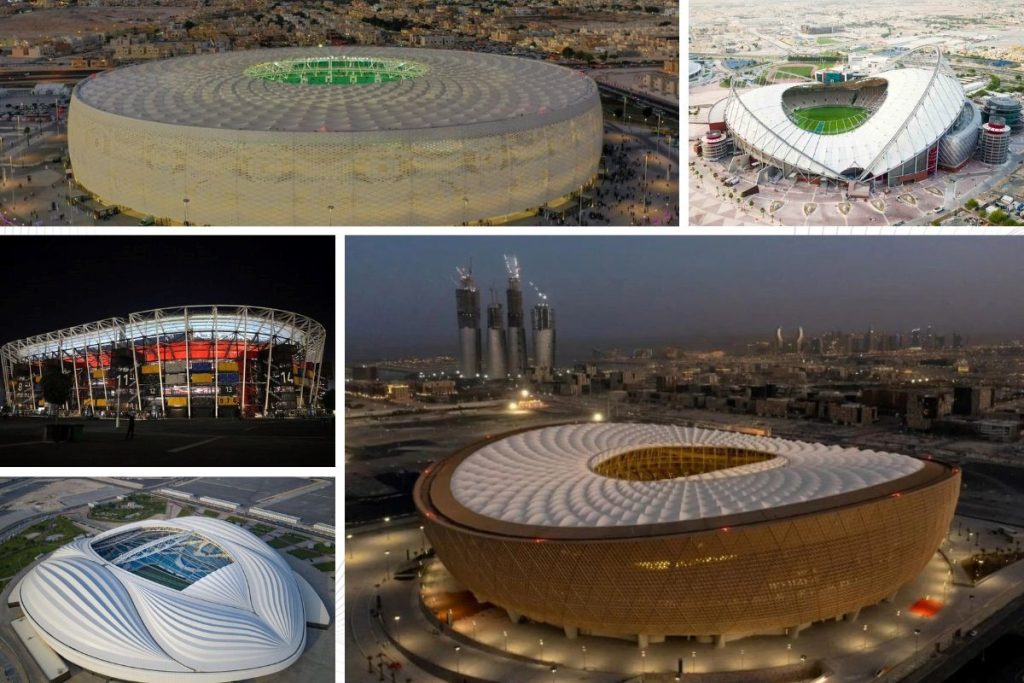
Once the grand stage for the World Cup final, Lusail Stadium is a beacon of modern design and a symbol of Qatar’s future-forward vision. With a capacity of 80,000, it was the largest stadium used during the tournament. But rather than become a white elephant, Lusail Stadium is being transformed into a multi-purpose community hub.
What to Expect Now:
- Commercial Spaces: Plans are underway to repurpose parts of the stadium into shops, cafes, and health clinics.
- Event Venue: The venue is being positioned to host concerts, exhibitions, and major international events.
- Tourism Tip: Don’t miss the Lusail Marina Promenade, a picturesque area perfect for evening walks and yacht spotting.
- Al Janoub Stadium: Sailing into the Future
Designed by the late Zaha Hadid, Al Janoub Stadium in Al Wakrah is an architectural masterpiece. Its design is inspired by the sails of traditional Qatari dhow boats, a tribute to the city’s seafaring past.
Post-World Cup Transformation:
- Sports Complex: The stadium now hosts local football matches and serves as a community sports facility.
- Recreational Park: The area around the stadium has been developed into lush green spaces with jogging tracks and playgrounds.
- Why Visit?: Its striking design makes it a must-visit for architecture enthusiasts and Instagrammers alike.
- Education City Stadium: The “Diamond in the Desert” Lives On
Nicknamed the “Diamond in the Desert,” this stadium is nestled in the heart of Qatar’s university hub. Post-World Cup, it has seamlessly integrated into the academic and sporting life of the Education City complex.
Highlights:
- University Use: The stadium is shared by Qatar Foundation’s schools and universities for sports and events.
- Green Innovation: It’s one of the most sustainable stadiums in the world, holding a 5-star GSAS certification.
- Cultural Bonus: Explore the nearby Qatar National Library and Mathaf: Arab Museum of Modern Art.
- Al Bayt Stadium: A Cultural Camp Transformed
Perhaps the most culturally resonant of all the stadiums, Al Bayt Stadium was designed to resemble a traditional Bedouin tent. Located in Al Khor, it stood out not just for its size but for its message—honoring Qatari heritage.
Today’s Experience:
- Luxury Hotel Plans: Sections of the stadium are being converted into a boutique hotel offering unique accommodations.
- Public Amenities: The precinct includes a park, artificial lake, and fitness trails.
- What’s Nearby?: Don’t miss Al Thakhira Mangroves, perfect for kayaking and eco-tours.
- Ahmad Bin Ali Stadium: Community-Centered Revival
Set on the edge of the desert in Al Rayyan, this stadium is a tribute to Qatar’s relationship with nature. Post-tournament, it has been handed over to the local community.
Now Featuring:
- Home of Al Rayyan SC: Football fans can catch league matches in a world-class setting.
- Eco-Conscious Design: 90% of the demolition waste from the original stadium was reused in its reconstruction.
- Tip for Travelers: Pair your visit with a stop at the Mall of Qatar, right next door.
- Stadium 974: A Temporary Marvel Leaves a Permanent Legacy
A true pioneer, Stadium 974 was built entirely from shipping containers and modular steel. It was the first temporary stadium in World Cup history, and it made a bold statement about sustainable design.
After the Games:
- Dismantled: True to its promise, the stadium has been dismantled and its parts are being repurposed for future sporting events or donated to countries in need.
- Legacy in Design: The plot will be transformed into a dynamic waterfront development.
- Why Visit?: The site offers a fascinating case study in how cities can build smart, adaptable infrastructure.
- Khalifa International Stadium: A National Treasure Endures
Khalifa International Stadium was Qatar’s sporting centerpiece long before the World Cup. Extensively renovated for the tournament, it continues to play a vital role in the country’s sports ecosystem.
Present-Day Role:
- Active Sports Venue: Hosts national and international football and athletics events.
- Aspire Zone: The stadium is part of a wider sports complex that includes Aspire Park and Villaggio Mall.
- Family Friendly: Great for a day out with entertainment, dining, and green spaces.
- Legacy Beyond Stadiums: Urban and Cultural Revivals
While the stadiums steal the spotlight, Qatar’s legacy stretches far beyond these sporting cathedrals. The country used the World Cup as a catalyst for broader urban and cultural transformation.
Noteworthy Developments:
- Doha Metro: Built to accommodate World Cup crowds, it now connects key parts of the city efficiently and affordably.
- Msheireb Downtown: A smart city district showcasing Qatari heritage with cutting-edge sustainability.
- National Museums: From the National Museum of Qatar to the Museum of Islamic Art, the country’s cultural institutions are world-class.
Sustainability as a Statement
Qatar made headlines for its commitment to hosting the first carbon-neutral World Cup. While the long-term results are still unfolding, legacy initiatives include:
- Green Building Certifications: All stadiums were built to meet strict environmental standards.
- Solar-Powered Cooling: Innovative climate control methods were used in venues and are being adapted for future infrastructure.
- Tree Planting & Urban Greening: Over 16,000 trees were planted across stadium precincts.
Visiting Qatar in 2025 and Beyond
So why should Qatar be on your travel radar now?
- Year-Round Activities: Thanks to climate-controlled facilities and new entertainment hubs, there’s always something happening.
- Cultural Immersion: Discover the richness of Qatari culture, from falconry and dhow sailing to Islamic art and cuisine.
- Accessibility: With increased air routes, visa waivers for over 95 countries, and a compact geography, exploring Qatar is easier than ever.
Travel Express Tips for a Smooth Trip
- Best Time to Visit: November to March, when the weather is pleasantly cool.
- What to Pack: Lightweight clothes, a hat, and sunscreen for day trips—plus modest wear for cultural sites.
- Language: Arabic is the official language, but English is widely spoken.
- Local Etiquette: Respect for customs and traditions is key. Dress modestly and always ask before photographing locals.