
Introduction
Bangkok, Thailand’s dynamic capital—packed with ancient temples, vibrant street life, modern malls, and world-class cuisine. Whether you’re visiting for the first time or returning to explore more, this guide covers the essentials to help you make the most of your trip.
- BTS Skytrain: Fast, Air-Conditioned, and Tourist-Friendly
The Bangkok Mass Transit System (BTS), commonly known as the Skytrain, is one of the most efficient and reliable ways to travel across central Bangkok. The two main lines—the Sukhumvit Line and the Silom Line—connect major commercial, business, and shopping districts like Siam, Asok, and Silom. Trains run every 3–6 minutes, making it an ideal choice during peak hours. Air-conditioning provides comfort, and the elevated tracks offer great views of the city. Ticket machines accept coins, or you can buy a Rabbit Card for easier access and fare discounts. Tourists will find signs in English and Thai, and station staff are helpful.
- MRT Subway: Clean and Convenient Underground Option
The Mass Rapid Transit (MRT) is Bangkok’s underground metro system that complements the BTS. It has two major lines—the Blue Line, which circles much of central Bangkok, and the Purple Line, which connects the outer suburbs. The MRT is known for being clean, modern, and punctual. While the BTS often serves more touristy areas, the MRT is perfect for reaching places like Chatuchak Weekend Market, Hua Lamphong Railway Station, and Ratchadaphisek Road. Tickets can be purchased at vending machines or through contactless cards. The MRT also connects to some BTS stations, allowing for easy interchanges.
- Buses: Affordable but Challenging for Foreigners
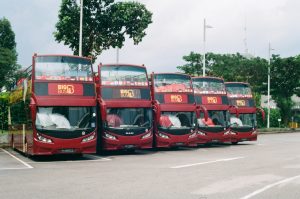
Bangkok’s public bus system, operated by the Bangkok Mass Transit Authority (BMTA), is vast and inexpensive, with fares ranging from 8 to 24 THB depending on the type of bus (regular, air-conditioned, or express). However, navigating the routes can be tricky for non-Thai speakers, as signage is often in Thai only and the schedule is inconsistent. Still, for the budget traveler with patience, buses offer an immersive local experience. Mobile apps like ViaBus or Google Maps Transit can help decode routes.
- Taxis: Comfortable but Susceptible to Traffic
Metered taxis are readily available across Bangkok and are often more comfortable than tuk-tuks or buses. Flagfall starts at 35 THB, and the final fare depends on distance and traffic. Always make sure the driver turns on the meter. Taxis are air-conditioned, but Bangkok’s notorious traffic can make trips slow, especially during rush hours (7–9 AM and 4:30–7:30 PM). Avoid negotiating flat fares unless you’re heading far outside the city. Apps like Grab and Bolt are good alternatives if you want to avoid language barriers.
- Tuk-Tuks: Iconic but Pricey and Best for Short Trips
No visit to Bangkok is complete without riding a tuk-tuk—the noisy, three-wheeled auto-rickshaws that have become a city symbol. Tuk-tuks are ideal for short distances or areas inaccessible to larger vehicles. However, they often charge tourists inflated rates, so bargaining is essential. A typical short ride might cost 100–200 THB, which is usually more than a metered taxi. While not the most efficient or safest mode of transport, they’re fun for quick jaunts and photo ops.
- Motorbike Taxis: Fast but Risky
If you’re in a rush and don’t mind the thrill, motorbike taxis are a fast way to beat Bangkok traffic. Riders wear numbered orange vests and wait at street corners or near transport hubs. They’re best for short distances, like getting from a BTS station to a nearby office. However, they’re not ideal for those carrying luggage or uncomfortable with weaving through traffic. Fares start around 20–40 THB, and it’s always good to negotiate beforehand. Helmets are usually provided but may not meet international safety standards.
- Songthaews: Shared Rides in Pick-Up Trucks
Songthaews (literally “two rows”) are shared passenger vehicles built from converted pick-up trucks with two bench seats in the back. While more common in other Thai cities, some routes operate in suburban Bangkok and offer an authentic local experience for as little as 10–30 THB. These are commonly used by locals and rarely have English signage. Understanding the route in advance is important, and you’ll need to tell the driver when to stop. They’re not ideal for tourists unless you’re traveling with a local.
- Chao Phraya River Boats: Scenic and Practical
For a refreshing alternative to road travel, Chao Phraya River Express Boats are an excellent way to explore riverside attractions like Wat Arun, The Grand Palace, and Asiatique. There are several types of boats: Orange Flag boats (local service, 15 THB flat rate), Blue Flag boats (tourist boats with English commentary and higher fares), and no-flag boats (local rush-hour services). Boats run frequently, especially during commuting hours. The Sathorn Pier connects directly to the BTS Saphan Taksin station, offering easy interchange.
- Khlong Boats: Canal Transport for the Adventurous
For a truly local experience, hop on one of Bangkok’s khlong boats, which traverse the city’s canals (or khlongs). The Saen Saep Express Boat is the main line, running from Panfa Leelard (near Khao San Road) to Bang Kapi. It’s incredibly cheap (8–20 THB) and can help you dodge traffic across town. However, boarding and exiting can be tricky, especially during rush hours. There’s no air conditioning, and the water can splash, so it’s best to avoid these during rainy seasons or when dressed up.
- Ride-Hailing Apps: Convenient but Can Surge in Price
Apps like Grab, Bolt, and LINE Man offer ride-hailing services including cars, motorbikes, and taxis. They’re convenient for tourists unfamiliar with the city or Thai language, as the interface is in English and fare is calculated in advance. Grab often charges more during peak times or poor weather, but you avoid negotiating or explaining your destination. Payments can be made via cash or credit card, and some apps offer promotions and discounts. These services are often more expensive than public transport but are well worth it for door-to-door convenience.
Things to Do in Bangkok
- Explore the Grand Palace and Wat Phra Kaew
A visit to Bangkok isn’t complete without seeing the Grand Palace, the former royal residence and one of the city’s most iconic landmarks. Within the complex lies Wat Phra Kaew (Temple of the Emerald Buddha), home to Thailand’s most sacred Buddhist statue. Expect intricate architecture, gold-covered stupas, and ornate murals. Arrive early to avoid crowds, and wear modest clothing (no shorts or sleeveless tops).
- Visit Wat Arun (Temple of Dawn)
Located on the west bank of the Chao Phraya River, Wat Arun is one of the most visually stunning temples in Thailand. Its central spire, covered in colorful porcelain, sparkles in the sunlight. You can climb partway up the spire for great views of the river and surrounding city. It’s especially beautiful at sunrise or when illuminated at night.
- Enjoy a Longtail Boat Ride through Bangkok’s Canals
Get a glimpse of old Bangkok by taking a longtail boat tour through the city’s historic khlongs (canals). These winding waterways, particularly in Thonburi, reveal a more traditional lifestyle, with stilt houses, floating kitchens, and quiet temples. Tours can be booked near Tha Tien Pier or via your hotel.
Where to Stay in Bangkok
- Sukhumvit – Best for Shopping, Nightlife, and Dining
Sukhumvit Road is one of the longest streets in Thailand and a hub for trendy bars, international restaurants, luxury malls, and nightlife. With multiple BTS Skytrain stations (like Asok, Nana, and Thong Lor), it’s also incredibly well-connected.
- Who it’s for: Shoppers, partygoers, business travelers
- Pros: Great transport links, endless dining and nightlife options
- Cons: Busy and traffic-heavy
Recommended Hotels:
- Luxury: Sofitel Bangkok Sukhumvit
- Mid-Range: Adelphi Suites
- Budget: Rezt Bangkok
- Silom – Best for Business and Riverside Access
Silom is Bangkok’s financial district by day and a vibrant nightlife destination by night, especially around Patpong Night Market. It’s close to Lumphini Park and the Chao Phraya River, making it a versatile base.
- Who it’s for: Business travelers, foodies, culture lovers
- Pros: Central, walkable, near parks and the river
- Cons: Quiet at night in some parts
Recommended Hotels:
- Luxury: Le Méridien Bangkok
- Mid-Range: Furama Silom
- Budget: I-Sleep Silom Hostel
- Siam – Best for First-Time Visitors and Shopping
Siam is Bangkok’s shopping paradise, home to mega-malls like MBK Center, Siam Paragon, and CentralWorld. It’s also close to cultural attractions and connected via multiple BTS lines.
- Who it’s for: First-timers, families, mall lovers
- Pros: Excellent for shopping and transport
- Cons: Expensive and very busy
Recommended Hotels:
- Luxury: Siam Kempinski Hotel
- Mid-Range: Holiday Inn Express Siam
- Budget: Chao Hostel
Day Trips from Bangkok
- Ayutthaya – Ancient Capital and UNESCO Site
Just 80 km north of Bangkok, Ayutthaya is one of Thailand’s most popular historical destinations. Once the capital of the Kingdom of Siam, it’s now a UNESCO World Heritage Site filled with stunning temple ruins, Buddha statues, and cultural relics. Highlights include Wat Mahathat, Wat Phra Si Sanphet, and Wat Chaiwatthanaram.
- Travel time: ~1.5 hours by train, van, or car
- Recommended for: History lovers, photographers
- Tips: Rent a bicycle or tuk-tuk to explore the ruins easily
- Damnoen Saduak Floating Market – Colorful Water Commerce
Located in Ratchaburi Province, this is Thailand’s most famous floating market, where vendors sell fruits, snacks, and souvenirs from wooden boats. It’s touristy but still offers an exciting experience with vibrant sights and sounds.
- Travel time: ~1.5 hours by car or tour
- Recommended for: First-time visitors, families
- Tips: Arrive early (7–9 AM) to avoid crowds and heat
- Maeklong Railway Market – The Train Runs Through It
This market in Samut Songkhram is famously located right on the railway tracks. When a train approaches, vendors quickly pull back their awnings and products—then resume as soon as it passes. It’s a surreal, must-see spectacle.
- Travel time: ~1.5–2 hours by car or minivan
- Recommended for: Adventurous travelers, market lovers
- Tips: Check train arrival times to see the market “in action”