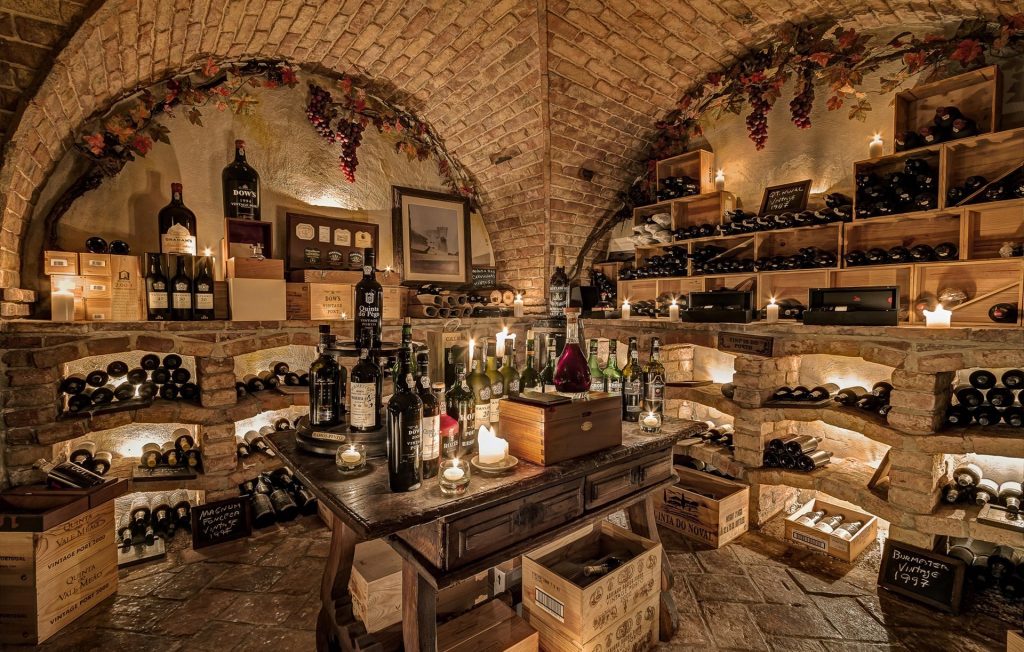

Introduction
Porto is a historic city in northern Portugal, famous for its stunning riverside views, medieval architecture, and as the birthplace of Port wine. Located along the Douro River, Porto blends rich cultural heritage with vibrant modern life. It’s known for its charming old town, UNESCO World Heritage sites, lively food scene, and, of course, its world-renowned wine cellars where Port wine is aged and stored. Porto is a must-visit destination for anyone interested in history, wine, and authentic Portuguese culture.
- Introduction to Port Wine and Its Origins
Port wine is a fortified wine produced exclusively in Portugal’s Douro Valley, and Porto is the gateway to this world-famous drink. The wine’s rich history dates back to the 17th century, when British merchants began aging the wine in Porto’s cellars to stabilize it for long sea voyages. The unique method of fortification, adding brandy to stop fermentation, preserves natural sweetness and creates the distinct Port style. - Location of the Wine Cellars
Most of Porto’s iconic wine cellars are located across the Douro River in Vila Nova de Gaia, a city that sits just south of Porto proper. This area was chosen historically for its cool, damp climate, ideal for aging Port. Crossing the famous Dom Luís I Bridge offers stunning views and leads visitors to dozens of cellars along the riverbank. - Types of Port Wine Available
In the cellars, you’ll find various types of Port, including Ruby, Tawny, White, and Vintage Ports. Ruby Ports are young and fruity, Tawny Ports are aged longer and have a nutty flavor, Vintage Ports are rare and aged in bottles, while White Ports offer a lighter, refreshing alternative. Each type has unique characteristics and pairing options. - What to Expect from a Wine Cellar Tour
Porto wine cellar tours typically include a walk through the underground aging caves, explanations of the production and aging processes, and tastings of several Port varieties. Guides often share stories about the history of the winery and the wine families behind them. Tours last from 45 minutes to 1.5 hours and are suitable for beginners and experts alike. - Best Wine Cellars to Visit
Some of the most famous and visitor-friendly wine cellars include Cálem, Graham’s, Taylor’s, Sandeman, and Ferreira. Each offers a slightly different experience—from grand historic buildings to intimate boutique tastings. Booking in advance is recommended, especially during peak tourist season. - Tips for Enjoying Your Visit
To make the most of your cellar visit, consider the following: wear comfortable shoes for walking on uneven cellar floors, ask plenty of questions to deepen your understanding, and pace your tastings to fully appreciate each style. Pair the tasting with local snacks like cheese and cured meats when available. - Understanding Port Wine Labels
Reading Port wine labels can be confusing at first. Key terms to look for include “Reserve,” indicating a higher quality blend; “Late Bottled Vintage (LBV),” which is aged longer in barrels before bottling; and “Single Quinta Vintage,” from a single vineyard. Your guide will often explain these terms during the tour. - Buying Port Wine at the Cellars
Most cellars have shops where you can buy bottles to take home. Many offer exclusive vintages or limited editions not found elsewhere. Prices vary widely, so it’s good to set a budget. Shipping options are often available for international visitors. - Other Experiences Around the Wine Cellars
Besides wine tasting, the Gaia riverside area is full of charming cafés, restaurants, and viewpoints. After your cellar visit, take a stroll along the riverfront, enjoy a traditional Portuguese meal, or visit the nearby Port wine museums. Many tours combine cellar visits with boat trips on the Douro River. - Best Time to Visit and Booking Advice
The best time to visit Porto’s wine cellars is during the spring and fall, when the weather is mild and crowds are smaller. Summer sees a rush of tourists, so booking tours ahead is essential. Winter offers a cozy, quiet experience but check for any seasonal closures.
Where to stay in Porto
- Ribeira (Historic Riverside District)
- Perfect for first-time visitors who want to be right in the heart of Porto’s old town.
- Cobblestone streets, colorful buildings, river views, and close to major attractions like Dom Luís I Bridge and wine cellars.
- Lots of cafés, bars, and restaurants nearby.
- Great for walking and soaking in Porto’s atmosphere.
- Baixa (Downtown Porto)
- The city center with shopping, museums, and lively squares like Praça da Liberdade.
- Excellent public transport connections and easy access to train stations.
- Plenty of hotels ranging from boutique to budget-friendly.
- Cedofeita
- Trendy neighborhood with art galleries, cafés, and a youthful vibe.
- Less touristy and quieter but still close to downtown.
- Good for visitors looking for a more local experience.
Things to Do in Porto
- Explore Ribeira District
Wander through the UNESCO-listed historic district along the Douro River. Enjoy colorful streets, riverside cafés, and lively atmosphere. - Visit the Port Wine Cellars in Vila Nova de Gaia
Take a guided tour and tasting at famous cellars like Taylor’s, Graham’s, or Sandeman. Learn about Port wine’s history and production. - Walk Across Dom Luís I Bridge
This iconic double-deck iron bridge connects Porto and Gaia. The views from the top level are breathtaking, especially at sunset.
Day Trip from Porto
Why go?
The Douro Valley is one of the world’s oldest wine regions and a UNESCO World Heritage site, just about 1.5 hours from Porto. It’s famous for its stunning terraced vineyards, picturesque villages, and, of course, Port wine production.
What you’ll do:
- Travel along the Douro River by car, bus, or organized tour.
- Visit traditional Quintas (wine estates) where you can tour the vineyards and cellars.
- Enjoy tastings of Port and regional Douro wines paired with local snacks.
- Explore charming towns like Peso da Régua or Pinhão, with opportunities for riverside walks or visiting wine museums.
- Optional: Take a scenic boat ride on the Douro River to admire the landscape from the water.