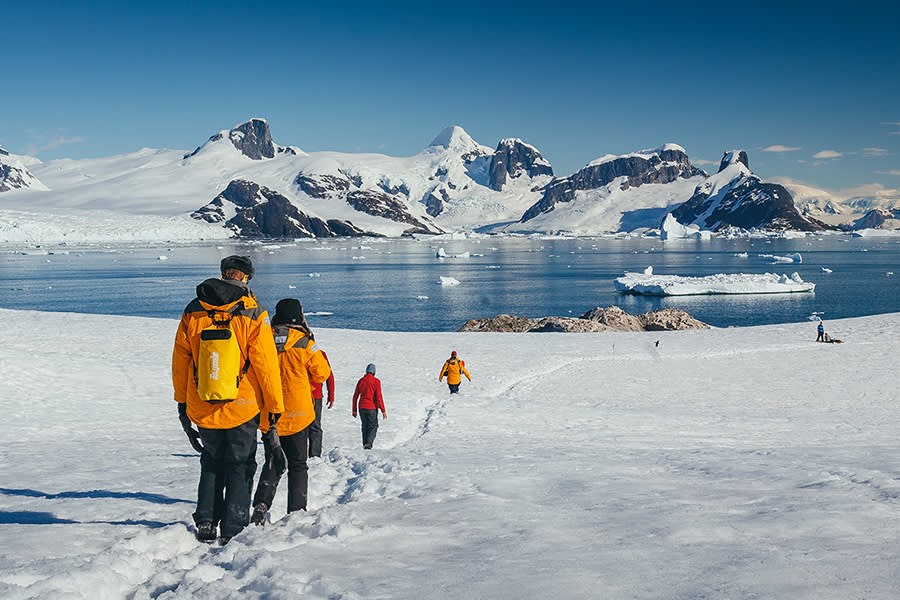

Introduction
Antarctica is Earth’s southernmost continent, located around the South Pole. It’s the coldest, windiest, and driest continent, covered almost entirely by ice. Despite its harsh conditions, Antarctica is home to unique wildlife like penguins, seals, and whales. It’s a place of scientific research, pristine natural beauty, and extreme adventure, attracting explorers and scientists from around the world.
- Prepare Physically and Mentally
Polar trekking in the Arctic is physically demanding and mentally challenging. The cold, unpredictable weather, and difficult terrain require excellent physical fitness. Start training months in advance with endurance exercises like hiking, running, and strength training. Mental preparation is just as important—expect long, cold days, isolation, and tough conditions. Building resilience and a positive mindset will help you stay focused and motivated throughout your journey.
- Dress in Layers for Optimal Warmth
Layering is essential to regulate your body temperature in the Arctic’s extreme cold. Start with a moisture-wicking base layer to keep sweat off your skin. Add insulating mid-layers like fleece or down jackets for warmth. Finally, use a waterproof and windproof outer shell to protect against harsh winds and snow. Avoid cotton, which traps moisture and leads to chilling. Proper layering helps you adjust your clothing quickly as conditions change.
- Choose the Right Footwear
Your feet are vulnerable to cold and injuries during polar treks. Invest in high-quality, insulated, waterproof boots designed for Arctic conditions. Boots should have a good grip for icy surfaces and enough space to wear thick socks without restricting circulation. Use moisture-wicking wool socks, and consider bringing multiple pairs to change if your feet get wet. Proper foot care, including drying your feet regularly and treating any blisters immediately, is critical to prevent frostbite.
- Protect Your Face and Extremities
Frostbite commonly affects fingers, toes, ears, and the face. Wear insulated gloves or mittens with liners, and keep spare pairs dry. Use a balaclava, neck gaiter, or face mask to shield your face from biting winds and frostbite risk. Goggles or sunglasses protect your eyes from snow blindness caused by UV reflection off ice and snow. Apply a high SPF sunscreen on exposed skin even in cold weather to prevent UV damage.
- Carry Essential Survival Gear
Being prepared with the right gear can be lifesaving. Essential items include a GPS device or compass, map, emergency shelter, extra food and water, first aid kit, and a reliable communication device like a satellite phone or beacon. Carry a multi-tool, waterproof matches or a lighter, and an insulated sleeping bag rated for extreme cold. Always plan for emergencies by knowing how to use your gear and having contingency plans.
- Stay Hydrated and Nourished
Despite the cold, hydration is critical. You lose fluids through breathing cold, dry air and sweating under layers. Drink plenty of water throughout the day, using insulated bottles or thermoses to prevent freezing. Eat high-calorie, nutrient-dense foods to maintain energy and warmth. Snacks like nuts, dried fruit, energy bars, and chocolate provide quick energy boosts. Regular meals and snacks keep your metabolism active to generate body heat.
- Learn to Navigate Arctic Terrain
The Arctic landscape can be disorienting with vast expanses of ice and snow. Use a map, compass, and GPS for accurate navigation. Be aware of crevasses, thin ice, and hidden hazards beneath snow. Travel during daylight hours whenever possible, as darkness increases risks. If you’re traveling in a group, maintain visual contact and use a buddy system for safety. Learn to read weather signs to avoid storms and whiteouts.
- Respect Wildlife and Environment
The Arctic is home to unique wildlife like polar bears, seals, and Arctic foxes. Maintain a safe distance from animals and never feed or approach them. Carry deterrents like bear spray and know how to react in case of encounters. Follow Leave No Trace principles to minimize your environmental impact—pack out all waste, avoid disturbing vegetation, and camp on durable surfaces. Preserving the fragile Arctic ecosystem is crucial for future generations.
- Monitor Weather and Conditions Constantly
Weather in the Arctic changes rapidly and can be severe. Check forecasts regularly before and during your trek. Be prepared to change your plans if storms or extreme cold set in. Wind chill can make temperatures feel much colder and increase frostbite risk. Learn to recognize signs of hypothermia and frostbite in yourself and companions. Staying alert and flexible ensures your safety and helps you avoid dangerous situations.
- Travel with Experienced Guides or Groups
If you’re new to polar trekking, consider joining guided expeditions with experienced leaders. Guides know the terrain, weather patterns, and emergency protocols. Traveling in groups increases safety, provides mutual support, and enhances the overall experience. Group members can share skills and responsibilities like navigation, camp setup, and first aid. Whether you go solo or with others, thorough planning, respect for the environment, and constant caution are key to a successful Arctic trek.
Where to Stay in Antarctica
- Research Stations
The most permanent “accommodations” in Antarctica are the scientific research stations operated by various countries. These facilities house scientists and support staff year-round, but they generally don’t accept tourists overnight. However, some expeditions include brief visits to these stations where visitors can learn about research and life in Antarctica. - Expedition Cruises
The most common way tourists “stay” in Antarctica is on board expedition cruise ships. These vessels serve as both transport and accommodation, offering cabins with varying levels of comfort—from cozy shared rooms to luxury suites. Cruises range from basic to high-end, often featuring expert guides, naturalists, and even zodiac boats for landing on shore. - Icebreaker Ships
Some tours use icebreaker ships capable of navigating thicker sea ice to reach more remote parts of Antarctica. These ships also have onboard cabins and facilities similar to cruise ships but with a stronger focus on exploration and adventure.
Things to Do in Antarctica
- Wildlife Watching
Antarctica is famous for its unique wildlife. You can observe penguins (like Adélie, Gentoo, and Emperor), seals (such as Weddell and leopard seals), whales (including orcas and humpbacks), and a variety of seabirds. Wildlife is most active during the summer months, making it an unforgettable experience. - Zodiac Boat Excursions
Small inflatable boats called Zodiacs allow visitors to get close to icebergs, glaciers, and wildlife along the coast. These excursions offer a thrilling and intimate way to explore areas that larger ships can’t access. - Kayaking
For the more adventurous, kayaking among the ice floes and around pristine shorelines offers a unique perspective on Antarctica’s icy wilderness. Guided tours provide safety and help you
Day trip from Antarctica
- Zodiac Landings
Most Antarctic cruises include multiple short day trips using Zodiac boats to land on the continent or nearby islands. These landings let you explore wildlife colonies, glaciers, and historic sites for a few hours before returning to the ship. - Hiking Excursions
During these day landings, guided hikes on the ice or rocky shorelines allow visitors to experience Antarctica’s terrain safely. - Visits to Research Stations
Some day trips include stops at scientific research stations, where you can learn about ongoing Antarctic research.