
Introduction
Antarctica is Earth’s southernmost continent, located around the South Pole. It’s the coldest, windiest, and driest continent, covered almost entirely by ice. Despite its harsh conditions, Antarctica is home to unique wildlife like penguins, seals, and whales. It’s a place of scientific research, pristine natural beauty, and extreme adventure, attracting explorers and scientists from around the world.
- Introduction to Polar Research Station Tours
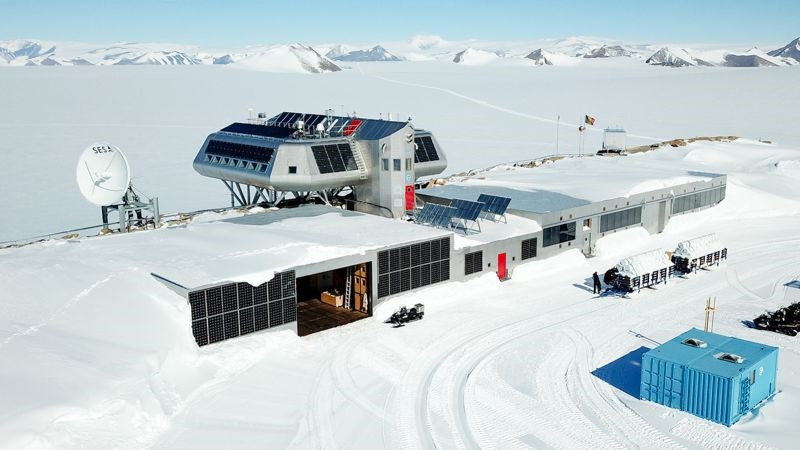
Polar research station tours offer a once-in-a-lifetime opportunity to explore some of the most remote and scientifically significant locations on Earth. These tours give participants a behind-the-scenes look at the vital work being done in the Arctic and Antarctic regions—areas that are critical to our understanding of climate change, ocean systems, and biodiversity. These are not just travel adventures; they are immersive learning experiences that connect visitors with frontline scientific research and the stark beauty of the polar environment. - Discover the Science Behind the Scenes
Visiting a polar research station is like stepping into a live documentary. Guests are introduced to scientists who study everything from atmospheric changes and ocean currents to ice cores and endemic species. Many stations, such as McMurdo Station in Antarctica or Ny-Alesund in Svalbard, offer guided tours led by researchers who explain their work in an engaging and accessible way. This firsthand experience makes abstract topics like climate science, glaciology, and marine biology come to life in a way no textbook ever could. - Unique Wildlife Encounters
Polar tours often include rare opportunities to observe wildlife that thrives in these icy ecosystems. In Antarctica, visitors may see penguins, seals, and seabirds in their natural habitats. In the Arctic, there’s the chance to spot polar bears, walruses, Arctic foxes, and migratory birds. Tour guides and scientists educate participants on the adaptations of these species and the conservation efforts underway to protect them from the rapidly changing environment. - Exclusive Access to Remote Locations
Access to polar research stations is highly restricted, making these tours extremely exclusive. Guests typically travel via specially equipped ships—often icebreakers—or aircraft designed for polar conditions. These vessels may stop at multiple points of interest, including ice shelves, scientific field sites, and historic exploration landmarks. This level of access gives participants a sense of adventure and privilege, as they set foot in regions most people will never see in person. - Learn About Human Adaptation and Innovation
Life at a polar research station is not just about surviving—it’s about thriving in the harshest environments on Earth. Tours often showcase the incredible infrastructure and logistical planning required to support year-round research. Visitors learn how energy is generated, how supplies are delivered, and how researchers cope with months of darkness or constant daylight. It’s an eye-opening look at human ingenuity and resilience in extreme conditions. - Witness the Impacts of Climate Change Up Close
One of the most powerful aspects of a polar research tour is seeing the effects of climate change with your own eyes. Melting glaciers, shifting ice sheets, and changing wildlife migration patterns are more than just headlines—they’re observable realities in the polar regions. Scientists often share real-time data and long-term studies with visitors, making the urgency of climate action feel immediate and personal. - Participate in Citizen Science Activities
Some tours offer visitors the chance to participate in data collection or simple research tasks, contributing to real scientific projects. This could include taking sea ice measurements, observing wildlife behavior, or helping with weather balloon launches. These hands-on activities deepen engagement and provide a sense of contribution to global scientific knowledge. It’s an empowering way to turn passive learning into active involvement. - Cultural and Historical Context
Polar tours also highlight the human history of exploration in these regions. From the heroic age of Antarctic exploration led by figures like Ernest Shackleton and Roald Amundsen, to the modern international collaborations under the Antarctic Treaty System, the story of human presence in the polar regions is rich and inspiring. Many tours include visits to historic huts, memorials, and information sessions about indigenous Arctic communities, adding cultural depth to the scientific focus. - Emphasis on Sustainable Tourism
Tour operators who offer polar research station experiences are typically committed to strict environmental and ethical guidelines. Group sizes are kept small, and visitor behavior is carefully managed to minimize impact on delicate ecosystems. Educational programs often include sustainability briefings to ensure guests understand the importance of conservation. The goal is to inspire visitors to become ambassadors for the polar regions and advocates for environmental stewardship in their own communities. - A Transformative Personal Experience
Perhaps the most lasting impact of a polar research station tour is the personal transformation it often inspires. Standing at the ends of the Earth, surrounded by vast silence, ancient ice, and brilliant stars, gives visitors a profound sense of connection to the planet. Many return home with a renewed perspective on global issues, a deeper respect for science, and a lifelong commitment to protecting the natural world. These tours aren’t just trips—they’re turning points.
Where to Stay in Antarctica
- Research Stations
The most permanent “accommodations” in Antarctica are the scientific research stations operated by various countries. These facilities house scientists and support staff year-round, but they generally don’t accept tourists overnight. However, some expeditions include brief visits to these stations where visitors can learn about research and life in Antarctica. - Expedition Cruises
The most common way tourists “stay” in Antarctica is on board expedition cruise ships. These vessels serve as both transport and accommodation, offering cabins with varying levels of comfort—from cozy shared rooms to luxury suites. Cruises range from basic to high-end, often featuring expert guides, naturalists, and even zodiac boats for landing on shore. - Icebreaker Ships
Some tours use icebreaker ships capable of navigating thicker sea ice to reach more remote parts of Antarctica. These ships also have onboard cabins and facilities similar to cruise ships but with a stronger focus on exploration and adventure.
Things to Do in Antarctica
- Wildlife Watching
Antarctica is famous for its unique wildlife. You can observe penguins (like Adélie, Gentoo, and Emperor), seals (such as Weddell and leopard seals), whales (including orcas and humpbacks), and a variety of seabirds. Wildlife is most active during the summer months, making it an unforgettable experience. - Zodiac Boat Excursions
Small inflatable boats called Zodiacs allow visitors to get close to icebergs, glaciers, and wildlife along the coast. These excursions offer a thrilling and intimate way to explore areas that larger ships can’t access. - Kayaking
For the more adventurous, kayaking among the ice floes and around pristine shorelines offers a unique perspective on Antarctica’s icy wilderness. Guided tours provide safety and help you
Day trip from Antarctica
- Zodiac Landings
Most Antarctic cruises include multiple short day trips using Zodiac boats to land on the continent or nearby islands. These landings let you explore wildlife colonies, glaciers, and historic sites for a few hours before returning to the ship. - Hiking Excursions
During these day landings, guided hikes on the ice or rocky shorelines allow visitors to experience Antarctica’s terrain safely. - Visits to Research Stations
Some day trips include stops at scientific research stations, where you can learn about ongoing Antarctic research.