
1. Start with a Packing List
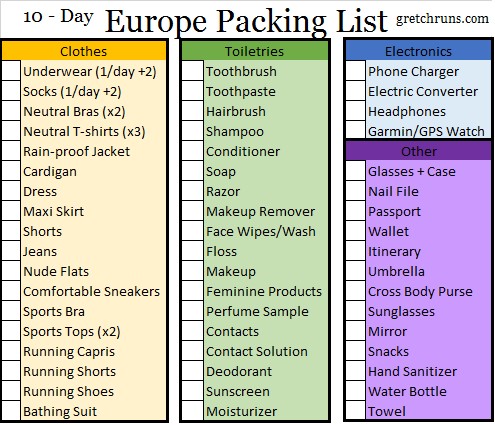
Before you even open your suitcase, make a list. It may sound basic, but a detailed checklist can be a game-changer. Break your list into categories such as:
- Clothing
- Toiletries
- Electronics
- Travel Documents
- Health and Safety
- Miscellaneous
Start building your list a week or two in advance so you can add items as they come to mind. Apps like PackPoint or Google Keep can help you stay organized.
2. Pack Light and Smart
Europe’s charm often lies in its walkable cities, cobblestone streets, and historic buildings — many of which don’t come with elevators. Hauling a heavy suitcase up narrow staircases or through busy train stations isn’t fun. Opt for a lightweight, durable suitcase or a travel backpack and aim to pack just enough for 7–10 days, even if your trip is longer.
Pro Tip: Use packing cubes to keep your suitcase organized. They save space and make it easy to access what you need without unpacking everything.
3. Choose Versatile Clothing
Europe’s weather can vary dramatically depending on the region and season. Layers are your best friend.
Base your wardrobe on these principles:
- Neutral colors that mix and match easily
- Lightweight layers: Think t-shirts, cardigans, scarves
- One or two dressy outfits: Many European restaurants and events have a smart-casual dress code
- A waterproof jacket or windbreaker for unpredictable weather
- Comfortable walking shoes (you’ll be walking—a lot!)
- One pair of nice shoes for evenings out
Spring/Fall: Add a warm sweater and light jacket.
Summer: Bring breathable fabrics, a hat, and sunglasses.
Winter: Pack thermals, a heavy coat, gloves, a scarf, and a hat.
4. Limit Your Shoes
Shoes take up a lot of space. Limit yourself to 3 pairs max:
- Walking shoes/sneakers (your primary pair)
- Dressy shoes for evenings
- Sandals or flip-flops (especially if you’ll be visiting warmer climates or beach towns)
Make sure you’ve broken in your walking shoes before your trip — no one wants blisters on vacation.
5. Don’t Forget the Travel Essentials
These often-overlooked items can make your trip smoother:
- Power adapter/converter (Europe uses 220V and various plug types)
- Reusable water bottle (tap water is safe to drink in most of Europe)
- Travel-size laundry detergent (for quick sink washes)
- Tote bag or foldable daypack for daily outings or shopping
- Sleep mask and earplugs (great for flights, trains, or noisy hostels)
- Travel umbrella or packable raincoat
6. Stay Organized with Travel Documents
Always carry these essentials with you — and back them up digitally:
- Passport (with at least 6 months validity)
- Visas (check entry requirements for each country)
- Travel insurance documents
- Flight/train tickets
- Accommodation bookings
- Emergency contact info
- A copy of your itinerary
Use a document organizer or travel wallet to keep everything together, and store backups in your email or cloud storage.
7. Tech Gear You’ll Actually Use
There’s no need to bring your entire electronics drawer. These essentials should do the trick:
- Smartphone (with offline maps downloaded in advance)
- Portable charger/power bank
- Headphones or earbuds
- Camera or GoPro (if you’re into photography)
- E-reader or tablet (for long rides or downtime)
Tip: Consider getting a European SIM card or an international data plan so you can stay connected without racking up roaming charges.
8. Mind the Toiletries
You’ll find most basic toiletries in Europe, so don’t overpack. That said, it’s good to bring:
- Travel-sized shampoo/conditioner
- Toothbrush, toothpaste, floss
- Deodorant
- Razor
- Sunscreen and lip balm
- Any prescription medications
- Makeup (if you wear it), moisturizer, etc.
Use a hanging toiletry bag to save space in small hotel bathrooms.
9. Pack for Safety and Health
Especially in crowded tourist areas, pickpocketing can be an issue. These items will help you stay safe:
- Money belt or neck pouch
- RFID-blocking wallet
- Crossbody bag with a zipper
- First-aid kit (plasters, pain relievers, anti-diarrhea tablets)
- Hand sanitizer and disinfectant wipes
- Face masks (still required in some places, especially healthcare settings)
If you have any medical conditions, bring documentation and extra meds — it’s always better to be over-prepared.
10. Save Space for Souvenirs
You’ll likely want to bring back wine from France, chocolates from Switzerland, or fashion from Milan. Leave room in your luggage or consider packing a foldable duffel bag for your return trip.
If shopping is high on your list, weigh your bag before flying home — some budget airlines in Europe are strict about weight limits.
11. Travel Apps That Make Life Easier
Load these apps before your trip:
- Google Maps (with offline mode)
- Google Translate or iTranslate
- Rome2Rio or Omio for transportation planning
- XE Currency for conversion rates
- TripIt to organize your itinerary
- WhatsApp for messaging locals or tour guides
12. Understand Cultural Expectations
Each country in Europe has its own customs. For example:
- Modest clothing may be required in churches and religious sites.
- Shoes off is a common rule in some guesthouses or Airbnbs.
- Tipping norms vary: It’s customary in Italy and France but less so in Scandinavia.
- Quiet voices are appreciated in public places like trains and restaurants.
Packing appropriately is also a sign of respect — always check local customs before your visit.
13. Seasonal Packing Quick Guide
Here’s a cheat sheet for what to prioritize based on the time of year:
Spring (March–May):
- Layers, light sweater, waterproof jacket
- Mix of warm and cool-weather clothing
Summer (June–August):
- Lightweight fabrics, sunscreen, sunglasses
- Hat, sandals, and lots of water
Fall (September–November):
- Light layers, scarf, closed-toe shoes
- Umbrella or rain gear
Winter (December–February):
- Warm coat, gloves, boots
- Thermal layers and moisture-wicking fabrics
14. Be Flexible, But Prepared
No packing guide can cover every scenario. Travel is unpredictable, and part of the joy is embracing the unknown. That said, a well-packed bag gives you the freedom to enjoy your adventures without stress. Remember: if you forget something, chances are you can buy it in Europe!