
Introduction
New Zealand is a beautiful island country located in the southwestern Pacific Ocean, made up mainly of two large islands—the North Island and the South Island—plus numerous smaller islands. Known for its stunning natural landscapes, from rugged mountains and fjords to pristine beaches and lush forests, New Zealand offers diverse environments and outdoor adventures.
- Introduction to the Southern Alps
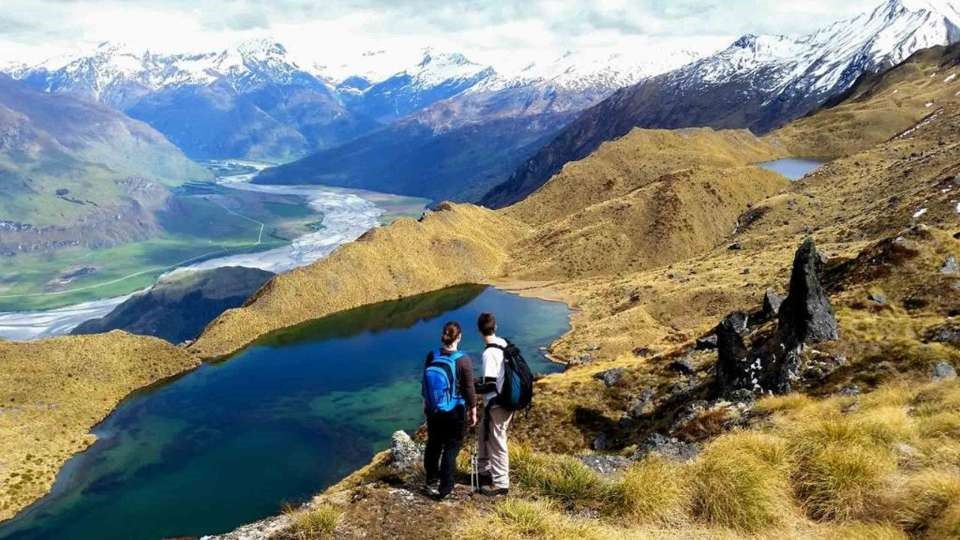
The Southern Alps form the majestic backbone of New Zealand’s South Island, stretching over 500 kilometers from Fiordland in the southwest to Nelson Lakes in the northeast. This mountain range includes some of the country’s most iconic landscapes and highest peaks, including Aoraki / Mount Cook at 3,724 meters. Trekking here is not just about reaching destinations—it’s about immersing yourself in a raw, ever-changing alpine wilderness filled with glacial valleys, ancient forests, and pure, unfiltered air. The region attracts hikers from around the world seeking both physical challenge and spiritual renewal in one of the last unspoiled mountain regions on Earth. - World-Class Tracks and Trails
New Zealand’s Southern Alps are home to several of the country’s Great Walks, which are well-maintained, multi-day hiking trails showcasing the finest scenery. The Routeburn Track, Milford Track, and Kepler Track are among the most popular, each offering unique terrain—from rainforests and alpine meadows to dramatic fiords and glacial valleys. For those with limited time, shorter walks like the Hooker Valley Track provide striking views of Mount Cook and nearby glaciers. These tracks are well-signposted and offer a mix of hut accommodation and backcountry camping. - Aoraki / Mount Cook National Park
This national park is the heart of the Southern Alps, where New Zealand’s highest peaks rise steeply above vast river valleys and blue glacial lakes. Treks here are characterized by alpine scenery, including hanging glaciers, icefalls, and moraine fields. The Mueller Hut Route is a challenging yet rewarding day or overnight trek with unparalleled views of Aoraki / Mount Cook and the surrounding peaks. The region is also a dark sky reserve, making it one of the best places in the world for stargazing after a day of hiking. - Weather and Terrain Challenges
Trekking in the Southern Alps demands respect for the region’s highly changeable weather. Conditions can shift from sunshine to snowstorms within hours, even in summer. Proper preparation is essential: sturdy boots, layered clothing, and waterproof gear are a must. Some tracks cross exposed ridgelines, swing bridges, and river crossings that may become dangerous after rain. While many trails are suitable for fit beginners, others—such as Gillespie Pass or Cascade Saddle—require alpine experience and navigation skills. Weather and terrain contribute to the sense of adventure and isolation that defines trekking in this part of the world. - Flora and Fauna Encounters
The Southern Alps are home to a diverse range of native species. Beech forests dominate the lower elevations, giving way to alpine tussock and flowering herbs like mountain daisies and edelweiss. Unique birdlife includes the cheeky kea, the world’s only alpine parrot, and the elusive rock wren. In more remote areas, you might hear the haunting call of the great spotted kiwi at night. Introduced animals like deer, chamois, and stoats have also affected native ecosystems, but conservation efforts are ongoing to protect these fragile alpine environments. - Guided vs. Independent Trekking
whether you choose to go guided or self-guided depends on your experience level and comfort with backcountry conditions. Guided treks often include transportation, gear, meals, and a knowledgeable guide who enhances the experience with insights into ecology, geology, and Māori history. Companies like Ultimate Hikes offer lodge-based treks on the Milford and Routeburn Tracks. For independent hikers, New Zealand’s Department of Conservation (DOC) maintains a vast network of backcountry huts, ranging from basic shelters to well-equipped lodges. Bookings are essential during peak season (November to April). - Cultural and Historical Significance
Trekking in the Southern Alps is not just a physical journey—it’s also a cultural one. These mountains hold deep significance for the Māori people, especially Aoraki / Mount Cook, which is considered the sacred ancestor of the Ngāi Tahu iwi (tribe). Interpretive signs along major tracks highlight Māori legends, early European exploration, and the legacy of pioneering mountaineers like Sir Edmund Hillary. Understanding these stories adds a layer of depth to the landscape and reminds trekkers of the land’s cultural richness. - Best Time to Trek
The ideal trekking season in the Southern Alps is from late November to early April, when the weather is generally more stable and the days are longer. Summer offers blooming alpine flowers, clear skies, and flowing rivers. Shoulder seasons—early spring and late autumn—can be quieter but may involve snow and unpredictable conditions. Winter trekking is possible in some areas, but only for experienced hikers equipped for snow travel and avalanche awareness. Always check the DOC website for up-to-date trail conditions and seasonal closures before setting out. - Sustainability and Environmental Care
New Zealand has a strong culture of environmental stewardship, and trekkers are encouraged to follow the Leave No Trace principles. This includes carrying out all rubbish, using designated toilets, and staying on marked trails to prevent erosion and protect native plants. Many areas in the Southern Alps are part of national parks or conservation lands, and permits or hut bookings help support ongoing maintenance and conservation efforts. Respecting these guidelines ensures that future generations can also experience the region’s untouched beauty. - Conclusion: A Trekker’s Paradise
Trekking in New Zealand’s Southern Alps is more than a physical activity—it’s an immersion into a land where nature dominates and human impact is minimal. With its mix of easily accessible trails and remote alpine routes, the region offers something for every kind of adventurer. Whether you’re a seasoned backpacker looking for solitude or a first-time trekker seeking iconic views, the Southern Alps deliver a deeply rewarding, unforgettable experience. The landscape doesn’t just inspire awe—it fosters resilience, humility, and a lasting connection to the natural world.
Where to stay in New Zealand
North Island
- Auckland – Gateway to NZ
- Why stay? Vibrant city life, harbor views, shopping, and food.
- Top areas: CBD (Central Business District), Ponsonby, Viaduct Harbour, Parnell.
- Recommended stays:
- Luxury: Park Hyatt Auckland, SO/ Auckland
- Mid-range: Hotel Grand Windsor, M Social
- Budget: Haka Lodge, Attic Backpackers
- Rotorua – Culture & Geothermal Wonders
- Why stay? Māori culture, geysers, hot springs.
- Top areas: City Center, Lake Rotorua, Whakarewarewa.
- Recommended stays:
- Luxury: Pullman Rotorua, Regent of Rotorua
- Mid-range: Quest Rotorua Central, Prince’s Gate Hotel
- Budget: Rotorua Thermal Holiday Park, Rock Solid Backpackers
- Taupō – Adventure & Lakeside Scenery
- Why stay? Lake Taupō, skydiving, hiking.
- Top areas: Lakefront, Taupō Central.
- Recommended stays:
- Luxury: Hilton Lake Taupo
- Mid-range: Acacia Lake View Motel
- Budget: Taupō Urban Retreat, Haka Lodge Taupō
Things to do in New Zealand
- Explore Milford Sound (Fiordland National Park)
Often called the “Eighth Wonder of the World,” Milford Sound offers breathtaking fjords, towering waterfalls, and wildlife like seals and dolphins. Take a scenic cruise or kayak through the dramatic landscapes.
- Visit Hobbiton Movie Set
Fans of The Lord of the Rings and The Hobbit will love touring the Hobbiton movie set in Matamata. Wander through the Shire with its charming hobbit holes, gardens, and the Green Dragon Inn.
- Go Bungee Jumping in Queenstown
Queenstown is the adventure capital of New Zealand and home to the original commercial bungee jump. Try the Kawarau Bridge jump for an adrenaline rush with stunning river views.
Day trip from New Zealand
- From Auckland: Waiheke Island
Just a 40-minute ferry ride from Auckland, Waiheke Island offers stunning beaches, boutique wineries, olive groves, and great cafes. Enjoy wine tastings, art galleries, and coastal walks all in one day.
- From Wellington: Martinborough Wine Region
About an hour’s drive from Wellington, Martinborough is famous for its Pinot Noir and charming village vibe. Spend the day visiting cellar doors, enjoying gourmet food, and exploring local shops.
- From Queenstown: Glenorchy and Paradise Valley
A scenic 45-minute drive from Queenstown, Glenorchy is the gateway to incredible hiking trails and stunning landscapes used in The Lord of the Rings. Paradise Valley offers incredible photo ops and peaceful nature.