
📌 1. Entry Requirements and Visas
Most travelers need a visa to enter Myanmar. The easiest way is to apply online for a Myanmar eVisa, which is available for citizens of over 100 countries. The tourist visa allows a stay of up to 28 days and is typically valid for 90 days from the date of issue.
Where to Apply:
- Official eVisa site: https://evisa.moip.gov.mm
Visa Tips:
- Print a copy of your eVisa approval letter.
- Make sure your passport is valid for at least 6 months.
- You must enter Myanmar via one of the designated airports or land border checkpoints listed on the site.
✈️ 2. How to Get There
Myanmar is accessible by air from major cities in Asia such as Bangkok, Kuala Lumpur, Singapore, and Hanoi. The main international airport is Yangon International Airport (RGN), followed by Mandalay (MDL) and Nay Pyi Taw (NYT).
Popular Airlines:
- Myanmar Airways International (MAI)
- Thai Airways
- AirAsia
- Singapore Airlines
🕒 3. Best Time to Visit
Myanmar has a tropical monsoon climate, divided into three main seasons:
- Cool Season (Nov–Feb): The best time to visit. Pleasant weather, especially for exploring temples and trekking.
- Hot Season (Mar–May): Temperatures soar above 35°C (95°F), especially in Mandalay and Bagan.
- Rainy Season (Jun–Oct): Lush green landscapes, fewer tourists, but travel disruptions may occur.
Travel Express Tip: November to February is peak tourist season. Book accommodation early during these months.
💱 4. Currency and Budgeting
The official currency is the Myanmar Kyat (MMK). Cash is king, especially in rural areas, though credit cards are becoming more common in major cities and hotels.
Currency Tips:
- Bring crisp, new US dollars—preferably $50 or $100 bills.
- Exchange money at banks or official counters, not on the street.
- Keep small denominations for local markets and transport.
Daily Budget Estimates:
- Budget: $20–$40 (hostels, street food, buses)
- Mid-range: $50–$100 (guesthouses, domestic flights, guided tours)
- Luxury: $150+ (resorts, private drivers, fine dining)
📶 5. Internet, SIM Cards & Connectivity
Internet in Myanmar is generally reliable in cities but can be slow or spotty in rural areas. Most hotels and cafes offer free Wi-Fi.
Local SIM Cards:
- MPT, Ooredoo, and Telenor are the main providers.
- You can buy SIM cards at the airport or local stores.
- Top-up data packages are affordable and easy to use.
🛏️ 6. Accommodation Options
Myanmar offers a range of accommodations—from budget hostels to luxurious resorts. You’ll find traditional teak guesthouses in small towns and boutique hotels with colonial charm in cities.
Top Picks by Travel Express:
- Yangon: The Strand Hotel (luxury), Little Yangon Hostel (budget)
- Bagan: Aureum Palace Hotel (luxury), Ostello Bello Hostel (budget)
- Inle Lake: Novotel Inle Lake, Gypsy Inn
- Mandalay: Mandalay Hill Resort, Hotel Yadanarbon
🍜 7. What to Eat and Drink
Burmese cuisine is flavorful and influenced by Indian, Thai, and Chinese culinary traditions. Rice and noodles are staples, often accompanied by curry, pickled vegetables, or soups.
Must-Try Dishes:
- Mohinga: Rice noodle soup with fish broth—Myanmar’s national dish.
- Tea Leaf Salad (Lahpet Thoke): Fermented tea leaves, nuts, and beans.
- Shan Noodles: Simple, delicious noodle dish from Shan State.
- Burmese Curry: Usually served with a dozen side dishes.
Drinks:
- Try local tea houses—they’re cultural hubs!
- Myanmar Beer is the most popular local brew.
- Avoid tap water; always drink bottled or filtered water.
🚐 8. Getting Around
Transportation in Myanmar is an adventure in itself. Options range from domestic flights to scenic train rides and long-distance buses.
Transport Types:
- Domestic Flights: Fastest option for long distances (e.g., Yangon to Bagan).
- Buses: Comfortable VIP night buses connect major cities.
- Trains: Slow but scenic, especially the Gokteik Viaduct route.
- Taxis & Tuk-tuks: Available in cities; always agree on a fare first.
- Bicycle & E-bike Rentals: Popular in Bagan for exploring temples.
🕌 9. Top Places to Visit
Bagan
Home to over 2,000 ancient temples, Bagan is a dream for history lovers and photographers. Don’t miss the chance to take a hot air balloon ride at sunrise!
Inle Lake
A serene lake surrounded by stilt villages and floating gardens. Explore by long-tail boat, meet the Intha fishermen, and shop at the 5-day rotating market.
Yangon
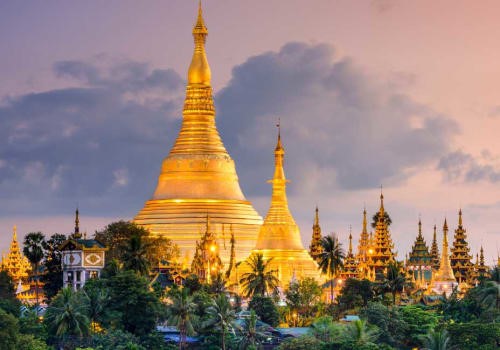
Myanmar’s largest city, where colonial architecture meets Buddhist devotion. Visit the Shwedagon Pagoda, one of the most sacred sites in the country.
Mandalay
A cultural hub with royal history. Highlights include Mandalay Hill, U Bein Bridge, and the ancient cities of Amarapura and Sagaing.
Ngapali Beach
Looking to unwind? Head to Ngapali for white sands, palm trees, and clear waters. It’s perfect for beach bums and seafood lovers alike.
🧘♀️ 10. Culture, Customs & Etiquette
Myanmar is a deeply Buddhist country where customs and traditions are highly respected. A little cultural sensitivity goes a long way.
Do’s:
- Dress modestly, especially when visiting temples.
- Remove shoes and socks before entering religious sites.
- Use both hands when giving or receiving something.
- Greet people with a smile—it’s universal here.
Don’ts:
- Don’t touch anyone on the head (considered sacred).
- Don’t point your feet at people or sacred objects.
- Avoid public displays of affection.
- Never climb on temples or sacred statues.
🩺 11. Health and Safety
Myanmar is generally safe for travelers, but some basic precautions are recommended.
Health Tips:
- Visit a travel clinic before your trip for vaccinations (e.g., Hep A, Typhoid).
- Bring a basic first aid kit and medications.
- Be cautious with street food if you have a sensitive stomach.
Safety Tips:
- Stick to tourist-friendly regions. Some border areas may be restricted.
- Carry a copy of your passport and visa at all times.
- Avoid political gatherings or protests.
📸 12. Responsible Travel Tips
Myanmar is still developing its tourism industry. Travel responsibly to support local communities and minimize your impact.
How to Travel Responsibly:
- Support locally owned businesses and family-run guesthouses.
- Ask before taking photos of people, especially monks.
- Avoid riding elephants or supporting unethical animal tourism.
- Leave no trace—carry reusable bottles and say no to plastic.