
Introduction
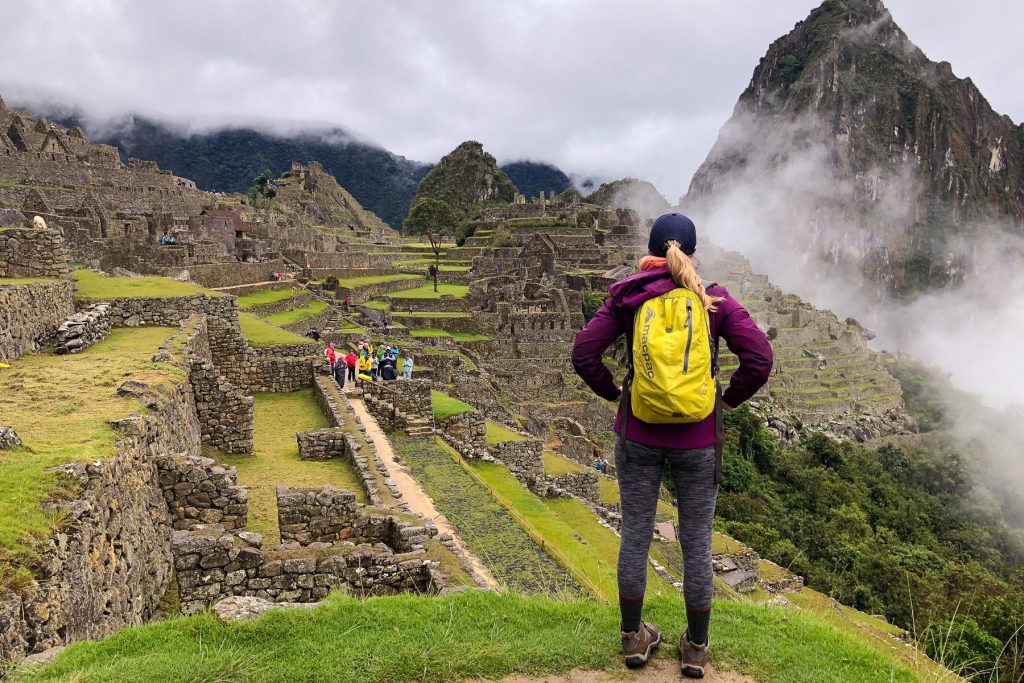
Machu Picchu is an ancient Incan city located high in the Andes Mountains of Peru, about 2,430 meters (7,970 feet) above sea level. Believed to have been built in the 15th century by the Inca emperor Pachacuti, it is renowned for its sophisticated dry-stone construction, panoramic mountain views, and mysterious purpose—possibly a royal estate or religious site.
- Choosing Your Trail
There are several trekking routes to Machu Picchu, each offering a unique adventure. The most famous is the Inca Trail, a 4-day hike that follows original Inca stone paths through cloud forests and ancient ruins. For those looking for a more challenging and less crowded alternative, the Salkantay Trek passes through snow-capped mountains and tropical jungle. Other options include the Lares Trek, which offers a more cultural experience through remote Andean villages, and the Inca Jungle Trek, a multi-sport route with biking, hiking, and zip-lining. Choosing the right trail depends on your fitness level, time, and what kind of experience you want. - Booking in Advance
If you’re planning to hike the Inca Trail, early booking is essential. The Peruvian government limits the number of daily hikers to preserve the trail, and permits can sell out months in advance, especially during the dry season (May to September). Guided treks are mandatory on the Inca Trail, so book through a licensed tour operator. Other trails like Salkantay and Lares don’t require permits, but booking a guided tour still provides safety, convenience, and cultural insight. - Preparing Physically
Trekking to Machu Picchu involves long hiking days, high altitudes, and rugged terrain. It’s essential to prepare physically before your trip. Aim to build endurance through cardio activities like hiking, running, or cycling. Incorporate strength training for your legs and core. If possible, train at altitude or on hilly terrain. The better your fitness level, the more enjoyable and less exhausting the hike will be. Most treks require walking 6 to 10 hours a day, often over uneven and steep trails. - Dealing with Altitude
Altitude sickness is a common concern when hiking in the Andes. The city of Cusco, where most treks start, sits at 3,400 meters (11,152 feet), and some treks reach even higher elevations. It’s important to acclimatize for at least 2 days in Cusco before starting your hike. Stay hydrated, eat light meals, and avoid alcohol. Coca tea, a traditional remedy, may help relieve symptoms. Trekking slowly and listening to your body are key. Many tour companies also carry oxygen and medications for emergencies. - What to Pack
Packing smart can make or break your trek. Essentials include a comfortable backpack, broken-in hiking boots, moisture-wicking clothing, and layers for changing weather. Bring a light rain jacket, sunscreen, hat, and insect repellent. A headlamp, refillable water bottle or hydration bladder, and personal toiletries are also useful. Most treks provide tents and meals, but always check what’s included. For those on guided tours, porters or mules often carry your main bag, so pack a daypack with your essentials. - Best Time to Go
The best time to hike to Machu Picchu is during the dry season from May to September, when the weather is sunny and trail conditions are good. However, this is also the busiest time, so expect more tourists. The shoulder months of April and October offer a good balance of fewer crowds and decent weather. Avoid February if you’re planning the Inca Trail, as it’s closed for maintenance due to heavy rains. Other trails may still be accessible with caution during the wet season. - Guided vs. Independent Trekking
While the Inca Trail requires a guide and permit, some other treks like the Salkantay and Lares can be done independently. That said, going with a licensed guide has many advantages: they provide local insight, ensure safety, manage logistics, and often include meals and camping gear. Solo trekking can be more flexible and budget-friendly, but it requires more planning, good navigation skills, and personal responsibility. Always assess your experience level before deciding to go alone. - Experiencing Local Culture
Hiking to Machu Picchu is not just a physical journey—it’s a cultural experience. On routes like the Lares Trek, hikers pass through remote villages where you can interact with indigenous Quechua communities, witness traditional weaving, and see how people live in the high Andes. Guides often share stories about Inca history, local legends, and Andean spiritual beliefs. Respect for local customs, language, and the environment is essential. It’s a chance to gain a deeper appreciation for Peru’s heritage beyond the ruins. - Reaching Machu Picchu
After days of trekking, arriving at Machu Picchu is a breathtaking reward. Inca Trail hikers reach the Sun Gate (Inti Punku) at sunrise, offering a dramatic first view of the citadel. Other treks usually end with a train ride to Aguas Calientes, followed by a short bus trip or optional final hike up to the site. Explore the ruins with a guide or at your own pace, visiting landmarks like the Temple of the Sun, the Intihuatana stone, and the Sacred Plaza. Be sure to book your Machu Picchu entry ticket in advance. - Making the Most of Your Experience
To truly appreciate the hike to Machu Picchu, go beyond ticking it off your bucket list. Embrace the challenge, beauty, and spirit of the Andes. Disconnect from distractions, enjoy the quiet moments on the trail, and take time to reflect. Respect nature and follow Leave No Trace principles. Whether it’s sharing stories with fellow trekkers or marveling at ancient Incan engineering, the journey to Machu Picchu is more than a hike—it’s an unforgettable, transformational experience.
Where to stay in Machu Picchu
- Aguas Calientes (Machu Picchu Pueblo)
This small town at the base of Machu Picchu is the most popular place to stay for visitors. It’s just a short bus ride or hike away from the ruins. Aguas Calientes offers a wide range of accommodations—from budget hostels and guesthouses to mid-range hotels and a few luxury lodges. Staying here means easy early access to Machu Picchu, especially if you want to catch the sunrise.
- Cusco
Many travelers choose to stay in Cusco, the nearest major city and gateway to Machu Picchu. It’s about 3-4 hours by train and bus to Aguas Calientes. Cusco offers a vibrant atmosphere, colonial architecture, lively markets, and many accommodation options. Staying here is ideal if you want to explore the Sacred Valley and acclimatize to the altitude before heading to Machu Picchu.
- Sacred Valley
Towns like Ollantaytambo and Urubamba in the Sacred Valley provide charming alternatives. Ollantaytambo, in particular, has excellent train connections to Aguas Calientes and is a great base for cultural tours and hikes. Accommodations range from rustic lodges to boutique hotels, offering a quieter experience than Cusco or Aguas Calientes.
Things to do in Machu Picchu
- Explore the Main Ruins
Wander through the ancient city’s well-preserved temples, plazas, terraces, and residential areas. Key highlights include the Temple of the Sun, the Intihuatana stone (the ritual sun clock), and the Sacred Plaza.
- Hike to the Sun Gate (Inti Punku)
This is the original Inca entrance to Machu Picchu and offers spectacular panoramic views of the ruins and surrounding mountains. It’s about a 1-2 hour uphill hike from the main site.
- Climb Huayna Picchu
The iconic steep peak behind the ruins offers incredible views over Machu Picchu and the Urubamba River valley. The hike is challenging and requires a separate ticket, so book in advance.
Day trip from Machu Picchu
- Huayna Picchu Hike
If you didn’t do it on the main day, hiking Huayna Picchu is a classic half-day adventure. The steep climb rewards you with panoramic views of Machu Picchu and the surrounding valley.
- Machu Picchu Mountain (Montana) Hike
For a different perspective, trek up Machu Picchu Mountain. It’s less crowded and offers stunning views from a higher vantage point.
- Explore Aguas Calientes
Spend a relaxed day in Machu Picchu Pueblo (Aguas Calientes). Visit the local markets, try Peruvian cuisine, and enjoy the natural hot springs to unwind after your trek.