
Introduction
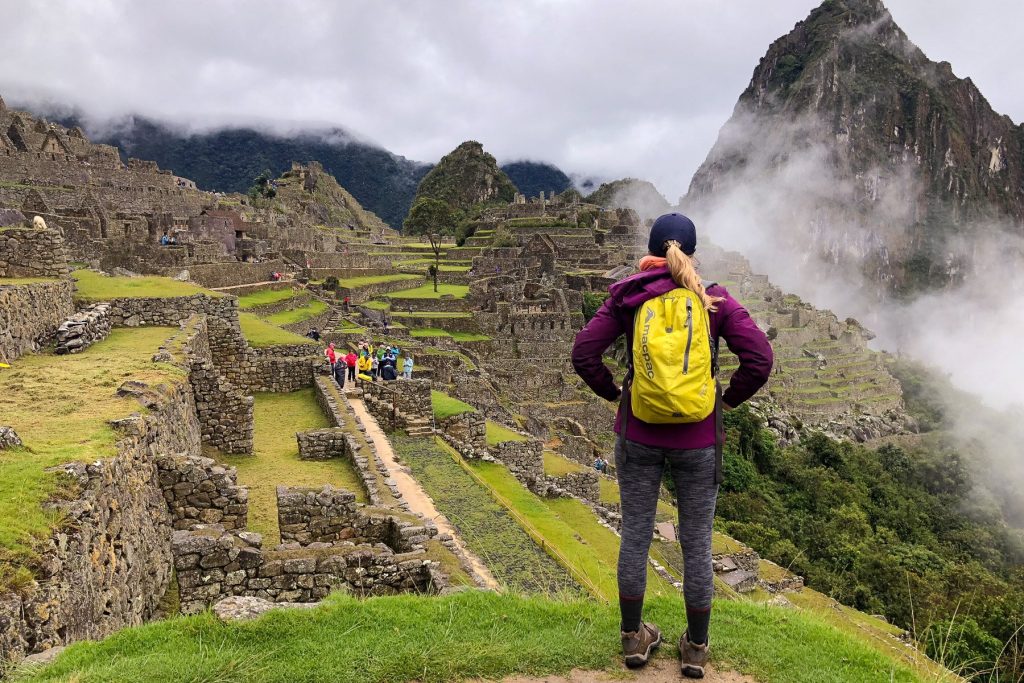
Machu Picchu is an ancient Inca city located high in the Andes Mountains of Peru. Built in the 15th century, it’s famous for its stunning architecture, terraces, and breathtaking views. Often called the “Lost City of the Incas,” Machu Picchu is a UNESCO World Heritage Site and one of the most popular tourist destinations in the world. It offers a unique glimpse into the history and culture of the Inca civilization.
- Choose the Right Trek for Your Fitness Level
Several trekking routes can reach Machu Picchu, including the famous Inca Trail, the Salkantay Trek, Lares Trek, and the Inca Jungle Trail. The classic Inca Trail is about 26 miles (42 km) and takes 4 days, with steep ascents and high altitude. Alternative treks may be longer or physically demanding in different ways but offer stunning scenery and fewer crowds. Assess your fitness and hiking experience honestly and pick a trek that suits your level. If you’re a beginner, consider a shorter, less strenuous route or even a day hike to Machu Picchu from Aguas Calientes.
- Book Your Permit Early
The Inca Trail requires a permit, and only 500 permits (including guides and porters) are issued per day, making it a limited and highly sought-after experience. Permits often sell out months in advance, especially for peak season (May to September). To avoid disappointment, book your trek and permits as early as possible — ideally 4-6 months ahead. Alternative treks don’t require permits, but you should still arrange your guide and accommodations in advance.
- Acclimatize to the Altitude
Altitude sickness is one of the biggest challenges when hiking to Machu Picchu. The trail starts around 2,600 meters (8,530 feet) and reaches passes above 4,200 meters (13,780 feet). Symptoms like headache, nausea, and dizziness can spoil your trek. Spend 2-3 days in Cusco or the Sacred Valley beforehand to let your body adjust. Drink plenty of water, avoid alcohol, and consider natural remedies like coca tea or medication prescribed by a doctor.
- Pack Smart and Light
Packing the right gear can make or break your trek. Bring lightweight, breathable clothing suitable for layering, as temperatures can fluctuate widely between day and night. Essential items include:
- Good hiking boots with ankle support
- Waterproof jacket and pants (rain is common)
- Hat, sunglasses, and sunscreen for sun protection
- Insect repellent
- Reusable water bottle or hydration system
- Small first-aid kit with blister treatments
- Headlamp or flashlight with extra batteries
- Snacks and energy bars
Avoid overpacking to keep your backpack manageable. Many treks offer porter services to carry heavier bags — check what’s included with your tour.
- Stay Hydrated and Nourished
Hiking at high altitude requires staying well-hydrated and fueled. Drink water regularly throughout the day — at least 3-4 liters — to prevent dehydration. Carry electrolyte tablets or powders to replenish minerals lost through sweating. Bring plenty of nutritious snacks like nuts, dried fruit, or granola bars to maintain your energy levels between meals.
- Hire a Knowledgeable Guide
While some routes allow independent trekking, hiring a local guide enriches your experience significantly. Guides provide historical context about Inca ruins along the trail, help with navigation, and ensure your safety. They can also assist if altitude sickness or other issues arise. Plus, employing local guides supports the community and sustainable tourism in the region.
- Respect the Environment and Local Culture
Machu Picchu and the Inca trails are fragile ecosystems with deep cultural significance. Follow Leave No Trace principles: don’t litter, avoid damaging plants or archaeological sites, and stick to marked paths. Be mindful and respectful of local customs and traditions, especially in small villages along the trail. Minimizing your environmental impact helps preserve this incredible place for future generations.
- Prepare for Changing Weather
The weather in the Andes is unpredictable, with frequent rain showers and temperature swings. The dry season from May to September is the most popular time to hike, but even then, you can experience cold nights and sudden rain. Bring waterproof gear and warm layers, and be ready to adjust your plans if necessary. Staying flexible ensures you stay safe and comfortable on the trail.
- Pace Yourself and Listen to Your Body
The high-altitude trekking can be physically taxing. Walk at a steady, comfortable pace, and take breaks whenever you feel tired. Don’t push yourself too hard — it’s better to slow down than to risk exhaustion or altitude sickness. Use trekking poles to reduce strain on your knees, especially during descents. Remember, the journey is as important as the destination.
- Enjoy the Journey and Take Time to Explore
While reaching Machu Picchu is the ultimate goal, don’t rush the trek. Take time to appreciate the stunning landscapes, ancient ruins, and vibrant local culture you encounter along the way. Capture photos, connect with fellow hikers, and savor the unique experience. Once at Machu Picchu, explore the site thoroughly, hike to the Sun Gate or Huayna Picchu for incredible views, and soak in the magic of this incredible wonder.
Where to Stay Near Machu Picchu
- Aguas Calientes (Machu Picchu Pueblo)
This small town at the base of Machu Picchu is the most popular place to stay. It’s the gateway to the ruins and offers a range of accommodations from budget hostels to mid-range hotels and a few luxury options. Staying here means you can catch the earliest buses to the site and return easily after your visit.
- Budget: Hostels and guesthouses (e.g., Supertramp Hostel, Hatun Inti)
- Mid-range: Inkaterra Machu Picchu Pueblo Hotel, Tierra Viva Machu Picchu
- Luxury: Belmond Sanctuary Lodge (the only hotel located right at the Machu Picchu entrance)
- Cusco
Many travelers stay in Cusco, the former Inca capital, which is about a 3-4 hour journey from Machu Picchu. Cusco offers a wider range of accommodations, restaurants, and activities. From here, you can take the train or start your trek.
- Good for: More nightlife, cultural immersion, and city amenities.
- Sacred Valley
Towns like Ollantaytambo or Urubamba offer charming stays and are closer to Machu Picchu than Cusco. You can explore local culture and ruins, and take the train from Ollantaytambo to Aguas Calientes.
Things to Do in Machu Picchu
- Explore the Main Citadel
Wander through the incredible ruins — temples, terraces, plazas, and stone structures — and marvel at the Inca architectural genius. - Hike to the Sun Gate (Inti Punku)
A moderately challenging 1.5 to 2-hour hike from the main site entrance. From here, you get stunning panoramic views of Machu Picchu and the surrounding mountains. - Climb Huayna Picchu
The iconic steep peak often seen in Machu Picchu photos. The hike is challenging but offers breathtaking views of the ruins and the Urubamba River below. Note: Permits are limited and must be booked in advance.
Day Trips from Machu Picchu
- Explore Aguas Calientes Town
If you’re staying overnight in Aguas Calientes, spend a relaxing day visiting its hot springs, local markets, and small museums. It’s a great way to unwind after the trek. - Visit the Machu Picchu Museum (Manuel Chavez Ballon Site Museum)
Located in Aguas Calientes, this museum offers fascinating insights into Machu Picchu’s history, archaeology, and discovery. It’s perfect for understanding the cultural context. - Take the Putucusi Mountain Hike
A challenging but rewarding climb right near Machu Picchu, offering spectacular views of the ruins and the Urubamba River. It’s less crowded and great for adventurous hikers.