
Introduction
Paris, the capital of France, is one of the most iconic and romantic cities in the world. Known as the “City of Light,” it offers a rich blend of history, art, fashion, and cuisine. Visitors are drawn to its famous landmarks like the Eiffel Tower, Notre-Dame Cathedral, the Louvre Museum, and the Champs-Élysées. With charming streets, scenic riverbanks, cozy cafés, and world-class culture, Paris is a city that leaves a lasting impression on every traveler.
- Know the History of the Louvre
Before it became a world-famous museum, the Louvre was a fortress built in the late 12th century. Later, it served as a royal palace before being converted into a public museum during the French Revolution in 1793. Understanding this evolution adds depth to your visit, as the architecture itself—particularly the medieval foundations in the Sully Wing—is a part of the museum’s narrative.
- Plan Your Visit in Advance
The Louvre is enormous—spanning more than 60,000 square meters of exhibition space—so going in without a plan can be overwhelming. Check the official website for current opening hours (usually closed on Tuesdays) and ticket availability. Booking tickets online in advance is highly recommended, especially during peak tourist seasons. A skip-the-line ticket or Paris Museum Pass can save you valuable time.
- Choose the Right Entrance
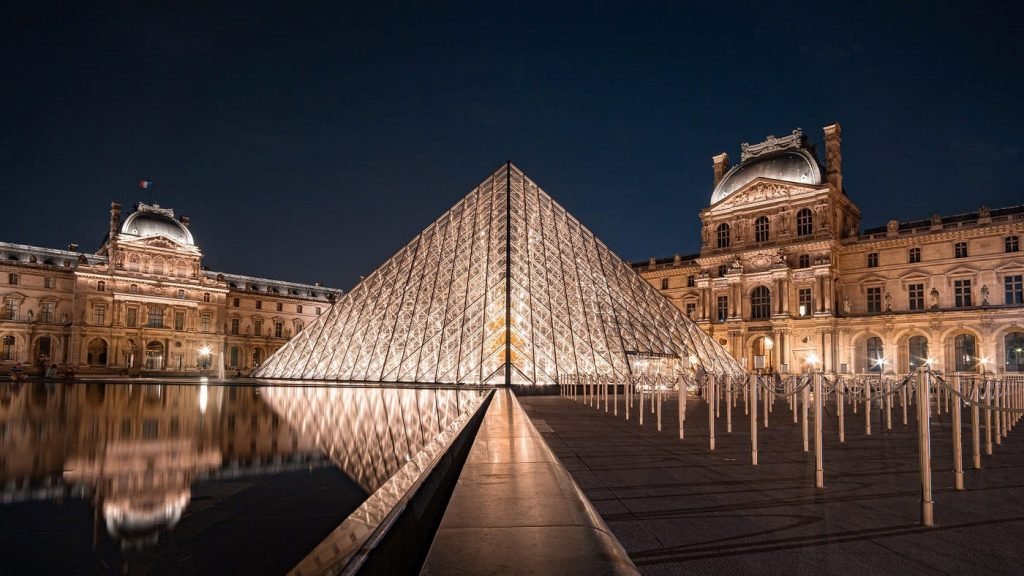
Most people flock to the iconic glass pyramid entrance, which often has long lines. If you want to avoid the crowds, use one of the alternative entrances:
- Carrousel du Louvre entrance (near the Palais Royal-Musée du Louvre metro station)
- Porte des Lions entrance, usually quieter, especially useful for accessing the Denon Wing
Knowing these options can make your entry smoother and more efficient.
- Prioritize the Masterpieces
With so much art on display, it’s impossible to see everything in one visit. Prioritize a few key works, such as:
- Mona Lisa by Leonardo da Vinci (Denon Wing)
- Venus de Milo (Sully Wing)
- Liberty Leading the People by Delacroix (Denon Wing)
- The Winged Victory of Samothrace (Denon Wing)
- The Coronation of Napoleon by David (Denon Wing)
You can also follow themed routes provided by the museum or use the official Louvre app for a self-guided tour.
- Understand the Layout
The Louvre is divided into three main wings:
- Denon Wing: Known for the Mona Lisa, Renaissance art, and French masterpieces.
- Sully Wing: Features ancient Egyptian, Greek, and Roman art, and the foundations of the original fortress.
- Richelieu Wing: Home to sculptures, decorative arts, and Northern European paintings.
Familiarizing yourself with this layout can save you a lot of walking and time.
- Take a Guided Tour
For deeper insights, consider joining a guided tour. The museum offers its own tours in multiple languages, or you can book an independent, small-group tour with an art historian. These often focus on specific themes or periods and are ideal for visitors who want more context behind the art and history.
- Visit During Off-Peak Hours
To avoid crowds, visit early in the morning when the museum opens, or later in the evening on extended hours days (typically Fridays). Weekdays are generally less crowded than weekends, and rooms like the Mona Lisa’s gallery can fill up quickly during the day. If you’re an early bird or night owl, you’ll enjoy a quieter, more reflective experience.
- Dress Comfortably and Pack Light
You’ll be walking a lot, so wear comfortable shoes. Backpacks and large bags must be checked at the cloakroom, and photography is allowed (without flash), so a smartphone or small camera will suffice. Bring a refillable water bottle and consider a small snack—though food isn’t allowed in the galleries, there are cafes and rest areas inside.
- Explore Beyond the Art
The Louvre is more than just paintings. Don’t miss:
- Napoleon III Apartments for a taste of imperial luxury
- Islamic Art Pavilion, featuring a stunning glass canopy and intricate artifacts
- Egyptian Antiquities, with mummies, hieroglyphs, and sphinxes
- The Cour Marly, a beautiful sculpture hall with natural light and open space
These areas often have fewer crowds and showcase different facets of the museum’s collection.
- Enjoy the Surroundings
After your visit, spend some time in the Jardin des Tuileries, the beautiful gardens adjacent to the museum. You can also stroll along the Seine River, enjoy a coffee at the nearby cafés, or visit other cultural spots like the Musée d’Orsay just across the river. The Louvre experience doesn’t end at the exit—it continues in the rich surroundings of Paris.
Where to stay in Paris
- Le Marais (3rd & 4th Arrondissement)
Best for: Art lovers, foodies, boutique shoppers
- Trendy, historic, and centrally located
- Great museums (like the Picasso Museum) and Jewish heritage sites
- Stylish hotels, bakeries, cafés, and nightlife
Recommended Stay:
- Hotel Jules & Jim or Pavillon de la Reine
- Saint-Germain-des-Prés (6th Arrondissement)
Best for: Classic Paris charm, cafés, couples
- Elegant, intellectual atmosphere
- Famous for old bookstores, cafés like Les Deux Magots
- Close to Luxembourg Gardens and the Seine
Recommended Stay:
- Hotel Recamier or Relais Christine
- Montmartre (18th Arrondissement)
Best for: Artists, romantic views, budget travelers
- Bohemian hilltop neighborhood with cobbled streets
- Home to Sacré-Cœur, street art, and artists’ squares
- Less central but full of charm
Recommended Stay:
- Terrass” Hotel or Le Relais Montmartre
Things to Do in Paris
- Visit the Eiffel Tower
See Paris from above by climbing or taking the elevator to the top. Go at sunset or after dark to catch the tower sparkling every hour.
- Explore the Louvre Museum
Home to the Mona Lisa, Venus de Milo, and over 35,000 artworks, the Louvre is a must for art lovers. Go early or book skip-the-line tickets.
- Stroll Along the Seine River
Walk or take a river cruise to enjoy views of Notre-Dame, the Louvre, and iconic bridges like Pont Alexandre III.
Day trip from Paris
- Versailles
Distance: 45 mins by train
Why go: Explore the extravagant Palace of Versailles, its famous Hall of Mirrors, manicured gardens, fountains, and Marie Antoinette’s estate.
Tip: Go early and book skip-the-line tickets or a guided tour.
- Champagne Region (Reims or Épernay)
Distance: 1–1.5 hrs by train
Why go: Visit prestigious champagne houses like Moët & Chandon or Veuve Clicquot, tour vineyards, and taste world-class bubbly.
Tip: Consider a small group tasting tour for an authentic experience.
- Giverny (Claude Monet’s House)
Distance: 1.5 hrs by train + short taxi
Why go: Walk through Monet’s beautiful home and the gardens that inspired his water lily paintings. A must for art and nature lovers.