
Istanbul travel checklist
Introduction
Before traveling to Istanbul, ensure you have your passport, visa (if required), and travel insurance ready. Pack comfortable clothes and shoes for walking, as the city is full of historical sites like Hagia Sophia, the Blue Mosque, and the Grand Bazaar. Bring a power adapter (Turkey uses Type F plugs), and have some Turkish Lira or a currency card for local spending. Don’t forget essentials like sunscreen, a reusable water bottle, and a camera or smartphone for photos. Lastly, download useful apps like Google Maps and a translation tool to help navigate and communicate easily.
- Passport, Visa, and Travel Documents
First and foremost, make sure your passport is valid for at least six months beyond your travel dates. Depending on your nationality, you may need a visa to enter Turkey. Many travelers can apply online for an e-Visa, which is quick and cost-effective. Visit the official Turkish e-Visa website to apply. Print or download digital copies of all important documents: your passport, visa, flight tickets, accommodation bookings, and travel insurance. It’s also wise to email yourself a copy in case your phone gets lost or stolen. Having these documents easily accessible will save time and reduce stress on arrival.
- Travel Insurance
Travel insurance might seem optional, but it’s highly recommended when traveling to Istanbul or anywhere abroad. Look for a plan that covers medical emergencies, trip cancellations, lost luggage, and theft. Istanbul is a safe city, but accidents or unforeseen events can happen anywhere. Some policies even offer COVID-19 coverage, which can still be relevant for international travel. Carry a copy of your insurance card and policy number with you, or store it digitally on your phone.
- Local Currency and Payment Options
The official currency of Turkey is the Turkish Lira (TRY). Although Istanbul is modern and many places accept credit and debit cards, it’s wise to carry some cash—especially for small purchases, taxis, and local markets. You can exchange money at airport kiosks, exchange offices, or local banks, though exchange rates are often better in the city than at the airport. ATMs are widely available, but always withdraw from machines attached to banks for safety.
- Electrical Adaptors and Chargers
Turkey uses Type F electrical sockets, the same as most European countries. The voltage is 230V, and the frequency is 50Hz. If you’re traveling from North America, the UK, or other regions with different plugs, bring a universal travel adapter. Some travelers also bring a portable power bank, especially for days spent sightseeing, to keep their devices charged throughout the day.
- Weather-Appropriate Clothing
Istanbul has a mild climate, but weather can change depending on the season. Summers (June to September) are warm and sometimes humid, while winters (December to February) can be chilly and wet.
- In summer, pack lightweight clothing, sunglasses, sunscreen, and a hat.
- In winter, bring a warm coat, umbrella, and layers.
- For spring or autumn, a light jacket and comfortable outfits will suffice.
Since Istanbul involves a lot of walking on cobbled streets and uneven surfaces, comfortable walking shoes are a must. Also, remember to dress modestly when visiting mosques or religious sites. Women may need to cover their heads, shoulders, and knees, so bringing a scarf or shawl is useful.
- Health and Medications
There are no required vaccinations to enter Turkey, but it’s always smart to be up-to-date on routine shots. Carry a basic first-aid kit that includes medications for headaches, digestion issues, allergies, and motion sickness. If you take prescription medications, bring enough for your entire trip and keep them in their original packaging. Carry a copy of your prescription as well. Tap water in Istanbul is technically safe, but it’s best to drink bottled or filtered water to avoid stomach issues. Many locals use water delivery services or drink bottled water, so follow suit as a visitor.
- Language and Translation Tools
The official language in Istanbul is Turkish, though many locals working in tourism or younger generations speak some English. Still, learning a few basic phrases like “Merhaba” (Hello), “Teşekkür ederim” (Thank you), and “Lütfen” (Please) will go a long way and is appreciated. Install a translation app like Google Translate, which can work offline if you download the Turkish language pack in advance. You might also want to carry a small phrasebook if you prefer analog methods.
- Mobile Connectivity and Internet Access
Staying connected is essential for navigation, communication, and safety. You have a few options:
- Buy a local SIM card at the airport or from Turkcell, Vodafone, or Türk Telekom stores in the city. It usually includes data, local calls, and texts.
- Use an eSIM if your phone supports it.
- Alternatively, many hotels and cafes offer free Wi-Fi.
- Navigation and Transportation Apps
Istanbul’s public transportation system is extensive, affordable, and efficient. It includes trams, metro lines, buses, ferries, and funiculars. To use them, you’ll need an Istanbulkart, a rechargeable card you can load with credit at kiosks and vending machines throughout the city.
- Google Maps or Moovit for real-time directions.
- BiTaksi or Uber for calling taxis (to avoid scams or haggling).
- Trafi for public transport schedules.
- Cultural Etiquette and Safety Tips
Understanding local customs can help you blend in and avoid awkward situations:
- Turks are generally warm and hospitable, and greetings are important.
- When entering a mosque, remove your shoes and dress modestly.
- Always ask before taking photos of people, especially in more conservative areas or religious sites.
- Tipping is common in restaurants (5–10%) and appreciated in taxis or by hotel staff.
- Avoid discussing sensitive topics like politics or religion unless you’re familiar with the person.
Things to Do in Istanbul
- Visit Hagia Sophia
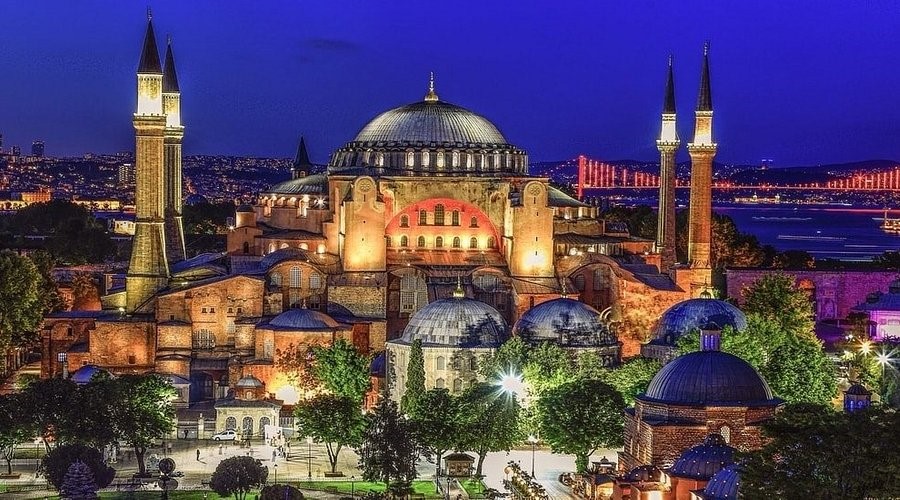
Once a church, then a mosque, later a museum, and now a mosque again, Hagia Sophia is one of the most iconic landmarks in the world. Marvel at its massive dome and stunning Byzantine mosaics.
- Explore the Blue Mosque (Sultan Ahmet Camii)
Right across from Hagia Sophia, the Blue Mosque is known for its six minarets and beautiful blue İznik tiles. It’s still an active mosque, so dress modestly and visit outside of prayer times.
- Wander through the Grand Bazaar
With over 4,000 shops, the Grand Bazaar is a vibrant maze of carpets, jewelry, ceramics, spices, and souvenirs. Bargaining is expected—so don’t be shy!
- Cruise the Bosphorus
Take a ferry or private cruise along the Bosphorus Strait, the waterway that separates Europe and Asia. You’ll get amazing views of palaces, mosques, bridges, and traditional wooden villas.
- Visit Topkapi Palace
This opulent palace was home to Ottoman sultans for centuries. Don’t miss the Harem section, Imperial Treasury, and panoramic views of the Bosphorus.
Where to Stay in Istanbul
- Sultanahmet (Old City) – Best for First-Time Visitors
Sultanahmet is the heart of Istanbul’s historic peninsula. It’s ideal for tourists who want to be close to the city’s top landmarks like Hagia Sophia, Blue Mosque, Topkapi Palace, and the Basilica Cistern.
- Pros: Walkable to major attractions, full of history, quieter at night
- Cons: Less nightlife, fewer modern amenities
- Great hotels:
- Hotel Amira Istanbul
- Four Seasons Hotel Istanbul at Sultanahmet
- Beyoglu (Taksim & Galata) – Best for Nightlife and Shopping
This area includes Taksim Square, Istiklal Street, and Galata Tower. It’s modern, lively, and full of shops, restaurants, cafes, and bars.
- Pros: Excellent public transport, vibrant energy, great for foodies and nightlife
- Cons: Can be noisy and crowded
- Great hotels:
- Pera Palace Hotel (historic and luxurious)
- The Marmara Taksim
- Karakoy – Best for Hip Vibes and Waterfront Views
Karaköy has transformed into a trendy neighborhood with art galleries, stylish cafes, and boutique hotels. It’s close to the Galata Bridge and has a mix of historic and modern charm.
- Pros: Central, great for food and coffee lovers, close to both Old City and Taksim
- Cons: Some construction and gentrification in progress
- Great hotels:
- The Bank Hotel Istanbul
- 10 Karaköy Hotel – Morgans Originals
- Kadıkoy (Asian Side) – Best for Local Experience
For a more relaxed, authentic Istanbul experience, head to Kadıkoy. It’s a local favorite with lively markets, cozy cafes, and fewer tourists. A short ferry ride takes you back to the European side.
- Pros: Local atmosphere, great food scene, cheaper prices
- Cons: Farther from major historical sites
- Great hotels:
- Wyndham Grand Istanbul Kalamış Marina
- DoubleTree by Hilton Moda
- Beşiktaş – Best for Central Location and Views
Beşiktaş is an upscale yet youthful neighborhood near the Bosphorus, with access to palaces, parks, and ferry piers. It’s popular with students, families, and upscale travelers alike.
- Pros: Central, great ferry access, beautiful waterfront
- Cons: Traffic can be heavy
- Great hotels:
- Swissôtel The Bosphorus
- Shangri-La Bosphorus
Day Trips from Istanbul
- Princes’ Islands (Adalar) – Peaceful Getaway
Just a short ferry ride from Istanbul, the Princes’ Islands offer a calm escape from the city. The most popular island, Buyukada, has no cars—only bikes and electric vehicles. Enjoy Ottoman mansions, pine forests, seafood restaurants, and sea views.
- How to get there: 1–1.5 hours by ferry from Kabataş or Bostancı
- Top things to do: Rent a bike, visit Aya Yorgi Church, have lunch by the sea
- Edirne – Former Ottoman Capital
Located near the Bulgarian border, Edirne is rich in Ottoman history and architecture. Highlights include the Selimiye Mosque (UNESCO-listed), old bazaars, and historical bridges.
- How to get there: 2.5–3 hours by bus or car
- Top things to do: Explore mosques, visit the Edirne Palace ruins, try local specialties like “ciğer tava” (fried liver)
- Şile and Agva – Black Sea Coast Retreats
These two coastal towns are known for their natural beauty, beaches, and river views. A great option for summer travelers or anyone craving fresh air and nature.
- How to get there: 2–3 hours by car or private tour
- Top things to do: Relax on the beach, boat rides on the Göksu River, explore the Şile Lighthouse
- Bursa – The Birthplace of the Ottoman Empire
The city of Bursa is steeped in history and famous for its mosques, silk trade, and Iskender kebab. It’s also near Uludag Mountain, a popular winter ski resort.
- How to get there: 2–2.5 hours by ferry + bus
- Top things to do: Visit the Green Mosque and Tomb, shop in the silk bazaar, take the cable car to Uludağ
- Belgrad Forest – Nature and Hiking near Istanbul
If you’re looking for fresh air and a quick outdoor adventure, Belgrad Forest is just outside the city. It’s a great spot for hiking, jogging, or a picnic.
- How to get there: 45–60 minutes by taxi or car
- Top things to do: Walk forest trails, visit Atatürk Arboretum, enjoy a quiet picnic