
Introduction
The Arctic is the northernmost region of Earth, surrounding the North Pole. Extreme cold, ice-covered seas and tundra landscapes characterize it. The Arctic includes parts of countries like Canada, Russia, Greenland, Norway, and the United States (Alaska). This region experiences long, harsh winters with polar night (continuous darkness) and short summers with midnight sun (continuous daylight). The Arctic is home to unique wildlife such as polar bears, Arctic foxes, seals, and whales, and plays a crucial role in the Earth’s climate system.
- Introduction to Ice Diving in the Arctic
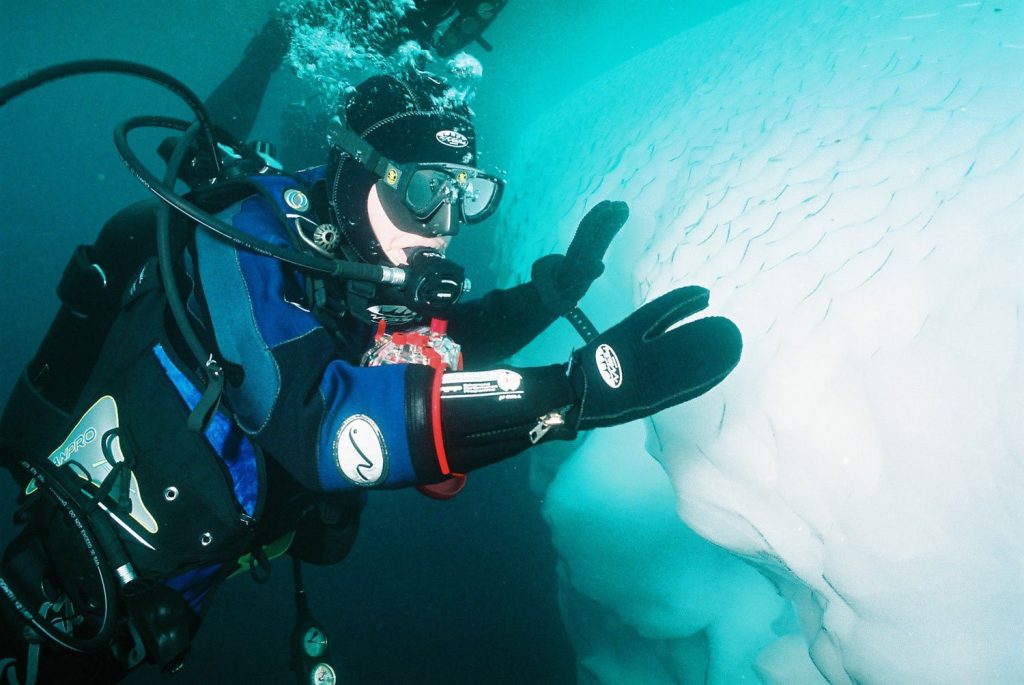
Ice diving in the Arctic is an extraordinary and extreme sport that involves diving beneath a thick layer of ice in some of the coldest waters on Earth. Unlike traditional scuba diving, ice diving presents unique challenges such as sub-zero temperatures, limited access points, and the necessity of specialized equipment and safety protocols. This activity attracts adventurous divers and researchers alike, offering a rare glimpse into a pristine underwater environment rarely seen by humans.
- The Arctic Environment
The Arctic is the region surrounding the North Pole, characterized by its vast expanses of sea ice, glaciers, and tundra. Temperatures in the Arctic can plunge well below freezing, creating an environment of extreme cold both above and below the ice. The ice cover on the Arctic Ocean can be several meters thick in winter, providing a solid barrier over the water. This environment creates the perfect setting for ice diving but also demands respect and caution due to its harsh conditions.
- Specialized Gear for Arctic Ice Diving
Diving in Arctic conditions requires specialized gear to protect divers from the freezing water and to ensure safety. Divers wear thick dry suits with thermal insulation to maintain body heat. Additional equipment includes full-face masks to prevent cold water from entering the breathing apparatus and multiple redundant air supply systems. Heavy gloves, hoods, and boots made from neoprene or similar materials are essential to prevent frostbite during prolonged exposure to cold.
- Safety Precautions and Protocols
Safety is paramount in Arctic ice diving due to the inherent risks involved. Divers are tethered to a surface team via strong safety lines to prevent getting lost under the ice, which acts as a solid ceiling with no direct way to surface except at designated holes. Communication between the diver and surface crew is maintained through rope signals or underwater communication devices. Rescue teams are always on standby, and divers undergo extensive training to handle emergencies.
- The Process of Ice Diving
Before diving, a hole is cut into the ice using chainsaws or ice augers, often shaped in a circle or square, wide enough for divers to enter and exit safely. Divers prepare thoroughly, checking equipment and briefing on the dive plan. The surface team manages the rope system, guiding divers in and out of the water. Once submerged, divers explore the icy underwater landscape while maintaining contact with the surface team, ensuring they never stray far from the hole.
- Unique Underwater Experience
Ice diving offers an unparalleled underwater experience. The water beneath the Arctic ice is exceptionally clear due to low temperatures and limited plankton growth, providing excellent visibility. Divers witness fascinating ice formations, including intricate patterns, ice stalactites, and the interplay of light through the ice overhead. The silence beneath the ice is profound, broken only by the diver’s breathing, creating an almost surreal, otherworldly atmosphere.
- Arctic Marine Life
Despite the extreme conditions, the Arctic waters are home to diverse marine life adapted to the cold. Divers may encounter species such as Arctic cod, seals, and even whales that migrate through the region. The underwater environment also includes unique ecosystems like cold-water corals and sponges. Observing this life in their natural habitat beneath the ice is a rare privilege and contributes to scientific research on Arctic biodiversity and climate change impacts.
- Challenges of Ice Diving in the Arctic
The challenges of Arctic ice diving extend beyond the cold. The limited access points mean divers must navigate carefully to avoid disorientation. Equipment can malfunction in freezing conditions, and the risk of hypothermia or frostbite is significant without proper gear and procedures. Weather conditions can change rapidly, affecting ice stability and safety. These factors make ice diving a highly specialized activity that requires preparation, skill, and respect for the environment.
- Scientific and Research Importance
Ice diving in the Arctic is not only a recreational activity but also a valuable tool for scientific research. Researchers use ice dives to study underwater ice structures, marine ecosystems, and the effects of climate change on Arctic habitats. Samples collected during dives provide insights into water chemistry, sediment composition, and biological diversity. These studies are crucial for understanding global environmental changes and the future of the polar regions.
- The Thrill and Reward of Arctic Ice Diving
Despite its challenges, Arctic ice diving offers an unmatched sense of adventure and discovery. Divers often describe the experience as life-changing, combining the thrill of extreme sport with the wonder of exploring one of the most remote and pristine places on Earth. It requires courage, skill, and a deep respect for nature, rewarding those who undertake it with unforgettable memories and a unique perspective on our planet’s polar frontiers.
Where to Stay in the Arctic
- Arctic Research Stations
For scientists and researchers, many Arctic expeditions base themselves at research stations operated by various countries. These stations offer basic but functional accommodations, often shared dormitories or cabins, with access to laboratories and equipment. Examples include Ny-Ålesund (Svalbard, Norway) and the Barrow Arctic Research Center (Alaska, USA). - Arctic Hotels and Lodges
Several Arctic towns have hotels and lodges catering to tourists. These range from cozy, rustic lodges with traditional Sami influences to modern hotels with full amenities. Popular towns with accommodations include Longyearbyen in Svalbard, Tromsø in Norway, and Ilulissat in Greenland. - Ice Hotels
For a unique Arctic experience, ice hotels are an unforgettable choice. These are built entirely from ice and snow and rebuilt every year. Famous examples include the ICEHOTEL in Jukkasjärvi, Sweden (technically sub-Arctic but often included in Arctic travel itineraries). Staying in an ice hotel lets you experience Arctic conditions in a safe, artistic setting.
Things to Do in the Arctic
- Ice Diving
Dive beneath the frozen surface to explore the Arctic’s underwater world—crystal-clear ice formations, unique marine life, and surreal silence. - Northern Lights Viewing
Witness the breathtaking Aurora Borealis lighting up the Arctic sky with vibrant colors, especially in winter months. - Dog Sledding
Experience traditional Arctic transportation by mushing a team of sled dogs across snowy landscapes.
Day Trips from Arctic
- From Longyearbyen (Svalbard, Norway)
- Boat trip to Pyramiden: Visit the abandoned Russian mining town with guided tours, wildlife spotting, and spectacular Arctic scenery.
- Dog sledding tour: Experience a half-day or full-day dog sled ride on the snow-covered tundra, guided by expert mushers.
- Snowmobile safari: Explore glaciers, frozen fjords, and valleys with a snowmobile day adventure.
- From Tromsø (Norway)
- Fjord sightseeing cruise: Take a day cruise through the dramatic Norwegian fjords to see wildlife like sea eagles and seals.
- Northern Lights chase (winter): Join a guided evening tour to hunt for the Aurora Borealis away from city lights.
- Arctic wildlife safari: Visit nearby islands or coastal areas for birdwatching and marine life spotting.
- From Ilulissat (Greenland)
- Icefjord boat tour: Sail around the UNESCO-listed Ilulissat Icefjord to witness towering icebergs and floating ice.
- Hiking to Sermermiut: Explore the ancient Inuit settlement ruins with spectacular views of the icefjord.
- Dog sledding or snowmobiling (seasonal): Try winter adventures on the ice and snow-covered tundra.