
Introduction
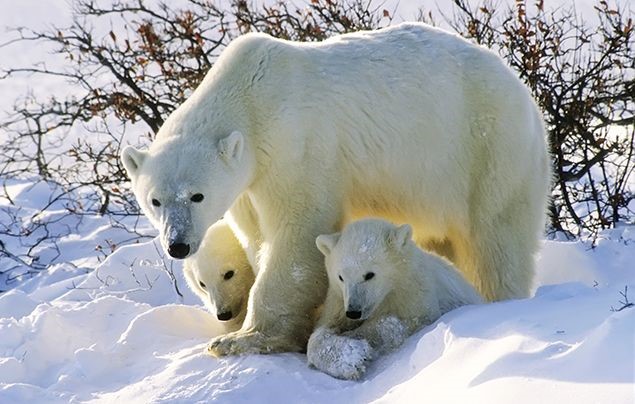
The Arctic is the northernmost region of Earth, surrounding the North Pole. Extreme cold, ice-covered seas and tundra landscapes characterize it. The Arctic includes parts of countries like Canada, Russia, Greenland, Norway, and the United States (Alaska). This region experiences long, harsh winters with polar night (continuous darkness) and short summers with midnight sun (continuous daylight). The Arctic is home to unique wildlife such as polar bears, Arctic foxes, seals, and whales, and plays a crucial role in the Earth’s climate system.
- Prepare with Proper Clothing and Gear
The first and most crucial step to staying safe in polar regions is to wear the right clothing and gear. Temperatures can plunge far below freezing, so dressing in multiple layers is essential. Start with a moisture-wicking base layer to keep sweat away from your skin, add insulating layers such as fleece or down, and finish with a waterproof, windproof outer shell. Don’t forget insulated gloves, a hat that covers your ears, thermal socks, and sturdy, insulated boots. Goggles or sunglasses protect against snow blindness caused by the sun’s glare on ice and snow.
- Understand and Monitor Weather Conditions
Weather in polar regions can change abruptly, turning calm days into deadly storms within minutes. Always check detailed weather forecasts before venturing out, and carry a weather radio or satellite device to stay updated. Be prepared to adjust your plans or seek shelter if a storm approaches. Understanding local weather patterns, such as katabatic winds in Antarctica or sudden fog in the Arctic, can save your life by helping you avoid dangerous conditions.
- Learn to Prevent and Recognize Frostbite and Hypothermia
Extreme cold exposure can cause frostbite and hypothermia, both of which are serious medical emergencies. Frostbite typically affects fingers, toes, nose, and ears — areas that lose heat quickly. Symptoms include numbness, tingling, and pale or waxy skin. Hypothermia occurs when the body’s core temperature drops dangerously low, leading to confusion, sluggishness, and loss of coordination. To prevent these, stay dry, keep moving to generate body heat, and seek shelter immediately if you notice symptoms.
- Use Reliable Navigation Tools
Polar regions can be disorienting due to the featureless landscape of snow and ice, as well as magnetic interference near the poles that can affect compasses. GPS devices designed for extreme conditions are essential, but always carry a physical map and a compass as backups. Learning how to navigate using landmarks, the sun, or stars can also help in emergencies. Regularly check your position and keep track of your route to avoid getting lost.
- Travel with Experienced Guides or Teams
Never travel alone in polar regions unless you are highly trained and equipped. It’s safer to travel in groups with experienced guides familiar with the environment. They can help assess risks, identify safe routes, and handle emergencies. If you’re part of a research expedition or a tour, follow the instructions and safety protocols carefully. Solo expeditions require extensive survival training and specialized knowledge.
- Carry Emergency Supplies and Survival Equipment
Always pack an emergency kit that includes a first aid kit, fire-starting tools, extra food and water, a thermal blanket, and signaling devices such as flares or a satellite messenger. Carrying a portable stove to melt snow for drinking water is critical, as dehydration is a hidden danger in cold climates. Make sure your supplies are stored in waterproof containers and easily accessible in case you need to shelter suddenly.
- Respect Local Wildlife and Environment
Polar wildlife like polar bears, seals, and penguins can be dangerous if approached or provoked. Keep a safe distance, avoid sudden movements, and never feed wild animals. Learning how to identify animal tracks and signs can help you avoid encounters. Also, be mindful of the fragile polar environment; avoid disturbing wildlife habitats and dispose of waste properly to minimize your impact.
- Maintain Clear Communication
Communication is a lifeline in remote polar regions. Use satellite phones, emergency beacons, or radios to stay connected with your base or rescue teams. Before your trip, inform someone reliable about your itinerary and check in regularly. Carry extra batteries or solar chargers, as cold temperatures can drain power quickly. In case of an emergency, being able to send a distress signal can mean the difference between life and death.
- Plan for Shelter and Safe Resting Places
Finding or building shelter is vital to survive polar nights or sudden weather changes. Carry a sturdy, four-season tent designed for extreme conditions and practice setting it up beforehand. If traveling on ice, be cautious of thin or unstable ice and avoid crevasses. Know how to build snow shelters like igloos or trenches if necessary. Rest in sheltered areas to conserve energy and keep warm.
- Prepare Physically and Mentally
Finally, surviving and staying safe in polar regions requires strong physical fitness and mental resilience. The cold, isolation, and harsh conditions can be physically exhausting and psychologically challenging. Prepare by training for endurance, strength, and cold tolerance. Mental preparation, including stress management and decision-making under pressure, is equally important. Staying calm, focused, and adaptable can save lives in critical moments.
Where to Stay in the Arctic
- Arctic Research Stations
For scientists and researchers, many Arctic expeditions base themselves at research stations operated by various countries. These stations offer basic but functional accommodations, often shared dormitories or cabins, with access to laboratories and equipment. Examples include Ny-Ålesund (Svalbard, Norway) and the Barrow Arctic Research Center (Alaska, USA). - Arctic Hotels and Lodges
Several Arctic towns have hotels and lodges catering to tourists. These range from cozy, rustic lodges with traditional Sami influences to modern hotels with full amenities. Popular towns with accommodations include Longyearbyen in Svalbard, Tromsø in Norway, and Ilulissat in Greenland. - Ice Hotels
For a unique Arctic experience, ice hotels are an unforgettable choice. These are built entirely from ice and snow and rebuilt every year. Famous examples include the ICEHOTEL in Jukkasjärvi, Sweden (technically sub-Arctic but often included in Arctic travel itineraries). Staying in an ice hotel lets you experience Arctic conditions in a safe, artistic setting.
Things to Do in the Arctic
- Ice Diving
Dive beneath the frozen surface to explore the Arctic’s underwater world—crystal-clear ice formations, unique marine life, and surreal silence. - Northern Lights Viewing
Witness the breathtaking Aurora Borealis lighting up the Arctic sky with vibrant colors, especially in winter months. - Dog Sledding
Experience traditional Arctic transportation by mushing a team of sled dogs across snowy landscapes.
Day Trips from Arctic
- From Longyearbyen (Svalbard, Norway)
- Boat trip to Pyramiden: Visit the abandoned Russian mining town with guided tours, wildlife spotting, and spectacular Arctic scenery.
- Dog sledding tour: Experience a half-day or full-day dog sled ride on the snow-covered tundra, guided by expert mushers.
- Snowmobile safari: Explore glaciers, frozen fjords, and valleys with a snowmobile day adventure.
- From Tromsø (Norway)
- Fjord sightseeing cruise: Take a day cruise through the dramatic Norwegian fjords to see wildlife like sea eagles and seals.
- Northern Lights chase (winter): Join a guided evening tour to hunt for the Aurora Borealis away from city lights.
- Arctic wildlife safari: Visit nearby islands or coastal areas for birdwatching and marine life spotting.
- From Ilulissat (Greenland)
- Icefjord boat tour: Sail around the UNESCO-listed Ilulissat Icefjord to witness towering icebergs and floating ice.
- Hiking to Sermermiut: Explore the ancient Inuit settlement ruins with spectacular views of the icefjord.
- Dog sledding or snowmobiling (seasonal): Try winter adventures on the ice and snow-covered tundra.