
Introduction
Norway is a beautiful Scandinavian country known for its stunning natural landscapes, including fjords, mountains, and the Arctic coastline. It has a rich history, vibrant culture, and is famous for outdoor activities like hiking, skiing, and watching the Northern Lights. Norway is also one of the world’s wealthiest and most developed countries, with a high standard of living and strong environmental policies.
- Understand What the Northern Lights Are
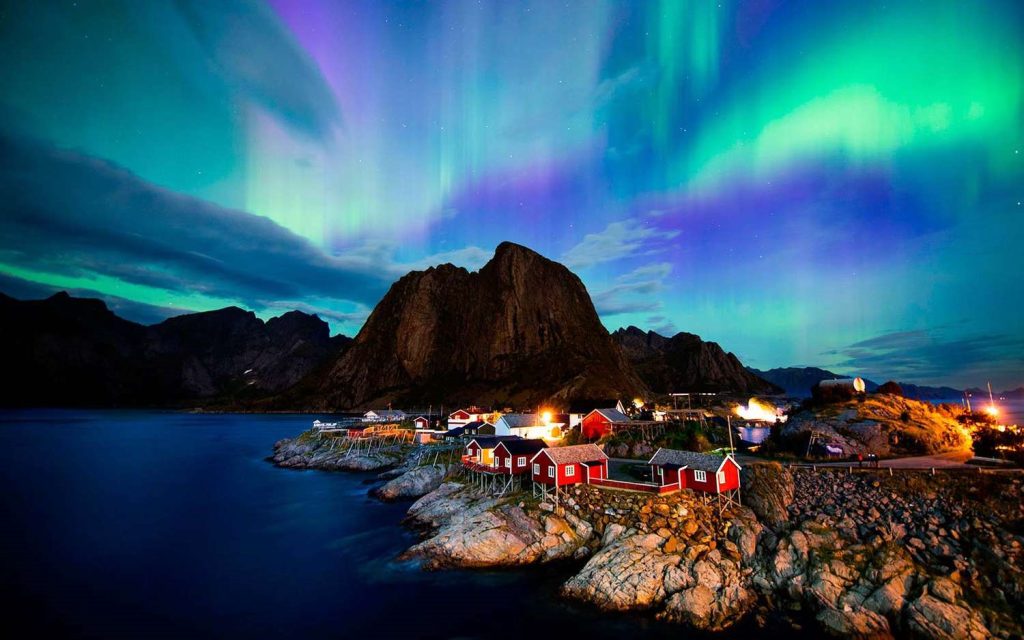
The Northern Lights, or Aurora Borealis, are a natural light display caused by charged particles from the sun colliding with Earth’s magnetic field. These collisions create shimmering curtains of green, pink, and purple lights dancing across the Arctic night sky. Norway’s location within the Aurora Oval makes it one of the best places in the world to witness this spectacular phenomenon. Knowing the science behind the lights adds to the appreciation of their beauty and rarity, making your experience even more meaningful when you finally spot the glowing skies. - Choose the Right Time to Visit
Timing is crucial for Northern Lights hunting. The best period to see the Aurora in Norway is from late September to early April, when nights are longest and darkest. The peak season generally runs between December and February, but avoiding full moon nights can improve visibility since the sky is darker. The winter months also offer clearer skies and colder weather, which means less cloud cover. Planning your trip during these months significantly increases your chances of catching the elusive lights in their full glory. - Pick the Best Locations in Norway
Certain areas in Norway are renowned for frequent and vivid Northern Lights displays. Tromsø, often called the “Gateway to the Arctic,” is one of the most popular spots due to its accessibility and aurora activity. The Lofoten Islands offer stunning landscapes paired with excellent viewing conditions. Alta, Kirkenes, and Svalbard are also prime locations, each with unique Arctic experiences. Choosing a destination above the Arctic Circle is key since the auroras are more active closer to the magnetic poles. - Check the Aurora Forecast and Weather
Before heading out, consult reliable Aurora forecast websites and apps like the Norwegian Meteorological Institute or Aurora Service. These platforms provide real-time data on solar activity, cloud cover, and visibility conditions. Clear, dark skies with low light pollution are essential for spotting the lights. Since the Northern Lights are unpredictable, staying flexible and checking forecasts regularly can help you seize the best viewing opportunities during your trip. - Get Away from City Lights
Light pollution is one of the biggest obstacles to seeing the Northern Lights. Even in Northern Norway, city lights can wash out the faint glow of the aurora. To maximize your viewing experience, travel to remote locations with little or no artificial light. Many tour companies offer Northern Lights safaris to secluded spots where the skies are darkest. Camping outside cities or staying in lodges deep in the wilderness can dramatically improve your chances of witnessing a vibrant aurora display. - Dress Warmly and Prepare for the Cold
The Northern Lights are best seen during the coldest months, often in sub-zero temperatures. Dressing in layers with thermal clothing, insulated jackets, hats, gloves, and sturdy boots is essential to stay comfortable during long hours outside at night. Carrying a thermos with a hot drink and hand warmers can help keep you cozy. Being well-prepared for the cold allows you to focus on the sky without discomfort, making your aurora watching experience more enjoyable and safer. - Join a Guided Northern Lights Tour
Guided tours are an excellent way to increase your chances of seeing the Northern Lights, especially if you’re unfamiliar with the region. Local guides have expert knowledge of weather patterns, aurora hotspots, and safety precautions. Many tours offer transport to prime viewing locations, photography tips, and warm shelters. Some even combine the aurora chase with activities like dog sledding or snowmobiling, adding adventure to your trip. Guided tours remove the guesswork and provide a structured, memorable experience. - Bring a Good Camera and Know How to Use It
Capturing the Northern Lights on camera is a thrilling way to preserve the moment. However, photographing the aurora requires some preparation. Use a DSLR or mirrorless camera with manual settings, a wide-angle lens, and a tripod to avoid blurry images. Set a long exposure time (10-30 seconds), high ISO (800-3200), and a wide aperture to capture enough light. Practice your camera settings before the trip, as freezing cold can make adjusting gear tricky. Remember, sometimes it’s best to simply enjoy the lights with your eyes. - Be Patient and Keep Your Expectations Realistic
The Northern Lights are a natural phenomenon and can be unpredictable. Sometimes they appear vividly, other times only faintly, or not at all due to weather or solar activity. Patience is key — many travelers spend multiple nights hoping for a show. It helps to stay positive and enjoy the Arctic environment even if the aurora remains elusive. Being flexible and open to different experiences will make your trip rewarding regardless of how often the lights appear. - Combine Your Aurora Hunt with Other Norwegian Experiences
While the Northern Lights are a spectacular highlight, Norway offers much more. Take time to explore stunning fjords, visit Sami cultural sites, try local cuisine, or enjoy winter sports like skiing and dog sledding. Exploring Norwegian towns like Oslo or Bergen before or after your aurora adventure can enrich your trip. This way, even if the lights don’t show as expected, you’ll have an unforgettable Arctic and Scandinavian experience filled with diverse activities and breathtaking scenery.
Where to stay in Norway
- Tromsø — The Aurora Hub
Tromsø is the most popular base for Northern Lights chasers. It offers a wide range of accommodations from cozy guesthouses and boutique hotels to modern, luxury stays. Many places offer Northern Lights wake-up calls so you don’t miss a sighting. Popular hotels include the Clarion Hotel The Edge and Scandic Ishavshotel, both with great views and central locations. - Lofoten Islands — Scenic and Secluded
In the Lofoten Islands, staying in traditional fishermen’s cabins called rorbuer is a unique experience. These cabins are often right by the water, offering stunning views and a cozy atmosphere. Towns like Svolvær and Reine have good options for lodges and guesthouses. - Alta — The City of Northern Lights
Alta offers hotels, lodges, and even ice hotels. The Sorrisniva Igloo Hotel is a famous ice hotel option. For something warmer, try the Scandic Alta or smaller cozy lodges in the outskirts where you can get darker skies.
Things to do in Norway
- Witness the Northern Lights
Experience the magical Aurora Borealis in northern Norway, especially around Tromsø, Lofoten, and Alta. Join guided tours or chase the lights on your own from remote spots. - Explore the Fjords
Cruise or hike around Norway’s iconic fjords like Geirangerfjord and Nærøyfjord, UNESCO World Heritage sites known for dramatic cliffs, waterfalls, and serene waters. - Hike the Trolltunga
Challenge yourself with the famous Trolltunga hike near Odda. The hike offers breathtaking views over Ringedalsvatnet Lake and the surrounding mountains.
Day trip from Norway
From Oslo
- Visit the Oslo Fjord and Bygdøy Peninsula
Explore the beautiful Oslo Fjord by boat, then visit the museums on Bygdøy Peninsula, including the Viking Ship Museum and the Fram Museum. - Hike to Kjeragbolten (for the adventurous)
If you’re up for a longer day, take an early flight or drive to Stavanger and hike the iconic Kjeragbolten boulder—one of Norway’s most famous natural attractions.
From Bergen
- Fjord Cruise to Nærøyfjord and Aurlandsfjord
Take a scenic cruise from Bergen to explore the UNESCO-listed fjords, known for steep cliffs and waterfalls. Some tours combine a boat trip with a visit to the charming village of Flåm. - Visit Hardangerfjord and Vøringsfossen Waterfall
Drive or join a tour to Hardangerfjord, Norway’s fourth largest fjord, and see the spectacular Vøringsfossen waterfall, one of the highest in the country.
From Tromsø
- Whale Watching Safari
In winter, join a whale watching tour from Tromsø to see orcas and humpback whales feeding in the fjords. - Visit the Arctic Fjords and Sami Camp
Take a day trip to explore Arctic fjords and visit a Sami camp for reindeer sledding and cultural experiences.