
Introduction
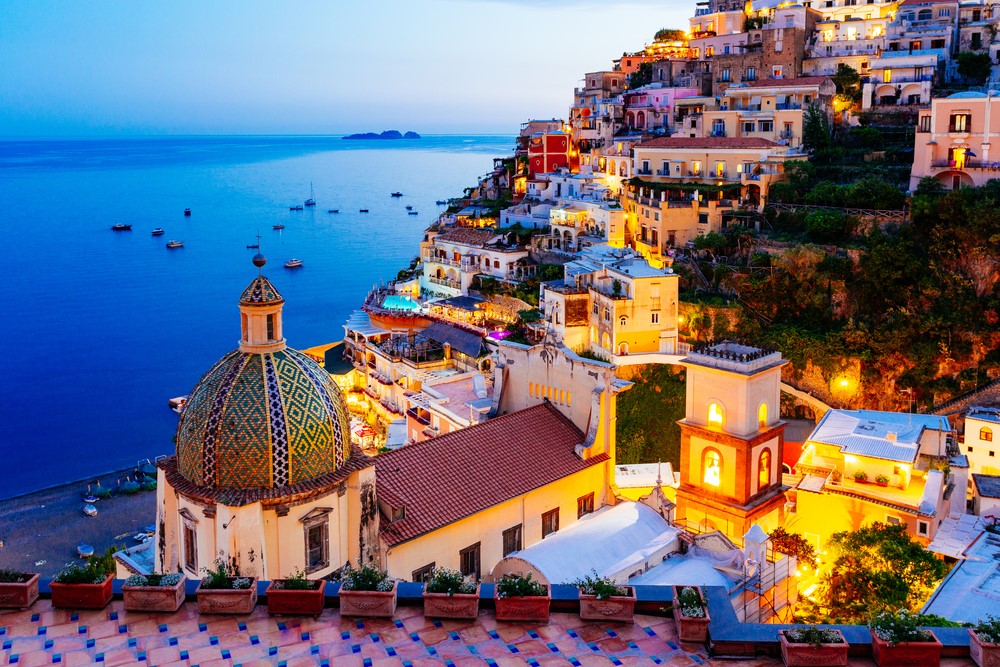
Italy is a beautiful Southern European country known for its rich history, stunning art, delicious cuisine, and diverse landscapes. From the ancient ruins of Rome and the Renaissance masterpieces in Florence to the romantic canals of Venice and the scenic coastlines of the Amalfi Coast, Italy offers a unique blend of culture, architecture, and natural beauty. It’s famous for its world-class food like pasta, pizza, and gelato, as well as its contributions to fashion, design, and history. Italy is a top travel destination that captivates millions of visitors every year with its charm and timeless appeal.
- Choose Your Cities Wisely
Italy offers countless incredible cities, each with its own unique charm. When planning a trip to four cities, consider mixing iconic destinations like Rome, Florence, Venice, and Milan. Rome offers ancient ruins and history, Florence is the heart of Renaissance art, Venice dazzles with its canals, and Milan shines as a fashion capital. You can also choose based on your interests—whether it’s art, history, cuisine, or coastal beauty. Make sure the cities you select are relatively easy to travel between to maximize your time. - Set a Realistic Timeframe
Next, determine how much time you can spend in Italy overall and how to divide it among the four cities. For example, a 10-day trip could mean spending 3 days in Rome, 2 days in Florence, 2 days in Venice, and 3 days in Milan. Factor in travel time between cities, so you don’t end up rushing. Ideally, aim for at least 2 full days per city to experience the main attractions without feeling overwhelmed. - Plan Your Itinerary and Must-See Attractions
Once your cities and timeframe are set, list the key sights and experiences you want in each city. In Rome, you might prioritize the Colosseum, Vatican Museums, and Trevi Fountain. Florence offers the Uffizi Gallery and Duomo, Venice’s highlights include St. Mark’s Basilica and a gondola ride, and Milan is known for the Duomo, La Scala, and shopping districts. Planning ahead helps you avoid missing out on iconic spots and allows you to book tickets in advance. - Book Transportation Early
Italy’s train system is one of the best ways to travel between cities. High-speed trains connect major cities quickly and comfortably. Booking your train tickets in advance can save money and guarantee seats, especially in peak travel seasons. Alternatively, for more flexibility or off-the-beaten-path cities, renting a car is an option, though driving in Italian cities can be challenging. Consider flight options if your cities are far apart, but trains are usually more convenient. - Choose Accommodations Based on Location
Selecting where to stay in each city can make a big difference in your experience. Aim for central locations close to major attractions or public transportation. This saves time and gives you the freedom to explore easily. Italy offers a range of accommodations from boutique hotels and B&Bs to vacation rentals and luxury stays. Book early, especially if traveling during high season, to get the best options and prices. - Pack Smart and Prepare for the Weather
Italy’s climate varies depending on the region and season. Summers can be hot and crowded, while spring and fall offer milder weather and fewer tourists. Pack comfortable walking shoes because Italian cities are best explored on foot. Also, bring layers, a good rain jacket, and sun protection. Travel adapters for electronics are necessary since Italy uses type C, F, and L plugs. Having the right gear will keep your trip smooth and enjoyable. - Learn Basic Italian Phrases and Etiquette
While many Italians in tourist areas speak English, learning a few basic Italian phrases can enhance your experience and interactions. Simple greetings like “Buongiorno” (Good morning), “Per favore” (Please), and “Grazie” (Thank you) show respect and friendliness. Also, be mindful of local customs—dress modestly when visiting churches, and always greet shopkeepers when entering stores. This cultural respect will make your trip more rewarding. - Budget Your Trip Wisely
Italy can be enjoyed on various budgets. Plan your expenses by estimating costs for accommodation, food, transportation, entry fees, and souvenirs. Street food and local trattorias offer authentic meals at lower prices than tourist restaurants. Booking some tickets online beforehand can also save money. Setting a daily budget helps prevent overspending, but leave a little wiggle room for spontaneous experiences like wine tastings or museum visits. - Stay Connected and Organized
Having reliable internet access on the go is important for navigation, booking, and staying in touch. Consider purchasing a local SIM card or an international roaming plan before you travel. Use travel apps like Google Maps, Trenitalia (for train tickets), and translation tools to simplify your journey. Keep digital and physical copies of important documents such as passports, reservations, and tickets to avoid any last-minute stress. - Be Flexible and Enjoy the Journey
Finally, while planning is crucial, allow room for spontaneity and relaxation. Italy is a country to savor, so take time to enjoy a leisurely coffee in a piazza, wander down charming alleys, or simply people-watch at a local café. Unexpected discoveries often become the highlights of a trip. Trust your instincts, embrace the culture, and remember that sometimes the best experiences happen off the beaten path.
Where to Stay in Italy
- Rome
- Centro Storico: The historic center is perfect if you want to be close to major landmarks like the Pantheon, Piazza Navona, and Trevi Fountain. It’s lively and full of restaurants and shops.
- Trastevere: A charming, bohemian neighborhood with narrow streets, great nightlife, and authentic Roman vibes. Perfect for food lovers and those who want a local feel.
- Monti: A trendy area with boutiques, cafes, and close proximity to the Colosseum.
- Florence
- Duomo Area: Staying near Florence’s cathedral means you’re steps away from major attractions and the heart of the city.
- Oltrarno: Across the Arno River, this area has artisan shops, quieter streets, and beautiful views from Piazzale Michelangelo. Great for a more relaxed stay.
- Santa Croce: Known for its lively squares, good food, and less crowded streets.
- Venice
- San Marco: The most famous district, home to St. Mark’s Square and major attractions. It’s touristy but iconic.
- Cannaregio: Quieter and more residential, offering a glimpse of local life and excellent eateries.
- Dorsoduro: Artsy and laid-back, near the Peggy Guggenheim Collection and great galleries.
Things to Do in Italy
- Explore Ancient Rome
Visit iconic landmarks like the Colosseum, Roman Forum, and Palatine Hill. Don’t miss the Vatican City with St. Peter’s Basilica and the Sistine Chapel. - Wander Through Florence’s Art and Architecture
Admire Renaissance masterpieces at the Uffizi Gallery, climb the Duomo’s dome for stunning views, and stroll the Ponte Vecchio bridge. - Get Lost in Venice’s Canals
Take a gondola ride, visit St. Mark’s Basilica and the Doge’s Palace, and enjoy wandering through the maze of charming streets and bridges.
Day Trips from Major Italian Cities
From Rome:
- Tivoli: Explore Villa d’Este with its magnificent fountains and the ancient ruins of Hadrian’s Villa. Both UNESCO World Heritage sites.
- Orvieto: A charming hilltop town famous for its stunning cathedral and underground tunnels. Just about 1.5 hours by train.
From Florence:
- Pisa: See the iconic Leaning Tower and explore the historic Square of Miracles, only about an hour by train.
- Siena: Medieval city famous for its Palio horse race and beautiful piazzas, reachable within 1.5 hours by bus or car.
From Venice:
- Murano and Burano: Visit these colorful islands—Murano for its world-famous glassmaking and Burano for lace and vibrant houses. Both are accessible by vaporetto (water bus) within an hour.
- Verona: The city of Romeo and Juliet, known for its Roman Arena and charming old town, about 1.5 hours by train.
From Milan:
- Lake Como: Enjoy stunning lakeside views, boat rides, and quaint villages like Bellagio, reachable in about an hour by train.
- Bergamo: A beautiful medieval town with a historic upper city full of art and architecture, about 50 minutes by train.