
Introduction
Australia is a large island nation and continent located in the Southern Hemisphere, known for its stunning natural landscapes, unique wildlife, and vibrant multicultural society. It is the sixth-largest country in the world by land area and is surrounded by the Indian and Pacific Oceans. Australia is made up of six states and two territories, with major cities including Sydney, Melbourne, Brisbane, Perth, and Adelaide. Its capital is Canberra.
- Introduction to Hiking in the Daintree Rainforest
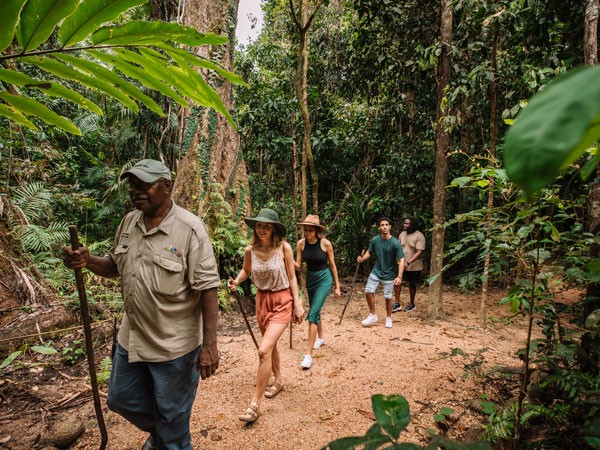
Hiking in the Daintree Rainforest is a unique adventure that immerses you in one of the world’s oldest and most diverse tropical rainforests. Located in Far North Queensland, Australia, this ancient ecosystem offers a rare opportunity to explore lush landscapes filled with vibrant wildlife, towering trees, and pristine waterways. Whether you’re an experienced trekker or a casual nature lover, the Daintree provides trails suited to all levels, making it a perfect destination for anyone seeking both adventure and tranquility in nature.
- The Ancient Significance of the Daintree
The Daintree Rainforest is estimated to be over 180 million years old, predating the dinosaurs and many other rainforests worldwide. Its ancient origins make it a living museum of evolutionary history. As you hike, you’re walking through an environment largely unchanged for millions of years. This ancient backdrop is why the Daintree has been recognized as part of the Wet Tropics World Heritage Area, highlighting its global ecological importance.
- Biodiversity: A Natural Treasure Trove
One of the biggest draws for hikers is the extraordinary biodiversity within the Daintree. The rainforest is home to thousands of plant species, including ancient ferns and towering fan palms, as well as exotic wildlife such as the endangered cassowary, tree kangaroos, and a plethora of bird species. Each trail offers opportunities to spot unique creatures and plants that exist nowhere else on the planet, making every hike an exciting wildlife discovery.
- Popular Hiking Trails in the Daintree
The Daintree boasts a variety of hiking options, from easy walks to more challenging treks. Popular routes include the Mossman Gorge trail, which offers scenic river views and the chance to swim in crystal-clear waters. The Jindalba boardwalk is a gentle stroll that showcases dense rainforest flora and fauna, ideal for families. For more adventurous hikers, the Dubuji Boardwalk near Cape Tribulation offers a combination of beach and rainforest ecosystems, providing diverse landscapes on one trail.
- Guided vs. Self-Guided Hikes
Many visitors opt for guided hikes to gain a deeper understanding of the rainforest’s ecosystem and Indigenous culture. Experienced guides share knowledge about the plants’ medicinal uses, animal behaviors, and the traditional stories of the Kuku Yalanji people, the region’s Indigenous custodians. For those who prefer solitude and flexibility, self-guided hikes with well-marked trails and informative signage are available, allowing you to explore at your own pace.
- Seasonal Considerations for Hiking
The best time to hike in the Daintree depends on your preferences for weather and wildlife activity. The dry season (May to October) offers cooler temperatures and less rainfall, making trails safer and more accessible. However, the wet season (November to April) brings lush growth and vibrant wildlife but also increased rainfall, slippery trails, and possible flooding. Proper preparation and local advice are essential for a safe and enjoyable hike year-round.
- Wildlife Encounters and Safety Tips
While hiking in the Daintree, encounters with wildlife are common but require caution. The cassowary, a large flightless bird, is iconic but can be dangerous if approached. Saltwater crocodiles inhabit nearby rivers and estuaries, so swimming is only safe in designated areas like Mossman Gorge. Always stick to marked trails, carry insect repellent, and be mindful of snakes and spiders that inhabit the forest floor and undergrowth.
- Cultural Significance of the Rainforest
The Daintree Rainforest holds deep cultural importance for the Kuku Yalanji people, who have lived in harmony with the land for thousands of years. Hiking in this rainforest is also an opportunity to appreciate their rich heritage, including traditional hunting, storytelling, and conservation practices. Many tours incorporate Indigenous-led experiences, offering insight into how the rainforest is more than just nature—it’s a living cultural landscape.
- Practical Tips for Hiking Preparation
To make the most of your Daintree hike, it’s essential to be well-prepared. Wear sturdy hiking boots with good grip to handle wet, muddy trails. Lightweight, breathable clothing and a hat will help protect you from the sun and insects. Carry plenty of water, snacks, and a first-aid kit. A camera or binoculars can enhance your wildlife spotting, and a map or GPS device is handy for self-guided treks. Most importantly, respect the environment by following “Leave No Trace” principles.
- Why Hiking the Daintree Rainforest is an Unforgettable Experience
Hiking the Daintree Rainforest is more than just a walk in the woods — it’s a journey into one of Earth’s most pristine natural environments, filled with sights, sounds, and stories that stay with you long after you leave. The combination of breathtaking scenery, diverse wildlife, ancient history, and cultural depth creates an immersive experience that connects you to nature in a profound way. Whether it’s your first rainforest hike or one of many, the Daintree’s magic will inspire and rejuvenate anyone lucky enough to explore its trails.
Where to Stay in Australia
- Sydney
Sydney offers everything from luxury hotels with stunning views of the Opera House and Harbour Bridge to budget-friendly hostels in vibrant neighborhoods like Surry Hills and Newtown. For a unique experience, try waterfront boutique hotels in areas like Darling Harbour or cozy Airbnbs in trendy suburbs such as Bondi or Manly. - Melbourne
Known for its arts and café culture, Melbourne boasts stylish boutique hotels in the city center, trendy apartments in Fitzroy, and budget hostels near Federation Square. You can also find charming bed-and-breakfasts in the nearby Yarra Valley wine region for a peaceful retreat. - Brisbane
Brisbane offers a mix of modern hotels in the downtown area and riverside accommodations along the Brisbane River. For a relaxed vibe, consider staying in nearby suburbs like West End or South Bank, known for their parks, markets, and eateries.
Things to Do in Australia
- Explore the Great Barrier Reef
Dive or snorkel in the world’s largest coral reef system, home to vibrant marine life and stunning underwater landscapes. - Visit Sydney Opera House and Harbour Bridge
Take a guided tour of the Sydney Opera House, stroll across the Harbour Bridge, or enjoy a ferry ride for spectacular city views. - Discover the Outback and Uluru
Experience the spiritual heart of Australia by visiting Uluru, exploring Kata Tjuta, and learning about Aboriginal culture.
Day trip from Australia
- From Sydney: Blue Mountains
Just about 2 hours west of Sydney, the Blue Mountains offer stunning scenery, including the famous Three Sisters rock formation, waterfalls, and scenic walking trails. You can explore charming towns like Katoomba and Leura, visit scenic lookouts, and enjoy bushwalking or even a ride on the Scenic Railway. - From Melbourne: Phillip Island
A 90-minute drive from Melbourne, Phillip Island is famous for its nightly Penguin Parade, where you can watch little penguins return to shore at sunset. The island also has beautiful beaches, koala reserves, and rugged coastal walks. - From Brisbane: Moreton Island
Accessible by ferry from Brisbane, Moreton Island is a paradise for beach lovers and adventure seekers. You can snorkel around shipwrecks, go sandboarding on giant dunes, and spot wild dolphins in the bay.