
Introduction
Chile’s Atacama Desert is one of the driest places on Earth, located in northern Chile along the Pacific coast. Known for its stunning and unique landscapes, it features vast salt flats, towering volcanoes, colorful rock formations, and rare oases. The desert’s extreme dryness and clear skies make it a popular spot for astronomy, adventure tourism, and hiking. Despite its harsh conditions, the Atacama supports specialized plants, animals, and ancient human cultures, making it a fascinating place to explore.
- Introduction to Hiking in the Atacama Desert
Hiking in Chile’s Atacama Desert offers a one-of-a-kind experience for adventurers and nature lovers alike. Known as the driest desert on Earth, the Atacama boasts surreal landscapes shaped by volcanic activity, salt flats, and ancient formations. From easy walks to challenging treks, the desert’s diverse terrain invites hikers to explore its natural wonders while soaking in breathtaking views. Whether you’re a seasoned trekker or a curious traveler, the Atacama’s trails provide a spectacular setting for discovery and adventure.
- Unique Geography and Climate
The Atacama Desert stretches across northern Chile, running parallel to the Andes Mountains and the Pacific Ocean. Its extreme aridity is due to a combination of high altitude, cold ocean currents, and the rain shadow effect of surrounding mountains. Temperatures can vary dramatically—hot during the day and freezing at night—so hikers must prepare for these extremes. This harsh climate has preserved many geological features, including salt flats, geysers, and colorful rock formations that create an otherworldly hiking environment.
- Popular Hiking Destinations in the Atacama
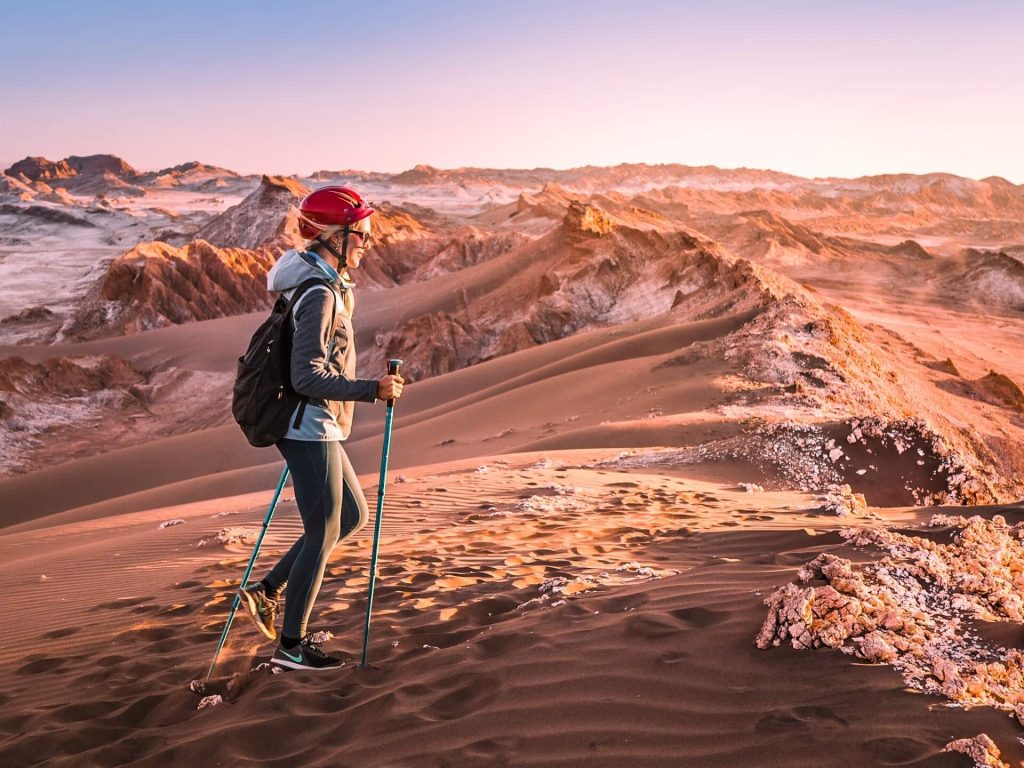
Among the most popular hiking spots is the Valle de la Luna (Valley of the Moon), famed for its lunar-like landscape of eroded rock and salt formations. Other highlights include the Salar de Atacama, the largest salt flat in Chile, and the Laguna Chaxa, home to vibrant flamingo colonies. For those seeking high-altitude treks, the area around Licancabur Volcano offers challenging routes with rewarding panoramic views. Each trail provides unique insights into the desert’s geological and ecological diversity.
- Flora and Fauna Along the Trails
Despite its extreme dryness, the Atacama Desert supports specialized plants and animals adapted to the harsh conditions. Cacti, desert shrubs, and rare wildflowers bloom briefly after seasonal rains, adding splashes of color to the landscape. Wildlife includes vicuñas, foxes, and a variety of bird species such as flamingos and Andean condors. Observing this fragile ecosystem while hiking enriches the experience and highlights the desert’s surprising vitality.
- Cultural and Historical Significance
The Atacama Desert is rich in cultural history, with evidence of ancient human settlements and indigenous traditions. Petroglyphs, archaeological sites, and pre-Columbian ruins can be found near hiking routes, offering a glimpse into the lives of the Atacameño people who thrived in this environment for thousands of years. Local guides often share stories and historical context, making hikes not only physically rewarding but also intellectually enriching.
- Best Time to Hike
The best time to hike in the Atacama Desert is during the southern hemisphere’s spring (September to November) and fall (March to May), when temperatures are milder and the skies remain clear. Summer months can be extremely hot during the day, while winter nights are cold and sometimes freezing. Planning hikes during these transitional seasons helps avoid the extremes and ensures a more comfortable and enjoyable experience.
- Essential Gear and Preparation
Due to the desert’s unique conditions, proper preparation is crucial for hiking in the Atacama. Lightweight, breathable clothing, sun protection (hat, sunscreen, sunglasses), and plenty of water are essential. Sturdy hiking boots are recommended for rocky and uneven terrain. Given the remote nature of many trails, carrying a map, GPS device, and basic first aid kit is wise. Hiring a local guide can enhance safety and provide valuable knowledge about the environment.
- Guided vs. Independent Hiking
While experienced hikers may choose to explore independently, many visitors opt for guided tours to maximize safety and insight. Local guides are familiar with the terrain, weather patterns, and cultural sites, offering a richer hiking experience. Guided hikes often include transportation, meals, and equipment, making them convenient for travelers. Independent hikers, however, should thoroughly research routes and take all necessary precautions due to the desert’s challenging conditions.
- Environmental Responsibility
The Atacama Desert is a fragile ecosystem that requires respect and protection. Hikers should follow Leave No Trace principles—staying on marked trails, packing out all trash, and avoiding disturbance to plants and wildlife. Responsible tourism helps preserve the desert’s beauty and biodiversity for future generations. Additionally, supporting local communities through guided tours and sustainable services contributes to the conservation of this extraordinary region.
- Conclusion: An Unforgettable Adventure
Hiking in Chile’s Atacama Desert is more than just a physical challenge; it’s an immersive journey into one of the planet’s most unique landscapes. From surreal salt flats to ancient cultural sites, every step offers new discoveries and stunning vistas. With careful preparation and respect for the environment, hikers can enjoy an unforgettable adventure that combines natural beauty, history, and a sense of wonder in the heart of the world’s driest desert.
Where to stay in Chile’s Atacama Desert
- San Pedro de Atacama — The Main Hub
Most visitors base themselves in the small town of San Pedro de Atacama. It’s the gateway to the desert and offers a wide range of accommodations—from budget hostels and guesthouses to mid-range hotels and luxury lodges. Staying here means easy access to tours, restaurants, shops, and travel services.
- Luxury Lodges and Eco-Resorts
If you want a more upscale experience, several luxury lodges provide comfort with stunning desert views and eco-friendly designs. Examples include Tierra Atacama Hotel & Spa, Explora Atacama, and Awasi Atacama. These offer guided hikes, wellness services, and exclusive access to certain sites.
- Mid-Range Hotels and Boutique Stays
For a balance between comfort and affordability, mid-range hotels and boutique guesthouses in San Pedro offer cozy rooms, local charm, and personalized service. Places like Hotel Altiplanico or La Casa de Don Tomas are popular choices.
Things to do in Chile’s Atacama Desert
- Explore Valle de la Luna (Valley of the Moon)
Walk through surreal landscapes of sculpted rock formations, salt flats, and sand dunes that resemble the moon’s surface. Don’t miss the sunset here — the colors are spectacular.
- Visit the Salar de Atacama and Flamingo Lagoons
Discover the vast salt flats and spot three species of flamingos in the Laguna Chaxa within the Los Flamencos National Reserve.
- Trek to the El Tatio Geysers
Wake up early to visit one of the world’s highest geyser fields at sunrise, where steam jets and boiling water erupt in the cold desert morning.
Day trip from Chile’s Atacama Desert
Morning:
- Valle de la Luna (Valley of the Moon): Start early to beat the heat and crowds. Explore the lunar-like landscapes with its dramatic rock formations, salt caves, and sand dunes. Walking trails vary from easy strolls to moderate hikes. The unique terrain feels almost extraterrestrial.
Midday:
- Salar de Atacama: Head to the vast salt flats nearby. Here, you can visit Laguna Chaxa, a shallow lagoon inside the Los Flamencos National Reserve. It’s a prime spot to see flamingos feeding in their natural habitat.
Afternoon:
- Pukará de Quitor: If time allows, visit this ancient pre-Columbian fortress located just outside San Pedro. It offers insight into the region’s indigenous history along with nice views.
Sunset:
- Back to Valle de la Luna: Return for sunset to witness the desert’s colors shift dramatically as the sun sets over the horizon. This is often considered one of the most beautiful desert sunsets in the world.