
Introduction
Moldova is a small landlocked country in Eastern Europe, bordered by Romania to the west and Ukraine to the north, east, and south. It was part of the Soviet Union until gaining independence in 1991. The country has a rich mix of Romanian, Russian, and Ukrainian influences, seen in its language, culture, and politics. Its capital is Chișinau, and it is known for wine production, rural landscapes, and the breakaway region of Transnistria, which has declared independence but is not internationally recognized. Though often overlooked, Moldova offers authentic traditions, historic monasteries, and warm local hospitality, making it a hidden gem of Europe.
- A Small, Overlooked Country in Eastern Europe
Moldova is one of Europe’s smallest and least-visited countries, nestled between Romania to the west and Ukraine on three sides. Despite its modest size, it boasts a rich history shaped by centuries of cultural blending, conflict, and resilience. Often overshadowed by its larger neighbors, Moldova remains largely off the radar for many travelers, making it a genuine hidden gem.
- A Complex History and Cultural Identity
Moldova’s history is a tapestry of influences, having been part of the Principality of Moldavia, the Ottoman Empire’s sphere, the Russian Empire, and the Soviet Union before becoming independent in 1991. Its people primarily speak Romanian (Moldovan), but Russian and Ukrainian communities also contribute to a diverse cultural mosaic. This blend of East and West gives Moldova a unique cultural identity.
- Chișinău: The Capital with Soviet Legacy and Modern Charm
The capital, Chișinău, is a vibrant city with a mix of Soviet-era architecture, modern developments, and green parks. While it may lack the grandeur of Western capitals, its cafés, markets, and museums reflect Moldova’s evolving identity. Notable sights include the Triumphal Arch, Stefan cel Mare Central Park, and the National Museum of History.
- Transnistria: A Frozen Conflict Zone
One of Moldova’s most intriguing aspects is the breakaway region of Transnistria, a narrow strip along the Dniester River. It declared independence in 1990, leading to an unresolved conflict with Moldova. Today, Transnistria operates like a de facto state with its own government and currency but is unrecognized internationally. It’s like a time capsule of Soviet symbolism, making it a fascinating destination for those interested in geopolitics and post-Soviet history.
- Wine Country: The Vineyards and Cellars of Moldova
Moldova is famous for its wine production, with a viticulture tradition dating back thousands of years. The country’s fertile soil and favorable climate create ideal conditions for vineyards. The Cricova and Milestii Mici wine cellars are among the largest underground wine complexes in the world, with miles of tunnels storing millions of bottles. Wine tours here offer a unique insight into Moldovan heritage and hospitality.
- Picturesque Rural Landscapes and Traditional Villages
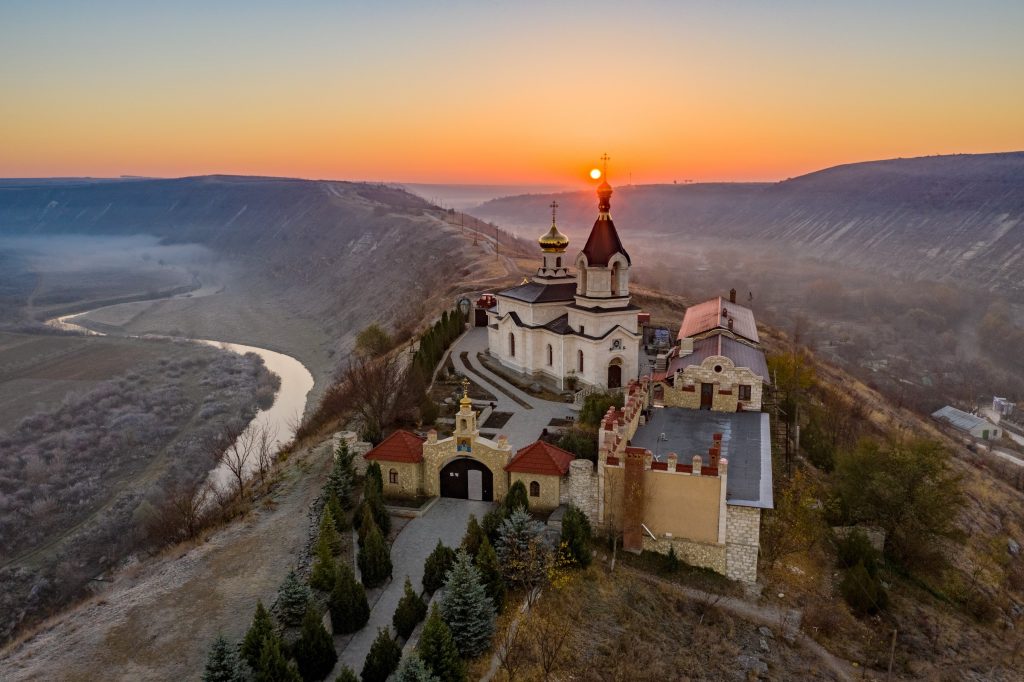
Outside the cities, Moldova is a patchwork of rolling hills, orchards, and quiet villages where traditions endure. The countryside provides a glimpse into rural life untouched by mass tourism. Visitors can explore charming villages like Orheiul Vechi, an archaeological complex with ancient monasteries carved into cliffs, or Gagauzia, an autonomous region with distinct Turkish influences.
- Religious Heritage and Historic Monasteries
Moldova’s Orthodox Christian heritage is visible through its beautiful monasteries and churches scattered across the country. Many monasteries date back centuries and are often built in stunning natural settings. The Old Orhei Monastery and Curchi Monastery are popular pilgrimage and tourist sites, representing spiritual and architectural traditions.
- Culinary Delights: Moldovan Food and Traditions
Moldovan cuisine reflects its multicultural roots, blending Romanian, Ukrainian, Russian, and Turkish influences. Staple dishes include mămăligă (cornmeal porridge), sarmale (cabbage rolls), and placinta (savory or sweet pastries). Meals are often accompanied by homemade wine or brandy, emphasizing the importance of food and drink in Moldovan social life.
- Challenges and Opportunities: Economic and Social Realities
Despite its rich culture and natural beauty, Moldova faces significant challenges, including economic hardship, emigration, and political instability. It remains one of Europe’s poorest countries, with many young people seeking opportunities abroad. However, there is growing interest in sustainable tourism and cultural preservation, offering hope for a brighter future.
- Why Visit Moldova? The Allure of the Hidden and Authentic
Moldova’s allure lies in its authenticity—unspoiled landscapes, welcoming locals, and the chance to experience Europe’s crossroads away from tourist crowds. It offers adventure for history buffs, wine lovers, and cultural explorers eager to discover a country that embodies both the shadows and hopes of modern Europe. For those willing to explore beyond the usual, Moldova promises unforgettable experiences.
Where to Stay in Moldova
- Chișinau — The Capital City
Chișinau is the best base for exploring Moldova, especially if you want urban convenience, museums, restaurants, and nightlife.
- Luxury:
- Radisson Blu Leogrand Hotel — modern amenities, central location, great service
- Nobil Luxury Boutique Hotel — stylish boutique hotel with personalized service
- Mid-range:
- City Park Hotel — comfortable, good location near parks and landmarks
- Jumbo Hotel — budget-friendly with essential comforts
- Budget:
- Happy Hostel — clean, social atmosphere for backpackers
- Hostel 7 Days — affordable and centrally located
- Orheiul Vechi Area — For Rural Charm and History
Near the famous Orheiul Vechi archaeological complex, staying in local guesthouses gives a more authentic experience.
- Guesthouses in nearby villages — many offer cozy rooms, homemade food, and a glimpse into rural life. Check places like Butuceni Eco Resort or family-run guesthouses in Trebujeni.
- Wine Regions — Cricova and Milestii Mici
If wine tourism is your focus, consider staying near the major wineries:
- Cricova:
- Some wineries offer tours but no hotels; stay in Chișinau and take a day trip.
- Milestii Mici:
- No onsite hotels; again, use Chisinau as your base.
Things to Do in Moldova
- Explore Chișinau
Walk around the capital’s leafy parks like Stefan cel Mare Central Park, visit the National Museum of History, and see Soviet-era architecture alongside modern cafes and markets. - Visit Cricova Wine Cellars
Tour one of the world’s largest underground wine cellars with miles of tunnels, taste rare Moldovan wines, and learn about the country’s rich wine heritage. - Discover Orheiul Vechi
Explore this stunning archaeological complex featuring ancient cave monasteries carved into limestone cliffs and panoramic views of the Raut River valley.
Day Trips from Chișinau
- Orheiul Vechi Archaeological Complex
Just about an hour’s drive northeast of Chișinau, this is Moldova’s top historical and natural site. Explore ancient cave monasteries carved into limestone cliffs, admire scenic river views, and visit nearby traditional villages like Butuceni. You can hike, visit small museums, and enjoy local food at guesthouses. - Cricova Wine Cellars
Only 15 km north of Chișinău, Cricova is famous for its massive underground wine labyrinths. Take a guided tour of the tunnels, learn about winemaking, and enjoy tastings of Moldovan wines and sparkling wines. - Milestii Mici Winery
About 20 minutes south of the capital, Milestii Mici boasts the world’s largest underground wine collection. The day trip includes a tour of its 200 km of cellars and opportunities to taste some exceptional wines.