
Introduction
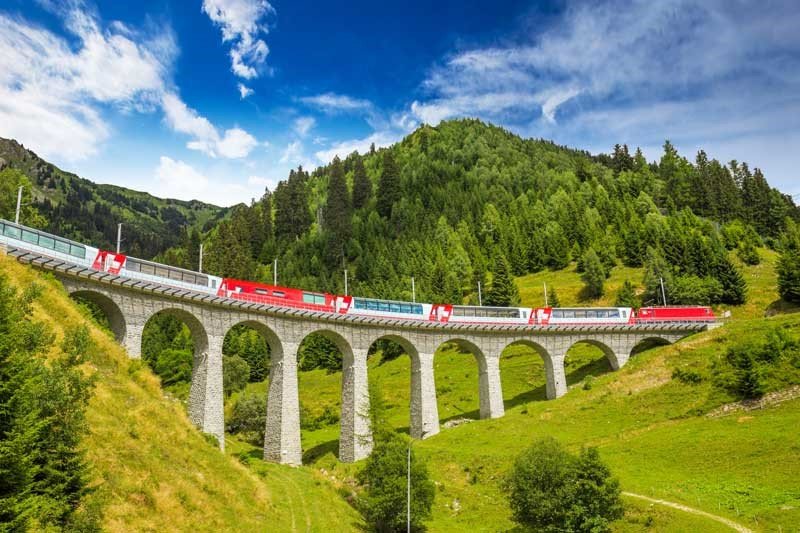
The Swiss Alps are a major mountain range located in Switzerland, part of the larger Alps system that stretches across several European countries. Known for their stunning natural beauty, the Swiss Alps are famous for towering snow-capped peaks, deep valleys, glaciers, and crystal-clear lakes. This region is a top destination for outdoor activities like skiing, hiking, mountaineering, and scenic train journeys, including the Glacier Express. The Swiss Alps also have rich cultural traditions, charming alpine villages, and are home to iconic mountains such as the Matterhorn and Eiger.
- Book Early—Really Early
Seats on the Glacier Express are limited and tend to sell out quickly, especially during peak travel seasons (summer and winter holidays). Reservations are mandatory, even if you have a Swiss Travel Pass or Eurail Pass. Try to book at least 2–3 months in advance, particularly for first-class or Excellence Class seats. You can book tickets through the official Glacier Express website or Swiss Railways (SBB) portals.
- Understand the Class Options
There are three travel classes to choose from:
- Second Class: Comfortable with large panoramic windows and basic amenities.
- First Class: More spacious seating and slightly fewer passengers per carriage.
- Excellence Class: A luxury experience with guaranteed window seats, multi-course gourmet meals, personal service, and access to an exclusive lounge.
Choose based on your budget and the type of experience you want. For many, first class strikes the perfect balance between comfort and cost.
- Choose the Right Direction of Travel
You can ride the Glacier Express from Zermatt to St. Moritz or vice versa. Both directions offer stunning views, but consider:
- Zermatt to St. Moritz: Morning departure offers great lighting for photography.
- St. Moritz to Zermatt: Afternoon light can be softer, especially in winter.
Also, check where you’re coming from or heading next—choosing the most convenient starting point could save you a night’s stay or extra travel time.
- Pick the Best Time of Year
Every season offers something special:
- Winter (Dec–Feb): Snow-covered landscapes, magical alpine scenes.
- Spring (Mar–May): Melting snow and vibrant valleys.
- Summer (Jun–Aug): Lush green meadows and clear skies.
- Autumn (Sep–Nov): Fewer crowds and golden larch trees.
If photography and scenic beauty are your priorities, summer or early autumn are ideal. Winter is fantastic for a snowy fairytale atmosphere but can be more crowded around holidays.
- Arrive Early for the Best Seats
Although you reserve a seat when booking, arriving early allows you to settle in, store your luggage, and maybe swap seats with fellow passengers if you prefer a different view. Some travelers recommend the right-hand side when traveling from Zermatt to St. Moritz for slightly better views, but both sides offer-stunning panoramas throughout the route.
- Don’t Skip the Meal—Unless You Bring Your Own
The Glacier Express offers an onboard dining experience with pre-ordered meals. You can opt for a 3-course lunch, snacks, or drinks. Meals must be booked in advance unless you’re in Excellence Class, where it’s included.
Alternatively, you’re welcome to bring your own food and beverages on board. If you’re on a budget or have dietary restrictions, packing a picnic can be a smart move.
- Pack Light, but Bring Essentials
While there is room for luggage, storage is limited. Bring one suitcase and a small daypack. Key items to include:
- Camera or phone with plenty of storage
- Power bank or charger (some seats have outlets)
- Snacks and water
- Sunglasses and layers, as temperatures vary
- Headphones if you want to listen to the onboard audio guide
Dress in comfortable layers—train cars are climate-controlled, but weather can change quickly in the mountains.
- Plan for Stops Before or After
Though the Glacier Express doesn’t stop for sightseeing, the route passes through picturesque towns like:
- Andermatt
- Brig
- Chur
- Disentis
Consider staying overnight in one of these towns to explore the surroundings. You could even split the journey into two parts for a more relaxed experience and see more of Switzerland off the rails.
- Download the Glacier Express App or Brochure
The train provides an audio guide in multiple languages through onboard headphones or the Glacier Express app, which synchronizes with the train’s GPS. It gives live commentary about landmarks, tunnels, bridges, and history along the route. It’s informative and enhances the journey significantly.
Make sure your phone is charged, and consider downloading the content before departure in case of limited signal during the trip.
- Sit Back and Soak It All In
It’s easy to get caught up in snapping photos, but don’t forget to put your camera down occasionally and truly appreciate the experience. The Glacier Express is designed for slow travel, and part of its magic is simply watching the landscapes change outside your window. Sip a coffee, chat with fellow passengers, or lose yourself in the views—it’s an experience to savor, not rush.
Where to stay in Swiss Alps
- Zermatt
- Famous for the iconic Matterhorn Mountain.
- Offers luxury hotels, cozy chalets, and ski resorts.
- Perfect for skiing, hiking, and mountaineering.
- Car-free village with a charming alpine atmosphere.
- St. Moritz
- A luxury resort town known for upscale hotels and winter sports.
- Great for skiing, spa retreats, and high-end shopping.
- Popular with celebrities and wealthy travelers.
- Grindelwald
- A picturesque village in the Bernese Oberland.
- Perfect base for hiking, skiing, and exploring Jungfrau region.
- Offers a mix of budget-friendly guesthouses and boutique hotels.
Things to do in Swiss Alps
- Skiing and Snowboarding
The Swiss Alps are world-famous for their ski resorts like Zermatt, St. Moritz, and Verbier. Whether you’re a beginner or expert, there are slopes for every level.
- Hiking and Trekking
In summer, the Alps transform into a hiker’s paradise. Trails like the Eiger Trail, The Matterhorn Glacier Trail, and the Jungfrau region offer breathtaking views and alpine flora.
- Scenic Train Rides
Ride iconic trains such as the Glacier Express, Bernina Express, and GoldenPass Line to soak in spectacular landscapes from panoramic windows.
Day trip from Swiss Alps
- Lucerne
- Just about 1.5–2 hours by train from many Alpine towns.
- Explore the charming old town, the famous Chapel Bridge, and the Lion Monument.
- Take a boat cruise on Lake Lucerne or ride up Mount Pilatus for panoramic views.
- Bern
- Switzerland’s capital city, roughly 2 hours from the Alps.
- Wander the UNESCO-listed old town, see the Zytglogge clock tower, and visit museums.
- Enjoy riverside parks and charming cafés.
- Geneva
- About 3 hours away, a cosmopolitan city by Lake Geneva.
- Visit the Jet d’Eau fountain, the UN headquarters, and the Red Cross Museum.
- Great for shopping and lakeside strolls.