
Introduction
Barcelona is the vibrant capital of Catalonia, a region in northeastern Spain. Known for its unique blend of Gothic and modernist architecture, Mediterranean beaches, and rich cultural scene, the city offers something for every traveler. It’s famous for the works of Antoni Gaudi, including the iconic Sagrada Familia and Park Guell, as well as its bustling markets, tapas bars, and lively neighborhoods like the Gothic Quarter and El Born. With its sunny climate, artistic heritage, and cosmopolitan vibe, Barcelona is a top destination for culture, food, and design lovers alike.
1. Sagrada Familia – Gaudi’s Eternal Masterpiece
No visit to Barcelona is complete without seeing the Sagrada Familia, Gaudi’s most iconic and ambitious project. Construction began in 1882, and though still unfinished, the basilica is already a UNESCO World Heritage Site and one of the most visited monuments in Europe.
The church’s facades are deeply symbolic: the Nativity facade celebrates life and creation, while the stark Passion facade depicts the suffering and death of Christ. Inside, sunlight streams through stained-glass windows, illuminating forest-like columns that branch toward a ceiling of geometric wonder. Gaudí devoted the last 15 years of his life entirely to this project, and it remains the most profound example of his architectural and spiritual vision.
2. Park Guell – A Mosaic Wonderland
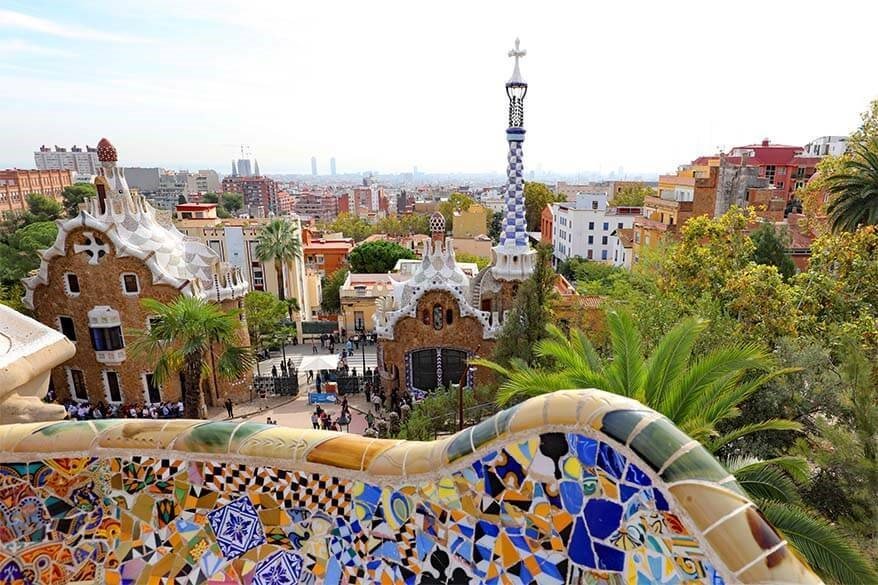
Originally intended as a luxury residential estate, Park Guell became one of the world’s most whimsical public parks. Located on a hill in the Gracia district, it’s a colorful dreamland of curved structures, vibrant tiles, and nature-inspired forms.
At the entrance, visitors are greeted by the famous mosaic salamander, often referred to as “El Drac.” The terrace’s serpentine bench offers panoramic views of the city and the sea. Gaudi’s deep respect for nature is evident in every element of the park, which seamlessly blends architecture with the natural terrain.
3. Casa Batllo – The House of Dreams
On the elegant Passeig de Gracia, Casa Batllo is an architectural fairy tale brought to life. Gaudi transformed this 1877 building in 1904, turning it into a fantastical space inspired by marine life and Catalan legends.
The wavy façade resembles rippling water, while colorful mosaics and skull-shaped balconies add to its otherworldly charm. Inside, lightwells mimic underwater currents, and the roof suggests a dragon’s scaly back—possibly referencing the legend of Saint George. Today, the house offers immersive tours with augmented reality to bring Gaudí’s world to life.
4. Casa Mila (La Pedrera) – The Stone Quarry
Nicknamed La Pedrera for its rugged, stone-like appearance, Casa Mila was Gaudí’s final residential building. Completed in 1912, it’s notable for its undulating façade and wrought-iron balconies that seem to grow organically from the stone.
Inside, the design prioritizes natural light and ventilation—well ahead of its time. The rooftop, with its surreal chimney sculptures, is among the most photographed spots in Barcelona. The attic museum provides a deep dive into Gaudí’s models, methods, and material innovations.
5. Palau Guell – Gaudi’s Early Urban Experiment
Located near La Rambla, Palau Guell was built in the 1880s for Gaudi’s patron, Eusebi Guell. Though less flamboyant than his later works, it’s a key milestone in his development.
This mansion cleverly integrates Gothic and Oriental elements with innovative design solutions, including a unique system of natural ventilation. Inside, a dramatic parabolic dome and luxurious materials reflect both function and form. The rooftop boasts colorful chimney stacks—early examples of Gaudí’s sculptural approach to even the most mundane parts of a building.
6. Casa Vicens – The Starting Point
Casa Vicens was Gaudi’s first major commission and a preview of the brilliance to come. Built between 1883 and 1885, this summer home for a wealthy tile manufacturer is located in the Gràcia neighborhood.
It’s distinctly different from his later organic style, incorporating Moorish and Oriental influences with checkerboard patterns, bright tiles, and floral motifs. The house was a bold departure from traditional design at the time, laying the foundation for Modernisme in Catalonia. After years as a private home, it opened to the public in 2017.
7. Colonia Guell – A Hidden Gem Outside the City
Just outside Barcelona in Santa Coloma de Cervello, Colonia Guell is a lesser-known but profoundly important Gaudi site. This former industrial village houses a crypt, which served as a testing ground for structural techniques later used in Sagrada Família.
The church’s tilted columns, warped arches, and stained-glass windows show Gaudi at his most experimental. It’s a peaceful, crowd-free spot where visitors can appreciate his genius away from the tourist buzz.
8. Torre Bellesguard – Medieval Inspiration Meets Modernism
Inspired by medieval castles, Torre Bellesguard is one of Gaudi’s lesser-visited works, yet it’s rich in both history and design. Built on the site of a former residence of a Catalan king, the structure incorporates Gothic elements with Modernist innovation.
The building’s angular lines and mosaic detailing reflect a more restrained side of Gaudi, while the panoramic views from the tower offer a unique perspective on Barcelona. Because it’s not on most tourists’ radar, it’s an ideal stop for Gaudi fans looking to go deeper.
9. Gaudi House Museum – A Glimpse into His Life
Situated inside Park Guell, the Gaudi House Museum was where the architect lived from 1906 to 1925. Though not designed by him, the house reflects his personal taste and features original furniture, drawings, and models.
The museum provides an intimate look into Gaudi’s daily life and mindset, offering valuable context for understanding his broader body of work. The surrounding gardens and park add to the contemplative atmosphere.
10. GaudiExhibition Center – Understand the Genius
Located next to the Barcelona Cathedral, the Gaudi Exhibition Center (also known as Gaudi Experiencia) is an interactive museum dedicated to understanding the methods and inspirations behind his architecture.
Using models, digital installations, and VR experiences, the center explains Gaudi’s use of geometry, nature, and faith in his designs. It’s a perfect starting or finishing point for a deeper appreciation of his creative legacy.
Where to stay in Barcelona
1. Gothic Quarter (Barri Gotic) – Best for First-Time Visitors
Stay here if you want to be in the heart of the old city, surrounded by narrow medieval streets, plazas, tapas bars, and major sights like the Barcelona Cathedral and La Rambla.
- Pros: Central, historic charm, walkable
- Cons: Can be noisy and crowded
- Recommended Hotels: Hotel Neri, Petit Palace Boqueria Garden
2. Eixample – Best for Architecture and Shopping
This elegant grid-like neighborhood is known for its wide boulevards, Gaudi masterpieces (like Casa Batllo), and upscale shops along Passeig de Gracia.
- Pros: Safe, stylish, close to modernist landmarks
- Cons: Less “old town” atmosphere
- Recommended Hotels: Majestic Hotel & Spa, Hotel Praktik Bakery
3. El Born – Best for Arts and Culture Lovers
A trendy area full of galleries, boutique shops, and cozy wine bars, near attractions like the Picasso Museum and Santa Maria del Mar.
- Pros: Artsy, central, great nightlife
- Cons: Some streets can be touristy
- Recommended Hotels: Hotel Rec Barcelona, Chic & Basic Born
Things to do in Barcelona
1. Visit the Sagrada Familia
Gaudi’s unfinished basilica is Barcelona’s most iconic landmark. Its intricate façades and forest-like interior are awe-inspiring — book tickets in advance!
2. Explore Park Guell
Wander through Gaudi’s colorful park filled with mosaic benches, whimsical buildings, and panoramic views of the city.
3. Stroll down La Rambla
Barcelona’s most famous street stretches from Plaça de Catalunya to the waterfront. Enjoy street performers, cafes, and a quick stop at La Boqueria Market.
Day trip from Barcelona
1. Montserrat – Mountain Monastery & Scenic Views
- Travel time: ~1.5 hours by train
- Visit the famous Benedictine monastery nestled in dramatic rock formations. Ride the funicular, hike trails, and hear the boys’ choir perform at the basilica.
2. Sitges – Seaside Charm
- Travel time: ~40 minutes by train
- A vibrant beach town known for its art scene, whitewashed streets, and relaxed vibe. Ideal for sunbathing, boutique shopping, and waterfront dining.
3. Girona – Medieval Beauty & Game of Thrones Backdrop
- Travel time: ~1.5 hours by train (40 min by high-speed)
- Stroll through cobblestone streets, climb the old city walls, and visit its impressive Jewish Quarter and Arab baths.