
Introduction
Australia is a vast island continent located in the Southern Hemisphere, known for its diverse landscapes, unique wildlife, and multicultural cities. It is the world’s sixth-largest country by land area, featuring everything from tropical rainforests and arid deserts to pristine beaches and modern urban centers. Famous for landmarks such as the Sydney Opera House, the Great Barrier Reef, and Uluru, Australia is a popular destination for nature lovers, adventure seekers, and cultural explorers.
- Welcome to K’gari – Paradise on Earth
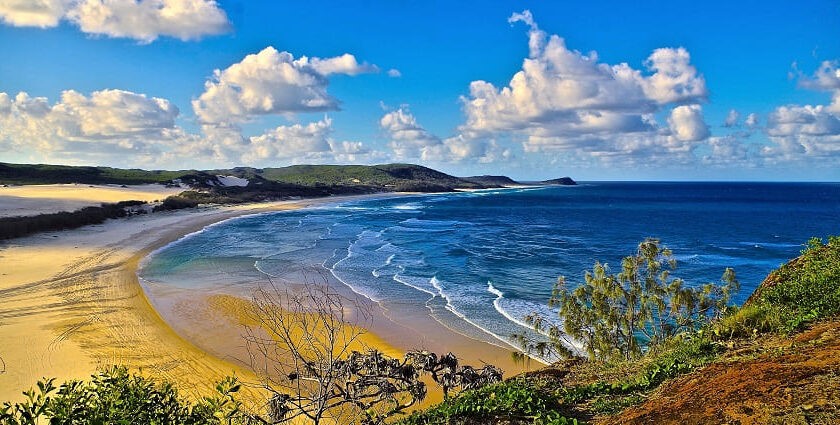
Known by its Indigenous name K’gari, meaning “paradise,” Fraser Island is a World Heritage-listed wonder off the coast of Queensland, Australia. As the world’s largest sand island, it spans over 120 kilometers in length and is home to lush rainforests, freshwater lakes, towering dunes, and long stretches of beach. Exploring Fraser Island offers a rare chance to experience nature in its raw and untouched form. It’s not just a destination—it’s an adventure that speaks to your sense of wonder. - Driving the Iconic 75 Mile Beach
No trip to Fraser Island is complete without cruising down 75 Mile Beach, the island’s “sand highway.” This remarkable stretch of coastline is more than a scenic drive—it’s the island’s main thoroughfare, airstrip, and access route to some of Fraser’s top attractions. Driving here in a 4WD is an exhilarating experience, but it requires skill and awareness of tide times. Along the way, you’ll pass cliffs, dunes, creeks, and maybe even a dingo or two. - The Crystal Waters of Lake McKenzie
One of Fraser Island’s most photographed sites, Lake McKenzie is a perched lake, meaning it sits above the water table and contains only rainwater. Its crystal-clear, turquoise waters and pure silica sand make it feel like a surreal tropical oasis. The lake is perfect for swimming, sunbathing, or simply relaxing and soaking up the serenity. Because of its unique ecosystem, no fish or aquatic life inhabit the lake, giving it an unmatched clarity and stillness. - Rainforests Growing on Sand
Fraser Island defies logic with its rainforests growing out of sand, a phenomenon found nowhere else in the world. Towering satinay and brush box trees thrive in nutrient-poor conditions thanks to centuries of plant matter accumulation. Walking through the dense forests of Central Station or along the Wanggoolba Creek boardwalk feels like entering a hidden, enchanted world. It’s a testament to the island’s incredible biodiversity and resilience. - The Maheno Shipwreck – A Ghostly Reminder
Beached on 75 Mile Beach since 1935, the Maheno Shipwreck is one of Fraser Island’s most iconic landmarks. Once a luxury passenger liner, the Maheno was being towed to Japan for scrap when it was caught in a cyclone and ran aground. Over the years, the rusting hull has become an eerie and beautiful photo spot. It’s also a stark reminder of the island’s unpredictable weather and wild maritime history. - Champagne Pools – Nature’s Ocean Spa
Just north of Indian Head lie the Champagne Pools, natural rock pools that fill with foaming seawater as waves crash over the rocks. Named for the fizzy, bubbly sensation of the water, these pools offer a safe and fun place to take a dip in the otherwise dangerous surf. They’re the only place on the island where ocean swimming is considered safe, making them a must-visit for anyone wanting a refreshing break from exploring. - Indian Head – Panoramic Island Views
Climb to the top of Indian Head, a rocky headland formed by volcanic activity, for sweeping views of the eastern coastline. From this vantage point, you might spot whales, manta rays, sharks, and dolphins swimming in the waters below. It’s one of the best lookouts on the island and offers a striking contrast between the rugged cliffs and the vast, open sea. The area is also of cultural significance to the Butchulla people, Fraser’s traditional custodians. - Encountering Wild Dingoes
Fraser Island is home to one of the purest populations of Australian dingoes, and seeing one in the wild is a powerful experience. While beautiful and often misunderstood, dingoes are wild animals and should be treated with respect and caution. Visitors are advised not to feed or approach them. Responsible wildlife interaction is a key part of protecting both visitors and the dingoes themselves, ensuring these creatures can thrive in their natural habitat. - Camping and Stargazing under the Milky Way
There’s nothing quite like camping on Fraser Island. Whether you pitch a tent in the sand dunes or stay in a designated campsite, the island offers some of the most memorable stargazing experiences in Australia. With little light pollution, the night sky here comes alive with stars, planets, and the Milky Way stretching from horizon to horizon. Falling asleep to the sounds of the waves and waking up to sunrise over the ocean is an unforgettable part of the Fraser experience. - Sustainable Travel and Cultural Respect
As stunning as Fraser Island is, it’s also fragile. Exploring K’gari responsibly means following Leave No Trace principles, respecting wildlife, staying on marked tracks, and learning about the Butchulla people and their deep connection to the land. The island’s cultural and environmental significance makes it more than just a tourist spot—it’s a living, breathing ecosystem and ancestral home. By traveling thoughtfully, you help preserve this paradise for future generations.
Where to stay in Australia
- Sydney
- Where to stay: Central Business District (CBD), The Rocks, Darling Harbour, Bondi Beach
- Types: Luxury hotels (e.g., Shangri-La), boutique hotels, serviced apartments, budget hostels
- Why: Close to iconic sights like the Sydney Opera House and Harbour Bridge, plus beaches and vibrant nightlife.
- Melbourne
- Where to stay: CBD, Fitzroy, St Kilda, Southbank
- Types: Trendy boutique hotels, stylish apartments, budget hostels, luxury hotels
- Why: Known for art, cafes, laneways, and cultural events, plus proximity to the Great Ocean Road.
- Great Barrier Reef (Cairns, Port Douglas, Airlie Beach)
- Where to stay: Cairns (for reef tours), Port Douglas (luxury and nature), Airlie Beach (gateway to Whitsundays)
- Types: Resorts, eco-lodges, budget hotels, backpacker hostels
- Why: Access to reef snorkeling/diving and tropical rainforests.
Things to do in Australia
- Explore the Great Barrier Reef
Dive or snorkel among vibrant coral reefs and marine life in the world’s largest coral reef system, located off the coast of Queensland.
- Visit Sydney’s Iconic Landmarks
Climb the Sydney Harbour Bridge, tour the Sydney Opera House, and relax at Bondi or Manly Beach.
- Experience the Outback and Uluru
See the stunning red rock monolith Uluru at sunset, learn about Aboriginal culture, and explore the nearby Kata Tjuta rock formations.
Day trip from Australia
From Sydney:
Blue Mountains National Park
Just about 1.5–2 hours west of Sydney, the Blue Mountains offer stunning cliffs, waterfalls, and eucalyptus forests. Highlights include the Three Sisters rock formation, Scenic World rides, and walking trails like the Wentworth Falls track.
From Melbourne:
Phillip Island
Around 90 minutes from Melbourne, Phillip Island is famous for its nightly Penguin Parade, where you can watch little penguins waddle ashore. You’ll also find koalas, beautiful beaches, and the rugged Nobbies coastline.
From Brisbane:
Moreton Island
Just an hour’s ferry ride from Brisbane, Moreton Island is a sand island with amazing snorkelling, sand dunes for tobogganing, and dolphin feeding at Tangalooma Resort.