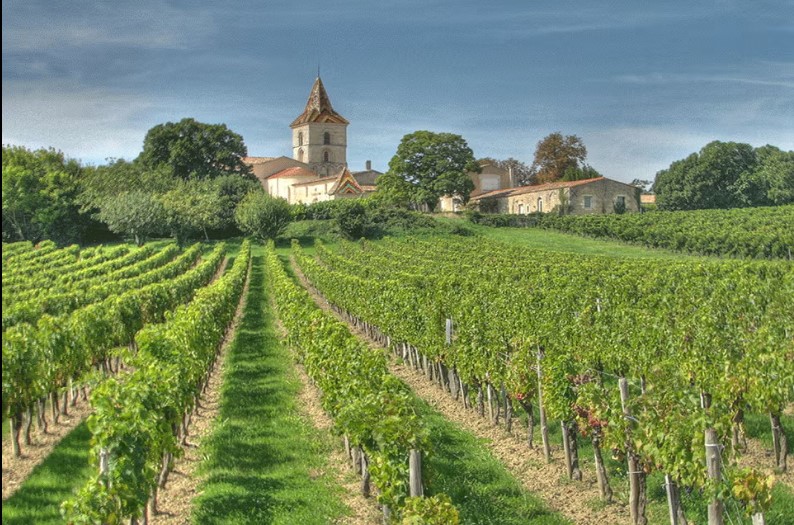

There are few places in the world that capture the romance of winemaking like Bordeaux. Situated in southwestern France, this legendary region is synonymous with world-class wines, centuries of tradition, and a landscape that seems to have been painted by the gods. For wine lovers and curious travelers alike, Bordeaux offers more than just a glass of fine red—it offers an unforgettable journey through charming villages, grand châteaux, rolling vineyards, and a rich cultural tapestry. At Travel Express, we’re here to guide you through the best of Bordeaux’s wine regions and help you sip your way through one of the world’s most iconic wine destinations.
A Brief Introduction to Bordeaux
Bordeaux is often hailed as the wine capital of the world, and for good reason. The region boasts over 120,000 hectares of vineyards and produces around 700 million bottles of wine annually. With roots going back over 2,000 years, Bordeaux’s wine history is woven into the very soil of the region. Divided by the Garonne and Dordogne rivers, the geography and climate provide ideal conditions for grape growing. The region is particularly famous for blends, with Cabernet Sauvignon, Merlot, and Cabernet Franc leading the reds, while Sauvignon Blanc and Sémillon dominate the whites.
But Bordeaux is more than just wine. It’s about tradition, passion, and terroir—a French term that reflects the unique environmental factors that influence a wine’s character. In Bordeaux, terroir isn’t just a concept; it’s a lifestyle.
The Six Main Wine Regions of Bordeaux
Bordeaux is divided into several sub-regions, each with its own personality, specialties, and signature wines. Let’s take a closer look at the six main wine regions:
- Médoc
Located on the Left Bank of the Gironde estuary, the Médoc region is home to some of the most prestigious names in wine, including Château Margaux and Château Lafite Rothschild. The area is divided into two main parts: the northern Médoc and the southern Haut-Médoc.
Must-Visit Appellations:
- Pauillac – Bold, tannic wines and legendary producers.
- Margaux – Elegant and aromatic, with a focus on finesse.
- Saint-Julien & Saint-Estèphe – Complex and age-worthy blends.
Travel Tip: Don’t miss the Route des Châteaux, a scenic drive dotted with grand estates and vineyards.
- Graves and Pessac-Léognan
Moving south of the city of Bordeaux, you’ll find the historic region of Graves. It’s one of the oldest wine-producing areas and the birthplace of Bordeaux’s reputation. The sub-region of Pessac-Léognan was established to highlight the area’s top estates.
Wine Style: Here, you’ll find balanced reds, aromatic dry whites, and the rare sweet white from nearby Sauternes.
Don’t Miss:
- A tour of Château Haut-Brion, one of the original Premier Crus from the 1855 classification.
- The nearby town of Léognan for wine tastings and countryside picnics.
- Saint-Émilion
Located on the Right Bank of the Dordogne River, Saint-Émilion is a UNESCO World Heritage Site and a postcard-perfect medieval town surrounded by vineyards. The wines here are typically Merlot-dominant, softer and more approachable in youth.
Must-See:
- Château Ausone and Château Cheval Blanc, two of the region’s top-rated estates.
- The monolithic church carved into limestone beneath the town.
- Wander the cobblestone streets and enjoy a meal in a wine cave bistro.
Travel Tip: Saint-Émilion is perfect for those who love combining wine with history, art, and small-town charm.
- Pomerol
Just west of Saint-Émilion lies tiny Pomerol, a region without official wine classifications, but one that boasts some of the most expensive and exquisite wines in the world—most famously, Château Pétrus.
Style of Wine: Rich, velvety reds dominated by Merlot, often with incredible aging potential.
Why Visit: Pomerol is more discreet and less touristy than other regions, making it a haven for serious wine aficionados seeking quiet tastings and hidden gems.
- Entre-Deux-Mers
Sandwiched between the Garonne and Dordogne rivers, Entre-Deux-Mers translates to “between two seas.” Known for its white wines, this region is less about grand crus and more about value, scenery, and discovery.
Highlights:
- Crisp, refreshing Sauvignon Blanc-led whites.
- Rustic wine farms and small, family-run estates.
- Biking routes and scenic drives through sleepy countryside villages.
Travel Tip: Visit during a local wine festival to enjoy tastings with local producers and traditional French fare.
- Sauternes and Barsac
These regions are famous for sweet wines that achieve their character through the noble rot (Botrytis cinerea), which concentrates sugars and adds depth to the wine. The result is luscious, golden dessert wines with flavors of honey, apricot, and citrus.
Top Wine: Château d’Yquem, arguably the most celebrated sweet wine in the world.
Experience: Walk through the misty morning vineyards and learn how nature plays an essential role in these extraordinary wines.
Best Time to Visit
The wine regions of Bordeaux are a year-round destination, but your experience will vary depending on the season:
- Spring (April–June): Blossoming vineyards, fewer tourists, and mild weather.
- Summer (July–August): Warm and lively, though busier with tourists.
- Harvest Season (September–October): The most exciting time to visit—grape picking, winemaking in action, and lots of festivals.
- Winter (November–March): Quiet and intimate, with opportunities for in-depth tastings and lower travel costs.
Wine Tasting Tips from Travel Express
- Make Appointments: Especially at famous estates. Many require advance bookings for tours and tastings.
- Don’t Skip the Small Estates: Family-run properties offer personal experiences and often exceptional value.
- Learn the Vocabulary: Understand terms like “Cru,” “Château,” “Appellation,” and “Terroir” to deepen your appreciation.
- Pace Yourself: Bordeaux wines can be powerful. Limit your visits to 2–3 wineries per day.
- Bring a Notebook or Use an App: Record your favorites—many are hard to remember after the third tasting!
Cultural and Culinary Delights
Wine is just the beginning. Bordeaux is a gastronomic paradise that pairs beautifully with the region’s wines.
- Local Specialties: Duck confit, entrecôte à la bordelaise (steak in red wine sauce), canelés (caramelized pastries), and oysters from Arcachon Bay.
- Food & Wine Pairings: Many wineries offer gourmet pairing experiences or host Michelin-starred restaurants on site.
- Markets to Explore: Don’t miss Marché des Capucins in the city of Bordeaux for a taste of local ingredients and delicacies.
How to Get Around
- By Car: The most flexible option. A rental car allows you to explore off-the-beaten-path estates and enjoy scenic routes.
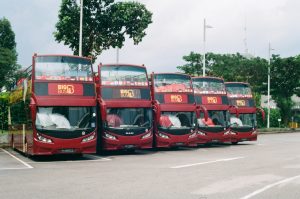
- Wine Tours: Plenty of group and private tours operate from Bordeaux city, perfect for stress-free tasting days.
- By Bike: Particularly popular in Entre-Deux-Mers and Saint-Émilion—cycle through vineyards with wine stops along the way.
Where to Stay
- Luxury: Stay in a château like Les Sources de Caudalie near Pessac-Léognan for spa indulgence and vineyard views.
- Boutique Hotels: Cozy, historic inns in Saint-Émilion or Bordeaux city center.
- Budget Options: Gîtes (vacation rentals) in rural areas offer charm and value for longer stays.