
Introduction
Greenland is the world’s largest island, located between the Arctic and Atlantic Oceans, northeast of Canada. It is an autonomous territory within the Kingdom of Denmark. Known for its vast ice sheet, rugged mountains, and Arctic climate, Greenland is sparsely populated with a rich Inuit culture. The island is famous for its stunning natural landscapes, including glaciers, fjords, and wildlife like polar bears and whales. It offers unique opportunities for adventure tourism and scientific research in the Arctic region.
- Introduction to Ilulissat Icefjord
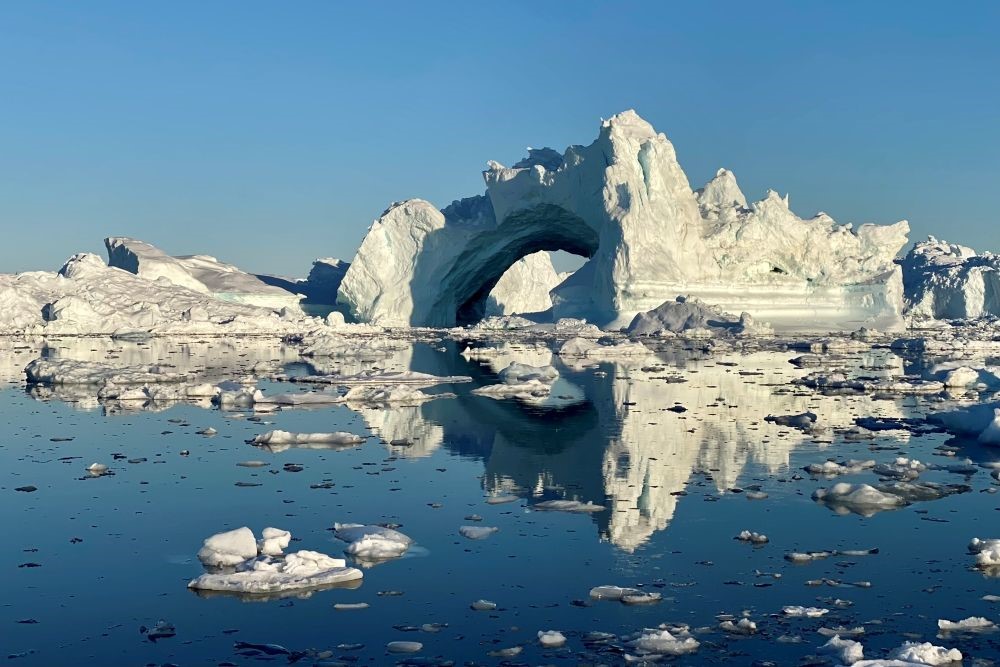
The Ilulissat Icefjord, located on the west coast of Greenland, is one of the most spectacular natural wonders in the Arctic. Declared a UNESCO World Heritage site in 2004, the fjord stretches over 40 kilometers from the massive Sermeq Kujalleq glacier to Disko Bay. This glacier is one of the fastest and most active in the world, producing around 20 billion tons of icebergs each year. The Icefjord’s stunning landscape of towering icebergs, crystal-clear waters, and rugged cliffs offers visitors a glimpse into the raw power and beauty of nature. - The Importance of Sermeq Kujalleq Glacier
Central to the Ilulissat Icefjord is the Sermeq Kujalleq glacier, which is Greenland’s largest and most productive glacier. It is a critical indicator of climate change, as its speed and melting rate reflect rising global temperatures. The glacier calves massive chunks of ice that break off and float down the fjord, creating a dynamic and ever-changing icy seascape. Scientists closely monitor Sermeq Kujalleq to understand the impacts of climate change on polar ice sheets and global sea levels. - Unique Arctic Landscape
The Icefjord is characterized by dramatic natural features: immense icebergs that rise like skyscrapers from the icy water, deep blue fjord waters, and snow-capped mountains framing the scene. This stark, pristine environment is both harsh and breathtaking. The contrast between the deep blues of the ice and water and the white snow creates a surreal visual spectacle. Photographers and nature lovers flock here for its unique beauty, which is unlike any other place on Earth. - Exploring on Foot – Hiking Trails
One of the best ways to experience the Ilulissat Icefjord is on foot. Well-marked hiking trails lead to viewpoints overlooking the fjord and its drifting icebergs. Trails such as the hike to Sermermiut, an ancient Inuit settlement site, offer both cultural insight and natural beauty. These hikes provide panoramic views of the glacier and icefjord and opportunities to spot Arctic wildlife. Walking here allows visitors to immerse themselves in the silence and grandeur of the Arctic wilderness. - Boat Tours Among Icebergs
For a closer encounter with the icebergs, boat tours are popular and highly recommended. Small boats navigate through the fjord, allowing visitors to admire the icebergs up close and hear the thunderous cracking sounds as chunks of ice fall from the glacier. These tours offer a unique perspective on the scale and power of the glacier and provide excellent opportunities for photography and wildlife spotting, including seals and seabirds. - The Northern Lights Experience
Visiting Ilulissat in winter provides a chance to witness the magical northern lights, or Aurora Borealis. The Icefjord’s remote location, clear skies, and minimal light pollution create ideal conditions for this natural light show. The swirling colors of green, pink, and purple dancing above the icy fjord offer an unforgettable experience, adding a mystical dimension to the Arctic adventure. - Wildlife Around the Icefjord
The Ilulissat Icefjord area is home to a variety of Arctic wildlife. Visitors may see seals basking on the icebergs, whales swimming in the fjord waters, and a variety of seabirds including Arctic terns and gulls. In the surrounding tundra, Arctic foxes and reindeer roam. This biodiversity is remarkable considering the harsh climate and highlights the ecological importance of this region. - Inuit Culture and History
The region around Ilulissat is inhabited by Greenlandic Inuit, who have lived here for thousands of years. The nearby settlement of Ilulissat is a vibrant town with rich cultural traditions, blending modern life with deep respect for the environment. Visitors can learn about Inuit history, traditional hunting methods, and the significance of the Icefjord in local folklore. Museums and guided tours offer insights into how the Inuit have adapted to and thrived in this extreme environment. - Sustainable Tourism and Conservation Efforts
Due to its environmental sensitivity, the Ilulissat Icefjord is managed with a strong focus on sustainability. Conservation efforts aim to protect the unique ecosystem while allowing visitors to experience its beauty responsibly. Tour operators emphasize eco-friendly practices, and local regulations help minimize human impact. Sustainable tourism ensures that future generations can continue to enjoy and learn from this Arctic wonder. - Planning Your Visit
Visiting Ilulissat Icefjord requires some planning due to its remote location. The best time to go is during the summer months (June to August) for milder weather and extended daylight, or in winter for the northern lights. Flights connect Ilulissat with Reykjavik and other Greenlandic towns. Accommodations range from cozy guesthouses to small hotels. Guided tours, boat trips, and hiking excursions can be booked locally or in advance. Proper clothing and gear are essential to stay comfortable in the Arctic climate.
Where to stay in Greenland
- Ilulissat
As one of Greenland’s most visited towns, Ilulissat offers several accommodation options ranging from cozy guesthouses to mid-range hotels. Many lodgings are located close to the Ilulissat Icefjord, providing easy access to hiking trails and boat tours. Popular choices include Hotel Arctic (luxury), Hotel Ilulissat (mid-range), and smaller guesthouses and hostels for budget travelers. Booking early is recommended, especially during peak tourist season.
- Nuuk
The capital of Greenland, Nuuk, offers a wider range of accommodations including hotels, guesthouses, and serviced apartments. Staying here provides urban amenities alongside cultural experiences like museums and local dining. Hotel Hans Egede is a popular upscale choice, while more modest guesthouses cater to budget travelers.
- Kangerlussuaq
Kangerlussuaq is often the entry point for many visitors flying into Greenland. It’s known for its proximity to the ice sheet and good hiking trails. Accommodation is limited but comfortable, with a few hotels and lodges available, such as Hotel Kangerlussuaq. Staying here is convenient for glacier tours.
Things to do in Greenland
- Explore Ilulissat Icefjord
Witness the majestic icebergs calving from the Sermeq Kujalleq glacier, hike along scenic trails, or take a boat tour to see the floating giants up close.
- Go Dog Sledding
Experience traditional Arctic travel by dog sled across snowy landscapes—available mostly in winter, this is a thrilling and authentic way to explore Greenland’s wilderness.
- See the Northern Lights (Aurora Borealis)
From late autumn to early spring, the northern lights light up Greenland’s skies with vibrant colors—best viewed in remote areas like Ilulissat, Kangerlussuaq, or Tasiilaq.
Day trip from Greenland
- Day Trip to Ilulissat Icefjord (from Ilulissat)
One of the best and most accessible day trips is a visit to the Ilulissat Icefjord. You can hike the well-marked trails leading to breathtaking viewpoints or take a boat tour to see massive icebergs floating in the fjord. The trip combines stunning scenery and unique Arctic wildlife viewing.
- Glacier Tour from Kangerlussuaq
Kangerlussuaq offers easy access to the Greenland Ice Sheet. Join a guided day trip to the edge of the ice sheet for glacier trekking or ice cap sightseeing. This is a fantastic way to experience Greenland’s iconic ice landscapes without long travel.
- Nuuk City and Surroundings Tour
From Nuuk, you can take a half- or full-day tour exploring the city’s cultural highlights, including museums and local markets. Some tours also go beyond the city to nearby fjords and hiking spots, giving you a taste of Greenland’s natural beauty.